Episode 374 · February 18, 2026 · 22:57
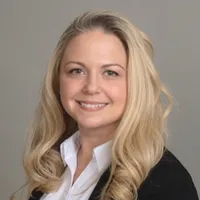
Kelly Costanza
Chief People Officer, CAVA
Beyond Benefits: Why a Full Human Experience Drives Business Success
Episode 374 · February 18, 2026 · 22:57
Beyond Benefits: Why a Full Human Experience Drives Business Success
Key moments
In Kelly's words
“We believe and bringing heart, health, and humanity to food. And the only way we do that is through doing that for our people.”
“Generosity first, always... we actually live it in all the programs we create. The way we communicate with each other, our recognition programs are really designed around our values.”
“after the pandemic, the idea is that people are going to companies for their entire life to be better, for the full scope of their human needs to be met.”
Transcript
Read the transcript4,141 words
HostWelcome to the Built by People Podcast, where we share the stories and insights of the world's top executive leaders. Join us as we dive deep into the minds of executives, uncovering their strategies, challenges, and triumphs in shaping today's workforce. Now, let's jump in and get started with our next guest. I'm excited to welcome Kelly to the Built by People podcast. Kelly, thank you so much for joining us today. For those who might not know your story, what brought you into the people leadership space and what eventually led you to Cava?
GuestYeah. It's nice to be here, and thank you for having me, Dave. I will tell you that I'm a big believer that our first jobs bring us into our careers. And so, I'll tell you that my first job was working as a sales associate for a company or a brand called The Limited. It's part of Limited Brands, and some people are familiar with it. Some may not be anymore, but I remember having that first job and learning about the importance of of the guest experience, learning about the importance of learning how to, to do the, the tasks that make the guest experience the most important thing. So everything from learning how to ring the register, waiting on guests in fitting rooms, cleaning, you name it. And so that led me into another role as a server at Red Lobster, learned how to wait tables and, and be really focused on the guest experience in a different way in restaurants. My first opportunity out of college was in a management program with a company called Lazarus, and they're no longer in existence, but most people are familiar with Federated Department Stores or Macy's, which is the department store that's, that everyone's familiar with. And so, had a great management training program, a great opportunity to learn about what it means to be a leader. That led me into other opportunities in different forms of human resources. So, my first job in human resources was as a recruiter for American Eagle Outfitters, and that was in 1999. And I learned the different functions within the HR function and grew up there and had some great opportunities to learn the different parts of everything from recruiting to org design, training and development, benefits, compensation, you name it. And then really had an opportunity to take different paths. But ultimately in 2020, I had a phone call about Kava and came to meet our CEO, who was really impressive. And the origin story for Kava is really what drew me to Kava. And I'm just so thankful to be part of a brand that has the same values that I have and excited to continue sharing more about the Kava story and what it is that we do to really bring heart health and humanity to team members, because that's ultimately our focus. We believe and bringing heart, health, and humanity to food. And the only way we do that is through doing that for our people.
HostThanks for that great introduction, Kelly. Cava's obviously grown extraordinarily quickly. What are some of the cultural principles that have stayed constant through that growth?
GuestYeah, I think that our story and our values are what have stayed constant. So not everybody knows this, but Cava started from our, our founders, our 3 friends who came together because they wanted to give their parents a better life. And they will tell the story, and they've told the story many times, but they experienced watching their parents as immigrants grow up in restaurants making $1 an hour, sometimes not getting paid at all. And the idea and the foundation for Cava and creating it was to create a restaurant that offered our delicious Mediterranean cuisine and at the same time gave their parents a career. So the foundation of Cava is about giving people an opportunity to have a career. And that value has stayed the same. Our value and our value system, we have 5 values, and the first one is generosity first, always. And that has been consistent from the beginning. And so I would say along with that and our other 4 values, we are a value-centered organization. And that is something that I know a lot of companies say, but they don't necessarily practice it. Some put it on a poster, you know, they put it on a wall and say, these are our values, but we actually live it in all the programs we create. The way we communicate with each other, our recognition programs are really designed around our values, and I think that's something that is special about us.
HostKelly, I'm curious, take for example, generosity as a cultural value. How does that show up in the workplace? And could you give me like an example of maybe you or another worker at Cava who might illustrate that in a way that aligns with how the organization wants folks to be operating?
GuestYes, in many ways. So generosity is the center, or the, the first value that we talk about is also woven into our employee value proposition. So we use something called the Human Deal Framework, which is something that Gartner created shortly after the pandemic. And the idea is, after the pandemic, was that people before the pandemic, they went to work because they would get a better job, or they wanted to have a better job or a different career. And after the pandemic, the idea is that people are going to companies for their entire life to be better, for the full scope of their human needs to be met. Where before it was, I want to go to this workplace to have my career needs met, now it's important that you look at what are the full scope of human needs. And so we do that in all the programs we create. We think about what's the full scope of human needs. And those are things like flexibility, personal growth, shared purpose, holistic well-being. People want to have deeper connections with the people that they work with. Some specific examples within that we have, and we noticed this actually during the pandemic, we anticipated that there would be a real crisis in mental health. And so we were one of the first to come on the scene and offer mental health benefits to all of our team members and their immediate family members. So anyone who lives in your household can also get mental health benefits. And so that's something that we put in place as a program to show up with generosity. We also are completely focused on offering people career paths. And so how do they do that? We come out with and we show them, OK, here are the paths that you can take either within a function and moving up the ladder, so to speak, or across the ladder into different departments. And then we're also looking at our compensation and how we approach compensation regularly. So that's our frontline workers, our team members in Cava Foods and the support center. One of the most recent Generosity First Always programs that we launched was our general managers that run our restaurants are now going to be eligible for our annual stock grant. And that is something that not all companies consider, or sometimes they save those programs for director and above or VP and above. But we have the annual stock program for any team member in the support center, and then we just rolled it out to general managers. So we're really proud of that as well.
HostKelly, you've been a frontline worker as evidenced by your experience at Red Lobster, and you talked about the important role that the guest experience plays. As a frontline worker, what are you most proud of in how Cava invests in frontline talent?
GuestYeah, I do think that one of the things that we do, as I mentioned in terms of career paths, is very deliberate. And so we launched a program called Flavor Your Future, and that Flavor Your Future platform is centered around the different careers that you can grow through. And most recently, we added a position within our restaurants called our AGM, or Assistant General Manager, so we could give another role for people to step into before they stepped into that general manager position. There's very specific programs for people to get to something called an Academy GM program or position. So you can become an Academy GM, which is the best of our best, and they train other general managers. So that's another role that we put in place a few years ago that people are eligible to grow into. So the training initiatives that we have in place are some of the most proud. And like I said, we also look at hourly compensation on a quarterly basis and make sure that we're paying our hourly team members competitively. And so that's something that's also something I would say we're really proud of.
HostKelly, how do you approach career pathways and mobility, especially for, frontline workers who may be starting out as hourly but have longer-term ambition to get into a management role?
GuestYeah, there's a lot of communication that we do. There's a lot of sharing of opportunities in our weekly communication tools that we have. We have a Grow with Cava communication center in the back of our restaurants on our communication board. In addition to celebrating people for the values. We have a values recognition program, and on our communication board, we post recognition for those values for anyone who's celebrated by either a peer or their leader. But we also communicate the opportunities in restaurant through our Kava U platform. So team members can go onto Kava U at any time and see those opportunities. And then we also have a Kava Connect, an annual Kava Connect conference. Where we bring people together, celebrate, and also do a ton of recognition and show people, here are some examples of people who have come through the program. These are the people who you can look to, you can celebrate, you can talk to. And we're really proud of that annual Kava Connect as well, because we do so much recognition for those who have grown within the system. So we make recognition for growth and development something else. It's just woven into the culture.
HostSo 5 years ago, leadership looked a little bit different, especially in the restaurant industry. You were going through COVID and Cava's grown significantly as a business. So there's a lot of change management required to drive leadership in the organization forward. What does effective leadership look like in the restaurant environment today compared to 5 years ago?
GuestYes, we, rolled out, I would say 5 years ago, actually, we rolled out competencies within our system. So we have something called our MVC, our mission, values, and competencies. And so, as I mentioned, our mission is to bring heart, health, and humanity to food. We have 5 values that we live through. Generosity first, always is one, but constant curiosity is another, passion for positivity. And then we have 7 competencies that we said, in order for all of us to be successful, these 7 competencies are what will make you successful at Cava. So everybody is clear about what those behaviors are. So they're everything from service mindset to diversity cultivation, enterprise leadership. One of the most specific competencies, to answer your question around what's different, is emotional resilience. I think there's an opportunity, not just for emotional resilience, but resilience in today's world, I think is different. And it's different depending on the level in which you operate. So, Those 7 competencies are the same across the board for anyone. So an executive, a frontline team member in a restaurant, somebody working at Cava Foods. However, depending on your level, the behaviors underneath those competencies change. So I'm expected, for example, as an executive, to model those behaviors, to train people on them, and to, you know, to set the tone across different departments, not just lead as an example for my own team, but for other teams as well. Whereas somebody serving the guest in the restaurant for service mindset would be expected to show generosity to the guest, to engage with them with a friendly smile. And so their service mindset definition will look different than mine. We also have something in our restaurants called the love button. So they can give away 4 free meals a day in our restaurants. So if a team member sees somebody struggling or they see someone who maybe they're just curious and they It's their first time at Cava and they don't know the menu, they can give them a free meal by using the love button. So that is very specifically stated within our competency cards. And we have, um, very clear in the restaurants, here is what using the competency looks like and here's what it doesn't look like if you're not doing it well. And so it was really important to us to be very clear about what does it mean to be successful, not just in today's world or post-pandemic, but at Cava, because every company has different behaviors that will make someone successful., right? And they have to decide which ones matter most for their enterprise.
HostKelly, I love the competency model that you put into practice 5 years ago. I'm curious how you're measuring, monitoring, and evaluating that competency model against the workforce to ensure that they're living up to those standards. And are there any signals that you're looking for outside of that competency model to identify someone who is living up to those values or has high leadership potential inside of the organization.
GuestYeah, we have something called impact plans. And so everyone has the opportunity to build an impact plan. They have quantitative goals, they have development goals and competency goals in them. And so the competencies and behaviors, we say, you know, doing your job, your job description is what you do, right? Your competencies are how you do it, and both are equally important. So we actually have competency goals along with the, the other goals for the business in someone's impact plan. And so there's a complete connection there because that is also tied to your performance at the end of the year. How did you perform on your impact plan? And that is tied to your bonus payout. And so how you perform, even in those behaviors, impacts your bonus payout. And not all organizations have that. Some have really just the financial results. That determine the payout for your bonus at the end of the year, but we use the competencies as well inside the impact plan to, to be a part of that determination. And then, to the other part of your question, we have a succession planning process where we evaluate, we have something called a talent profile where you can see someone's career history, you can see their development goals, you can see the competencies they're working on, or the competencies that they excel in, and we quarterly sit down and we talk about the talent in our enterprise. How are they performing? Who's up for promotion or development next? So we spend a lot of time in the competencies talking about, okay, this individual is still going to work on this. They're ready or they're not ready, but they're, they're woven into what I call the full talent life cycle. So we also have behavioral interview guides where the competencies are used to determine if we're going to hire someone, right? So we, we have this interview guide that guides us to say, does somebody excel in enterprise leadership? And then if you think about that talent lifecycle, they're in the impact plan, they're part of succession planning, and they're part of our training program. So we have a competency champion training initiative where we find people who excel in the competencies and they get to train their gardens. We have a train-the-trainer program called CCT, Competency Champion Trainers, and they get to make sure that everyone in their garden is living the competencies. So we have embedded them into the full lifecycle of talent.
HostKelly, I want to switch gears and talk a little bit about the future of work and tech. Where is technology actually helping your teams today, and where do you think it's being overhyped?
GuestI think that's the question of the moment, isn't it, for organizations, especially with the introduction and the, uh, the conversation around AI especially. And I've had some conversations with other individuals about this topic. I think where technology can be most useful to us is when it can help us with productivity. And so where could we get answers more quickly? Work potentially change because we have technology available to us to help do the work for us. I think where it can be overhyped is when we think about it potentially replacing human connection because nothing replaces human connection. And I think we're seeing that there are some brands that have talked about the return to human connection. Kava has always been a place that has centered around human connection and the importance of it. We like to say that we believe technology is here to enhance the human connection or enhance the human experience, but not replace it. And so I think organizations that have tested different technology solutions that have replaced a person or replaced interacting with another person have found that it's maybe not the right solution, or maybe there's a hybrid approach. And some people are testing that right now and figuring that out. But I do think that is where we should just be cautious. We should think about, is this the place? Where do you want a human to solve a need still? And where do you want tech to solve a need? And be very intentional about answering those questions.
HostKelly, are you seeing employees at Cava bringing new expectations to their own employee experience? And if so, how is the organization adapting to those?
GuestThe expectations that they're bringing to the work are those that I mentioned under this post-pandemic. I want to have a full human experience at work. I want the, I want the company to solve my full scope of human needs. And I think a lot of it goes back to the question that you just asked me around human connection. People want to connect with people. They are desperate to reconnect with people. I think that social media has had an impact on that as well. I do think that people are finding that, and certain generations are are saying goodbye to social media. They're, they're getting off their phones or reconnecting with humans, with nature. And you should see when we organize certain giving activities, we had an MLK Day of Service a couple of weeks ago, and the amount of people that volunteer to come together and want to participate in those programs that we offer, we offer time off for volunteering as well. And so that's something we had that in place before the pandemic, but it is something that matters to people when they're considering considering your company. So not just for the people who work for Cava already, but for those who are considering coming to Cava, they want to know, is my experience at Cava going to fulfill those human connection needs? And what do you have in place to create that human connection? So that is something I do think team members and potential team members are looking for.
HostKelly, if you could wave a magic wand and fix one systematic people challenge in the restaurant industry, What would it be and why?
GuestWell, that is a great question. I don't know if anyone's ever asked me that, but it's, it's funny because we ask our team members that all the time. So the executive team, we do executive visits to our restaurants and we also do something called, we have a program called Partners in Service. And under that Partners in Service umbrella, we have a program called Center at the Source. And the sister program to that is called Shoulder to Shoulder. And so everyone in the support center is required every quarter to put on a Cava uniform, go to the restaurants. And work the line or do prep and serve the guest. And so in that shoulder-to-shoulder experience, we will ask our team members the same question that you just asked me. If we could wave a magic wand for you, what would it be? What could we do to solve the challenges that you face? And then in that Center at the Source program, we bring team members from the restaurants into the support center quarterly in every town hall. We celebrate them and we recognize them in front of everyone at the town halls. And they get to talk to the executive team and tell us here's what's working and here's what's not working and here's what we want you to know. And so we do spend a lot of time asking that question ourselves. I would say, if I could wave that magic wand and what we hear most often is that our team members want a balance of automation, but still having that human connection. So anything that we can do to make the experience easier for them. So we've done things in the past, like, because we are so centered on having an incredible culinary experience, our guests have come to love the flavors that we offer at Cava. And some of that comes from the prep that we do. We used to cut every red onion. And so our team members said to us, is there anything you can do to simplify that? So now they get pre-cut onions. And so that takes time though. We have to make sure we're not risking the delicious flavor and the experience that our guests have. And so we spend a lot of time on making sure that that automation still has the same great Cava experience. But I would say that I would wave a magic wand, not just for Cava team members, but for team members in the restaurant space to have that right balance of are we making things easier for them to serve the guest? Ultimately, the goal for all restaurants, I believe, is to have this great guest experience. We want to please our guests. We want them to feel like they came to our restaurant and they've got a great experience, not just delicious food, but a great guest interaction with a team member. And I think the way that we can do that is by making it easier for our team members to have a great workplace experience. They then can in turn give that great guest experience. So I would wave a magic wand by saying, let's give everybody what they need in order to make their lives as easy as they can be in the workplace so that they can then in turn give that great guest experience.
HostKelly, what parting advice would you like to give to people leaders or employees just trying to support fast-growing frontline-heavy organizations?
GuestI think when you're a fast growth, you can have so many initiatives in front of you that are, are well-intentioned and are for the good of the company. And you should continue to talk to your team members. Don't forget to work on that frontline, to interact with the guest, to make sure that you're staying connected. To your team members and what their workplace experience is like. You can, you can easily stop doing those shoulder-to-shoulders. You can easily start focusing on your big company project initiatives. But I think the most important thing you can do is stay connected to your team members, stay connected to your guests. And the only way to do that is to go and meet them where they are and talk to them and listen, really listen. What are they telling you that they would like to have changed? And can you make it happen so that you can create that great team member experience we just talked about?
HostKelly, thank you so much for joining us today on the Built by People podcast. It was a pleasure to have you involved.
GuestThank you for having me, Dave.
More conversations like this