
Lucy Avsharyan
VP of Benefits
United Talent Agency
The Hidden Power of HR: Benefits That Build Loyalty and Transform Lives
Thesis
“HR professionals possess the profound ability to transform lives by advocating for and implementing empathetic, strategically-aligned benefits programs that are framed as investments rather than expenses, ultimately fostering talent loyalty and a supportive workplace culture.”
What you'll take away
- 01Frame family support benefits as a strategic investment tied to broader business goals like attracting and retaining top talent, rather than just an expense.
- 02Secure executive buy-in by using a mix of storytelling, data (industry benchmarks, internal data), and strategic relationship building with supportive C-suite members.
- 03Implement change incrementally, starting with guides or practices that evolve into company-backed benefits, rather than immediately pushing formal policies.
- 04Design policies with empathy and accessibility in mind, actively soliciting employee feedback and adapting programs based on real-world impact and personal experiences.
- 05HR professionals have the power to change lives by moving beyond compliance, focusing on genuine support, and advocating for employees even in financially constrained environments.

What most organizations get wrong
- Instead of starting with a formal policy for new benefits, create a guide that evolves into a practice and then a company-backed benefit over time (6:30).
- Design benefits policies not just to be available, but truly accessible, recognizing that a benefit on paper doesn't equal real support if it's too difficult to use (9:20).
- Even when facing financial constraints, HR professionals should get creative and push for benefits enhancements, as many impactful changes don't require large budgets (10:48).
In Lucy's words
“I always knew I wanted to return to entertainment, so eventually I found my way to UTA, the talent agency, and 8 years later, it has been the most challenging and rewarding role of my career.”
Highlights her personal dedication to her career path and the fulfillment she finds in her role.
“I framed the family support benefits as a strategic investment and not just an expense.”
This quote encapsulates her core strategy for gaining C-suite approval for HR initiatives.
“I've had employees, like both men and women, tell me they've stayed at UTA because they want to start a family one day and don't want to miss out on our benefits.”
Provides tangible evidence of the direct impact of comprehensive benefits on employee loyalty and retention.
“You have to be strategic about how you introduce change. I wouldn't even start with a formal policy. I'd create a guide. Which would evolve into a practice, and then over time become a company-backed benefit.”
Offers practical and nuanced advice on how to successfully implement new HR programs and policies.
“Trying to conceive is an emotional, financial, and physical rollercoaster. It's what I always say to everyone. So I always approach these conversations with care, and I share my experience right away to help them feel empowered to open up if they need that support.”
Demonstrates the crucial role of empathy and personal connection in providing effective HR support for sensitive topics.
“HR professionals do really have the power to change lives, but you have to be willing to do the work to make that impact.”
A powerful statement emphasizing the significant potential and responsibility of HR roles beyond administrative tasks.
The problems this episode addresses
- Companies losing top female talent after maternity leave or at career midpoint due to insufficient family support.
- Employees facing prohibitively high costs for fertility treatments, egg freezing, surrogacy, and adoption.
- New parents needing comprehensive support for childcare, mental health, and daily essentials like diapers.
- Managers lacking clear guidance on how to effectively support employees during family leave.
- Employees delaying personal family plans due to waiting periods for benefits coverage.
- The perception of HR being solely focused on compliance and 'check-the-box' solutions, rather than genuine people support.
In this episode
Built by People podcast features insights from world's top HR leaders
Built by People
You have a business degree in HR. Tell us about your career journey
What's Your Career Journey?
UTA implemented a wide range of family support benefits at its headquarters
How to Secure C-suite Support for Family
The entertainment industry has shifted from viewing family benefits as perks to becoming essential
UTA's Family Benefits
One of the most impactful programs I implemented was offering reimbursement for fertility treatments
What Kind Of Family Support Programs Have Your Company Implement?
HR professionals looking to drive change in family benefits should listen to employee feedback
How to Drive Change in Family
Your partnership with Foster More and White House invitation highlight fostering awareness
Lucy's Partnership with Foster More
Having firsthand experience with fertility benefits makes me constantly evaluate and improve our programs
The Challenges of Family Support Benefits
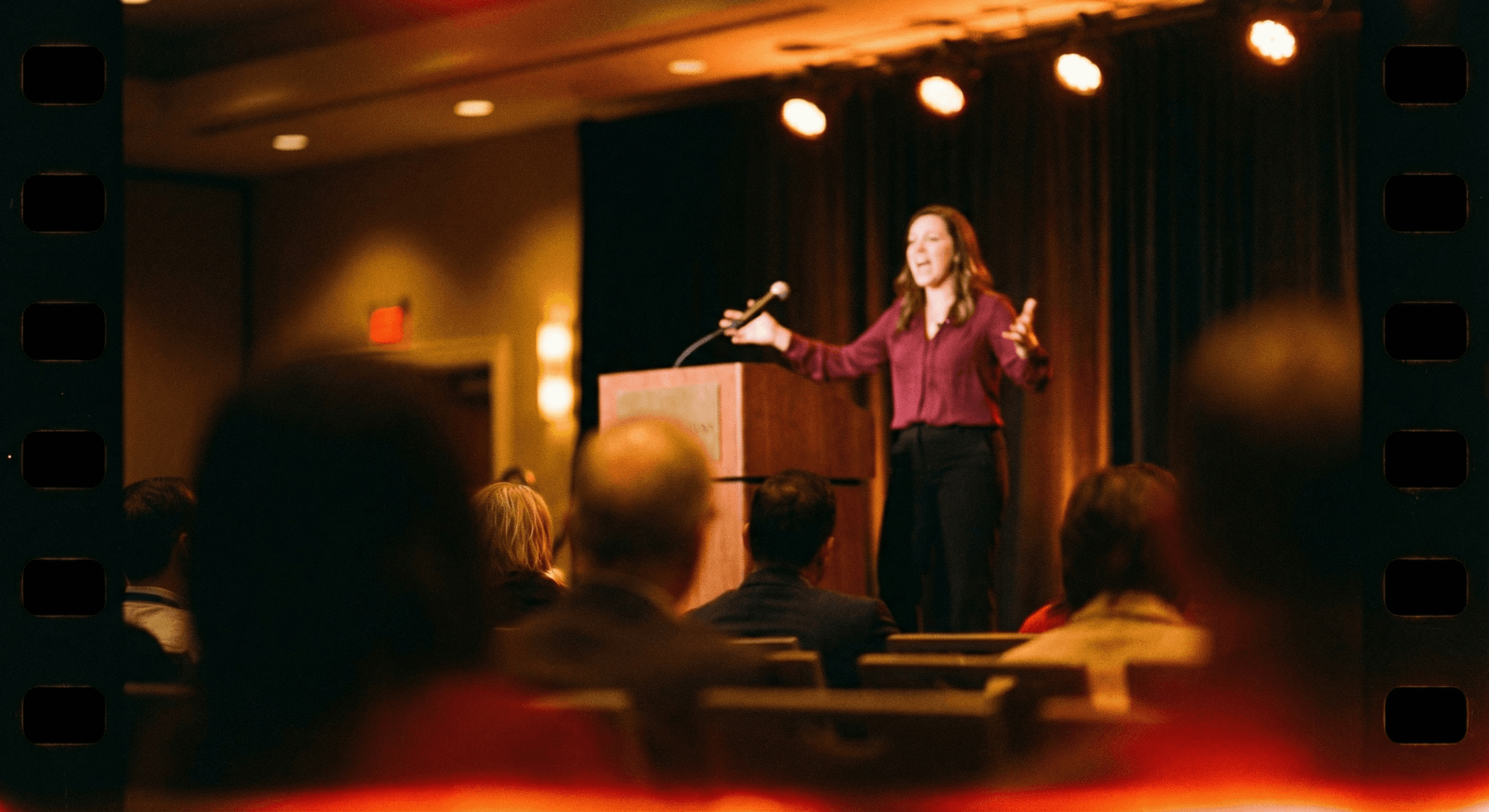
Lucy says HR professionals have the power to change lives
Lucy From HR: What Next for Your Career?
Topics covered
Organizations and entities mentioned
Full transcript
Expand transcript (0 words)
Transcript is not available yet.