Episode 99 · February 18, 2025 · 12:42
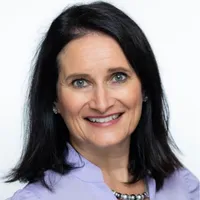
Diana Blancone
Chief People & Talent Officer, Omnicom Media Group
Break the HR Silo: Link Talent Strategy to Business & Financial Success
Episode 99 · February 18, 2025 · 12:42
Break the HR Silo: Link Talent Strategy to Business & Financial Success
Key moments
In Diana's words
“I am of no service or benefit to anyone if I don't truly understand what we're expected to deliver on, in our case with clients.”
“L&D can't exist or should never exist in a vacuum. It must be tied to career growth, business objectives.”
“Back it up with data and back it up with context in terms of why we need to do certain things or how we have had success in certain areas and building on that success.”
Transcript
Read the transcript2,303 words
HostWelcome to the Built by People podcast, where we share the stories and insights of the world's top HR leaders. Join us as we dive deep into the minds of HR executives, uncovering their strategies, challenges, and triumphs in shaping today's workforce. I'm excited to welcome Diana to the Built By People podcast. Diana, thank you so much for joining us. And as a starting question, I always love to ask if you could share a little bit more about your career journey.
GuestAll right. Well, thank you so much, first and foremost, for having me. I'm excited to be here. I started during a time where there were not many jobs available in the market. I graduated and I was looking in the New York market, and I wound up taking an opportunity in fashion retail. And my mindset was at least try to get into a large organization so that you can get a greater understanding of how the organization works and where you might want to focus your efforts. I really didn't know what area of the business I was focused on, but I was fixated on fashion retail. So I was lucky enough to start there. Long story short, I started in a fashion production role and I worked within a department that was responsible for getting the product to get from point A to point B and seeing it through the whole journey. And what this did for me, it was gave me like a real, a really good look under the hood on how a business works. So from there, I became really passionate about how organizations run and how products are made and delivered and really how brands build themselves and grow and evolve. So I spent a while in fashion retail within the hands-on pieces of fashion retail and how the product is made and whatnot. And a few years into that journey, I was tapped by a fashion recruiter who said, hey, listen, I have a job. I'd love to talk to you about this job. And it happened to be in production, but as I got into The conversation with her, she realized that I was really passionate about people and the connective tissue that people have to the organization. And she asked me if I wanted to then shadow her in fashion recruitment. So took that job. Long story short, I wound up getting involved in some really cool projects where I was working with some famous creative directors and fashion designers and building their brand from a talent standpoint. So finding that key talent to build their brands. And that's how my story evolved. I then became part of some talent and HR organizations with large fashion firms and have evolved from there.
HostDiane, I'm curious to get your perspective on how you approach being a true business partner beyond just an HR professional. How do— and can you share some specific examples of how you've integrated yourself into core business operations?
GuestSure. You know, I think one of the most important things is truly understanding the business, which can be a very challenging thing. I think when you're sitting working within a department within an organization, you have a responsibility that's very focused and can be very myopic in a lot of ways. Taking yourself out of that role and thinking, okay, what is the core meaning of this role, right? So in HR and talent, you're responsible for the people who are delivering on the success of the org. If you don't understand what the business is doing, it can be really stifling in a lot of ways. I would say make it a priority to deeply understand the financials of the business, the trends of the business. What are we delivering on? What are we promising? In our case, we work with a lot of clients. I work in media now, and we work with the biggest brands in the world, and we're really responsible for working with these clients to build and evolve the biggest brands of the world. So if we don't really understand what we've promised to the businesses, the clients, and what our deliverables are, I think you're really limited in a lot of ways. So it's just that natural curiosity to understand what the business deliverables are and have some input from how are we evolving in the form of people. So when you look for talent, okay, we've made these promises, but what do we need to find in these talents, whether internally or externally, to deliver on those promises that the business has made?
HostFanny, you've been involved in client meetings and active pitches. How has this involvement shaped your perspective on HR's role in strategy, and what advice would you give to other HR leaders about getting more involved in these areas?
GuestYou know, it's funny, oftentimes I'm told, wow, you know, whether I interview, I still get involved in interviews with executive talent, and I have a real passion for meeting talent and just being curious and having conversations with people. Well, one of the things that people often say to me is, wow, you've truly gone above and beyond the core responsibilities of your role. And what I'll say to that is I am of no service or benefit to anyone if I don't truly understand what we're expected to deliver on, in our case with clients. So I would say in, in my case, years ago, I made the transition from fashion retail into the media landscape first and foremost, 'cause I felt like it was a really progressive industry and this would give me a lot of opportunity to take myself far out of my comfort zone and learn about a new industry. The nature of what we do in media, we pitch for new business and we meet with clients, again, biggest brands of the world. So at the forefront of those meetings where we're talking to these clients about our capabilities and how wonderful we are and what we can do for you and how we're gonna evolve your brand, for me, it was really powerful to be in that room and hear what conversations were being had. So then I can take that back to my team and we're not starting at the 11th hour when we're building teams and we have to hire talent and not understanding what that entire journey and conversation was prior. So we're not starting at scratch. We are starting with a wealth of knowledge in terms of what we've promised to the business, what our strategy is, what our deliverables are, and what key criteria we need to think of when we think of skill sets and mindsets of the talent that we need to consider to, to onboard this business. Just being curious and inserting yourself is, is really key and has been a, a big part of my success.
HostDana, can you share your approach to connecting learning and development to career progression within organizations, and how do you ensure these initiatives drive real business impact?
GuestSure. I think we went through the talent crisis a few years ago with the Great Resignation, and we had to think really long and hard about how do you somewhat clone talent and how do you grow talent? How do you retain talent? How do you keep people captivated to stay with you and feel like they're evolving? One of the big things is that L&D can't exist or should never exist in a vacuum. It must be tied to career growth, business objectives. So we think about skills-based learning paths that are directly linked to career progression. For instance, at OMG, we map our leadership competencies and align them with training programs. So what are our goals? What are our core objectives? What are we expecting of our people and how do we tie those programs to align to all of our goals and objectives. When employees are completing certain milestones and they're fast-tracked for promotions or internal mobility, the result is a measurable increase in internal promotion, a reduction in external hiring, and you feel that people are more fulfilled and they feel a sense of belonging and connectivity. I think when you think about that augmented compensation model, there is that aspect that investing in our people, whether it's career coaching, career development, but then upskilling is such a huge value to our employees because we're investing in them as a human and as a whole, and not just to the role that they're directly tied to. It's, okay, here you are today, but what are we going to do to give you the keys to the car of the future on where you want to evolve for the fast-paced world of, of tomorrow? So, we kind of come with that mindset of nothing is impossible to learn. We just need you to have that curiosity and passion to want to participate and, and get to that next step.
HostAnd what strategies have you found to be most effective in coaching team members to become trusted business partners in your business?
GuestI, I, I think for myself personally, it's think like a business leader. You are responsible for talent and HR, but what does that mean? Talent and HR means the talent that is responsible for delivering the results that we've promised and that we've designed and whatnot. Encouraging them to have a seat at the table, being curious. You know, it sounds so simple, but having a voice, having a point of view, asking the seemingly stupid questions. There's many times that I'm in a room where my business truly understands the craft. They understand the role that they're expected to deliver on. I do not. So, it's having the confidence to ask those seemingly silly questions and dig deeper to understand how the business operates in order to deliver on the promises that we're making, understanding the business KPIs. Okay, so you've onboarded this business. What have we promised? Okay, great. We've promised this, but what do we need to do to get our people to a place to deliver on those promises, right? So if there's outages in terms of skillset, how are we gonna upskill them to get there to deliver on that promise? So being that leader who can provide data-driven solutions, I think it's all great and dandy when you have a point of view, right? But back it up with data and back it up with context in terms of why we need to do certain things or how we have had success in certain areas and building on that success. I really think those cross-functional relationships are key too. Regularly engaging and having those genuine deeper relationships, whether it's finance, operations, core business leaders who are at the forefront of the relationship with our clients, is relationships are everything. I also believe in shadowing programs. So if you're— each of our members are spending time with different departments to gain deeper insight You can never be too deep in, into the business. And I think that that's where some of the lines are blurred in that we are absolutely partners to the business. But what that means is you have to have a deep understanding of how the business functions. And with that, you need to have an open door and an avenue to be part of those chats. You know, I've been with OMG! for around 3 years. I think one of the hugest moments for me is that my leadership team understands that I am not just a people leader, but I am involved in every key meeting that ties back to the business. I couldn't do this job at this point without that. And I would recommend if you don't have a seat at the table, you need to ask why. You need to make a seat for yourself at that table.
HostDiana, any parting advice you'd like to share with our community?
GuestI think curiosity again, you need to be curious and you need to learn. You need to be bold and get involved in business strategy. You need to push yourself out of your comfort zone. One of the things that happened with me when I came into the world of media, You feel like the stupidest person in the room, but that's a good thing. You need to feel that way in order to evolve. Put yourself in very uncomfortable situations where you're well out of your comfort zone and do it regularly. That's the only way that you evolve. Learn how to speak the language of leadership, right? So I spend a lot of time with our CEO, with our CFO, and I understand what goes into the backbone of an organization and how you drive real growth for an org. So get into the financial insights, get into the business metrics, use data, storytell with data. Again, I can't say that enough. I think learning how to use those systems or or at least have a key person on your team who can tell that story with you is really, really key. But always lead first with a business mindset. You know, when HR is a true business partner, it becomes a true driver of the entire organization's success. I lead with a really strong emphasis on curiosity, having a seat at the table, and pushing yourself well out of your comfort zone consistently.
HostDiana, thank you so much for joining us on the Built by People podcast. It was a pleasure to have you involved.
GuestOh, thank you so much for having me. It's great to be here.
More conversations like this