Episode 333 · September 25, 2025 · 18:41
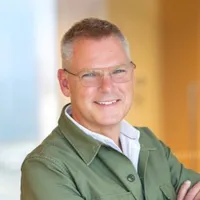
Maxim Williams
Vice President of Global Culture and Belonging, Autodesk
Unlock Peak Performance: Culture's Strategic Edge in an AI-Driven World
Episode 333 · September 25, 2025 · 18:41
Unlock Peak Performance: Culture's Strategic Edge in an AI-Driven World
Key moments
In Maxim's words
“Failure is the greatest teacher if you're willing to actually learn from it and be humbled by it.”
“Previous versions of our articulation had great words in it, but a lot of words, right? It almost had like a buffet style in terms of culture, whereas this is like, no, these are the 6 things that matter most.”
“You shouldn't have to say these things out loud. You should through our behaviors really demonstrate these things.”
Transcript
Read the transcript3,844 words
IntroWelcome to the Built by People podcast, where we share the stories and insights of the world's top HR leaders. Join us as we dive deep into the minds of HR executives, uncovering their strategies, challenges, and triumphs in shaping today's workforce.
HostI'm excited to welcome Maxim to the Built by People podcast. Maxim, thank you so much for joining us today. And as a starting question, I always love to ask if you could share a little bit more about your career journey.
GuestSure. I'm glad to be here. Thanks, Dave. In terms of my career journey, I'll try to keep it somewhat Somewhat concise. So, currently, I am the Vice President of Global Culture and Belonging at Autodesk. And for your listeners, Autodesk is the global leader in the design and make software industry. So, if you think of your favorite buildings, products, movies, likely our software had a hand in bringing that world to life. Ultimately, our mission as a company is to design and make a better world, you know, through our software. So, I have the humble pleasure of leading global culture and belonging for Autodesk. Prior to Autodesk, I was in and out of the tech space, most recently at Roku, you know, helping them really build a lot of their talent strategies from scratch, you know, L&D, talent management, a lot of their diversity efforts, even some of their social impact efforts. So that was a whole different ball of wax to build something from scratch shortly after they had just gone public. Prior to that, I spent some time working across a portfolio of brands under the Gap Inc. umbrella, you know, so Old Navy, Banana, et cetera. And again, trying to come up with a, integrated talent strategy across all of those brands. And so that's as fun and as difficult as it sounds. And then prior to that, I spent a little bit of time at a small company you might have heard of, Apple, for a few years doing a lot of design, leadership design work, leadership development, onboarding, and some product and services training for Apple for a few years as well. And then I think what kind of makes me— what's most effective in my current role at Autodesk was a job I had many years ago in healthcare. I was doing community relationship building or community organizing on behalf of these healthcare systems, really helping communities align around a shared mission, shared values, really in the spirit of defining what does health mean for us as communities. And so that is work that I still draw from today, you know, in terms of bringing different groups of people together around a common mission. So that's been my journey over the last, I don't want to say how many years, I'm maybe older than I look. And so it's, but it's been a fantastic career. I've been, I've been really lucky.
HostMaxim, thanks for that great introduction. I was hoping you could tell us about a career-defining moment that you've had throughout this amazing career of yours.
GuestCareer-defining moment. That's a great question. I've had quite a few, but I think the— I'll say there's probably been about two. The most recent one is, and I think why we're here today talking about culture, I took on this role at Autodesk really with a sense of real intrigue and excitement and a little bit of anxiety because Autodesk is known for like its storied culture. We're a very people-centered organization. People join Autodesk because of its culture. They leave and come back because of the culture. There's a lot of compelling things about Autodesk culture. So the fact that they didn't want to be complacent in evolving who we are and evolving our mission was a really intriguing proposition for me. And I don't get nervous very often. And so it made me a little nervous to say yes to take on this transformation with them. And so we launched our new set of refreshed values a couple months ago, right? It took about a year, almost a year of gathering insights and doing research and, and getting different perspectives. And we launched what I think is hopefully a, a more compelling way to articulate who we are and what we're about and what's important in a way that's also memorable. And I, I know we'll talk a bit more about that later, but that was a defining moment because it was probably one of the toughest things I've ever had to do to like take a company that's so beloved in terms of its culture, 40-year history, distill it down into 6 things. And so that was, uh, really proud of that work. And I'm, I'm mostly proud because I also didn't have to do it alone. You know, I had the support of our leaders and employees from around the world. I would say one other defining moment was when I attempted something really huge, just as the healthcare job, and it didn't work out, you know, and it's actually a story I shared with our CEO when I was interviewing actually for Autodesk. It was years ago, we attempted to do this. Major community development initiative to really help revitalize a local community in South Carolina, which is where I was living at the time. And we were trying to do this really complex framework around, you know, using new market tax credits and nonprofit investment, create a 501(c)(3), the first of its kind that was to preserve in trust a set of communities, right? So that they can revitalize their property. And long story short, you know, this epic idea, which, you know, was getting a lot of attention regionally. I got to speak at like the Federal Reserve about the project and I did a TED Talk about the project. And as we were getting close, we just couldn't make it happen for all the parties involved financially. You know, it was just the math was off just by a couple of points. But the process in and of itself for everybody involved was a huge learning, right? We were able to, as we were going towards this project, upskill everyone in terms of like just how do you really do something that is attempting to be lasting change versus just like the typical things hospitals tend to do, like health fairs and screenings, you know, but how do you actually do systemic change in a meaningful way? And, but it didn't, it didn't work. Like we didn't able, we weren't able to execute the project, you know, by the, by the end of the day. But the learnings from it and what it inspired other communities to do was even more important. You know, since we moved on from the project, others have attempted to do the same thing and have met success and kind of followed our blueprint and learn from our mistakes., you know, and so in some ways it humbled me and it also taught me the importance of attention to, attention to details. I think that was part of the things that we could have done differently was like, look at the, the numbers and not just like the inspirational part of the work, but also look at the details and, and really make sure you have your details in order.
HostMax, and a, a couple things stood out to me as you were, you were providing that answer. One was around failure, which is amazing that it's, uh, something you celebrate and, and reflect on. And two is like, sometimes we find ourselves having an opportunity in front of us that much bigger than we're able to take on. And I'm curious to just get your perspective on how you've learned as an HR leader to embrace both big opportunities, but also the failures that come along the way.
GuestYeah. Yeah. I think it's easy to celebrate the big wins, right? I think that's kind of what you get, uh, you hear all the stories about and you, you, people tend to celebrate the successes and almost develop, uh, an aversion to really talking about failure., right? And I actually shared this, that story in much more detail with our CEO when I was interviewing for this job because it informs everything else, you know, in terms of if I learn from that mistake or that miss, then it should enrich the next thing that I take on that is similar or even better, right? And so without actually talking about it, I might actually repeat that mistake. Others might repeat that mistake. I might not be doing anybody any service by Hiding the mistakes that we made, you know? And so how do I help myself and others learn from it? And it takes practice. At the time, it was probably harder to talk about closer to the, to the moment. But in hindsight, looking back, it created so much wisdom for me and for, for others to learn from what we tried to do. I do believe the reason why we landed where we did culturally here for Autodesk in terms of this initiative is all the things I learned like almost 20 years ago in that one example I was able to apply those learnings to this project, to make sure we were paying attention to the details, make sure I was pulling in diverse perspectives, making sure that I tested my work before we got to the launch point. All the things I probably should have done 20 years ago, applying that learning now. And so failure is the greatest teacher if you're willing to actually learn from it and be humbled by it.
HostMaxim, you talked about one of these career-defining moments being the values refresh within Autodesk and the year-plus-long journey journey that you embarked on to accomplish it. Can you talk about the impact of that initiative on both the company and the employees?
GuestYeah, so I, I would say we're still in the midst of seeing that impact, right? This, this launched April of this year, so we're having this conversation in August, so it's only been a few months. And I think early indicators are, A, folks are responding really well to it. It almost feels like it's, it's speaking to a, a need folks didn't realize that they had, you know, for something that creates more focus and be able to sort of index and prioritize what behaviors matter most. Previous versions of our articulation had great words in it, but a lot of words, right? It almost had like a buffet style in terms of culture, whereas this is like, no, these are the 6 things that matter most. And so that level of focus and simplicity, I think, is really important. And I think we're starting to see people really gravitate and make those connections to the values in their day-to-day. I think the other impact that we are hoping it will have is now our customer teams are really reflecting on what does this mean for our customers if we show up this way in the world with these values? What kind of customer impact could it have? Could it address some of the pain points that our customers are experiencing around our services or our products, right? And so, if we're doing this well internally, how does it manifest externally? And so, we are now having those conversations on the external expression of our values. And we might not even have to say these are our values. You just experience that of us, right? If I tell you I'm trying to be trusted, you're probably gonna be pretty skeptical, you know? And so, we don't— you shouldn't have to say these things out loud. You should through our behaviors really demonstrate these things. And so that is really exciting to see. And that's at all levels of the organization, right? Our chief revenue officer is really thinking about it. Our head of marketing is thinking about it in terms of our brand expression. So seeing that ripple effect now since April across the company is really, really neat to see. And I think the proof will be in the pudding when we start measuring that impact over the next couple of years to see that these are more than just words, but we are seeing actual outcomes. We are seeing higher performance, higher productivity. More innovation, all the things that we say are important, we can hopefully trace back to this moment where we decided to evolve who we are.
HostMaxim, can you tell us about a challenge that you faced in your career and how you overcame it?
GuestJust one? One challenge I faced in my career. I think the biggest challenge, and I would say even in this moment that we're in, in this year with a lot of the volatility in the world, and I think I was going to say the pandemic, but the pandemic feels like old news. I think we've all We've, we've overcome the pandemic, but I think the, just the constant pace at which things are changing is an ongoing challenge. And I think, I'm having to rely on like almost 20, 30 years of, of history, of work history, of leadership experience to really tap into like, how do I be a leader in this state of constant volatility, in this state of ambiguity? How do I still be a servant leader, which is really important to me for my team? You know, and show up as a human being first and empower that in them while also being somebody that really thinks about, you know, the business as well and sort of the impact my work is having on the business. I mean, so to overcome that, I think I really rely on being in learning and curiosity mode, like constantly, you know, and if I feel like if I'm not learning, I'm not leading, right? Learning is the new leading in my point of view. And if I'm not being curious about what's happening around me, around the latest technologies, Obviously, AI is really important to our industry, so I'm upskilling myself on AI almost every week, you know, and really trying to get ahead of what's happening now and what's coming. And I really try to instill that in other people. And so my team, making sure that they're also curious and we have regular conversations that really spark our growth mindset as a team. And then I'm making sure that I'm building connections and relationships. You know, like this work is really hard, especially on the diversity side. You know, things have gotten very volatile, very uncertain, very challenging as it relates to diversity in the last few years, and especially in the last year. Here, but relying on others to get perspective, also expanding my, my purview to be global, you know, and I think as we start thinking about the definition of why diversity matters, it should matter globally. And so that's creating some opportunities for us to get more creative in how we do this work and how we build a sense of belonging around the world. And so be curious, stay curious, stay learning, and make sure that I'm working as collaborative— collaboratively as possible, building connections with others to kind of get through those challenging moments.
HostWhich I think we are all in one right now. Maxim, any insights you can share on your process for upskilling in AI and also building community?
GuestYeah, so for AI specifically, I think the moment you, you learn something today, it's different tomorrow. It's at that pace of change. And so what I try to do is A, get like firsthand practice. We have company tools that we, we allow our employees to use. So we have a version of GPT that we use, that I use pretty regularly. Microsoft has Copilot. We use Copilot. We get our teams trained on how to use Copilot effectively through our suite of Microsoft software. I personally use my AI tools just for fun. I'm a pretty creative person outside of work, and so I like to create videos, art, imagery. And so learning how to prompt to create better videos, better artwork, you know, has been really fascinating. And I'm learning in real time, learning through doing, so to speak. And then in terms of creating community, it's sort of inherent in, in both my role and what my team is here to do is to build that for others. But for ourselves, especially in a hybrid world, in a flexible world where I can't just tap somebody on the shoulder and grab, grab a coffee, right? And so I highly rely on Slack to really just get a pulse for the company. I join multiple Slack channels, even just as an observer, just to get a temperature check on, on what's going on and what are the trending conversations. But we also create opportunities for employees as well as my team to create communities either through our EBGs and their events. We have our employee belonging groups that are really an opportunity for us to scale community worldwide and hosting events ourselves. You know, we do have different events that we put on to bring people together around a common topic as well. And so really nurturing that. And as a company, we have a policy called Flex Forward where we do intentional gathering. We encourage employees to come. Meet, collaborate, ideate in person, you know, and so making sure that folks are doing that a couple times a year, including my team. We have a virtual offsite this week, and then we'll have a physical offsite towards the end of the year just to kind of keep the connections going. And it's hard to really replicate that virtually. And so sometimes we have to get into the room together and be intentional about it. And so that is something across Autodesk, across my team that we push is to bring folks together in person when we can, but keep the keep the flexibility.
HostMaxim, what's a legacy you hope to leave as an HR leader and why?
GuestA legacy I hope to leave. Well, I think different levels. I joined Autodesk because of its mission to design and make a better world. And so to just be a part of that is a part of me leaving something behind. Hopefully that's better than when I, when I found it. As an HR leader and as somebody that's worked in HR now for the last 20 years, I want to leave a legacy of being of service, being as helpful as I could. We spend a lot of time at work. Most of us spend more time at work than we do with our families.. And so if I have a hand in making that experience better for Autodeskers, for employees, for anybody on my team, I will feel like I've done a good job, you know, because I think a lot of meaning and purpose is derived out of people's times at work. And then ultimately, I think with our new culture focus, which I realize I haven't actually shared what the values are, but I think through that work, I'm hoping that it outlasts me, you know, so I move on from Autodesk, but the work remains and people still feel moved by it to do their best their life's best work. And in terms of the values, by the way, I'll just really quickly summarize, you know, optimistic is one of our leading values. You know, we believe in better. We believe that you can bounce back with agility and resilience. Relentless is the second value where we believe in the pursuit of impact and results and being unstoppable in that pursuit. Being brave, we are brave, and that really pushes us to make bold decisions and to take risks. It's ingenious. Every company says they're innovative. Innovation tends to be overused, but we thought, what is the fuel of that innovation? And could all of us really just be imagining what's possible every day and break things down and test and learn and get comfortable with failure, right? And so ingenious is one of our values. And then trusted, right? Do you feel that I care about you, that I'm competent, capable, reliable, ethical, and operating with integrity? And so trusted. All of that is held together by a way of working we call One Autodesk, right? And working in a way that's both fast and pushing to go farther together. And so One Autodesk is our way of working. O-R-B-I-T, the whole thing spells One Orbit. So hopefully it's easy to remember if you just remember the acronym One Orbit. And so as a legacy, as something that I hope my team and I and the company leaves behind, is folks able to execute on those values in a way that do design and make a better world.
HostMaxim, what parting advice would you like to provide to our broader HR community?
GuestOh gosh, I would say get to know the business as much as possible. I think that's, that's really critical. I think really coupling your HR expertise, whether that be culture, whether that be as a people business partner, really understanding the business and how the work that you're doing can help move the business forward and really immersing yourself in what's happening in the business. I think that's, that's really important. And I think in this day and age, You know, really understanding and having a point of view on like the future of work, I think is really important and how humans are going to have to navigate this technological transformation while retaining what matters most, you know, and making sure that folks still have a sense of purpose and meaning and can do their best work regardless of the volatility that is happening with technology and having a global mindset. You know, it's really easy to get siloed and really narrowed in focus, but realizing that as companies start to expand and scale, like that global mindset is key and our ability to kind of bridge those differences globally, I think is really, really important. Business acumen, keeping up on your business acumen, making sure that you're thinking globally, and then preparing for, um, helping people understand, like, how do you navigate this future of work and this technological transformation?
HostUm, from an HR people perspective, I think would be really powerful. Maxim, thank you so much for joining us today on the Built by People podcast.
GuestIt was a pleasure to have you involved. Likewise. Thanks, Dave. Pleasure to meet you.
More conversations like this