Episode 308 · August 21, 2025 · 17:49
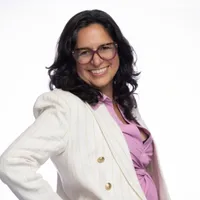
Lisa Stevens
Chief Administrative Officer, Aon PLC
AI & HR: How data-driven well-being creates certainty in a changing world
Episode 308 · August 21, 2025 · 17:49
AI & HR: How data-driven well-being creates certainty in a changing world
Key moments
In Lisa's words
“everything in life is about people.”
“And I would go so far as to say there's a massive opportunity with AI for us to bend towards wellness.”
“you actually have to look at the long term of what you're doing.”
Transcript
Read the transcript3,163 words
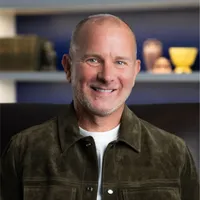
HostWelcome to the Built by People podcast, where we share the stories and insights of the world's top HR leaders. Join us as we dive deep into the minds of HR executives, uncovering their strategies, challenges, and triumphs in shaping today's workforce. Built by People podcast. Lisa, thank you so much for joining us today. And as a starting question, I always love to ask if you could share a little bit more about your career journey.
GuestFirst of all, Dave, thank you so much for having me, and I'm so excited to, to be with Built by People, because everything in life is about people. So it's great to have a conversation. So briefly about my career. I spent 29 years in banking and had a number of different P&L roles, as well as ran marketing for all of Wells Fargo on the field marketing side and small business banking. So a number of different jobs at Wells Fargo over my career, never in HR. I got wooed over to Aon to help operationalize Aon United. So really, how do we become one firm? It had been a journey that the firm had been on for quite some time and something quite frankly that had been done in the banking industry 25 years prior. Little did I know that 9 months into my journey at Aon, Greg Case would ask me if I would be interested in HR. And at the time, I was not certain, but I will just say the idea again of where I just started with built by people is that everything is about people. And I remember a conversation with my husband where He said, talk about culture and people more than anything else. And you have for the entire time I've known you. He's like, you were made for this job. Like, you should be— this is what you should be doing. And so the opportunity and the honor to serve as the chief people officer for Aon has been phenomenal. And the timing of when I did it was pretty, pretty crazy because we were at the time entering into a pretty large merger. As well as COVID. And so there was a lot to learn, a lot that I had to learn. Fortunately, I worked with and still do an amazing team. But to be able to serve our colleagues in such an uncertain time for the world was, again, such an honor and privilege to do. And then subsequently, I've taken on some other responsibilities that are much more in my wheelhouse and my background in terms of assisting the organization. I will just say, Dave, I do think that I have the best job in the world. And I would say that most of my peers that I talk to would say the same thing. And we're all absorbing a ton. There's a lot going on in the world. But the opportunity to help an organization and to help the families of the organization, the communities, and help people be their best every day is a pretty fantastic thing to get to wake up to every day.
HostI'm excited for this conversation. Anne's got a great reputation. You do too. Curious to get your perspective on how Aon has approached AI adoption and what specific strategies you've implemented to create a workforce that is excited to use it rather than resistant to change and utilizing it.
GuestSo let me start first of all with our external, external work that we're doing. We do human capital employee sentiment studies all the time, constantly on a number of different topics. AI being one of them. And right now, just one-third, one-third of employees feel motivated. So one in three to develop new skills when it comes to relevance around AI. So the opportunity for organizations to really take the fear out of AI, to really open it up. And I think you've been doing webinars, right, on AI. What's the participation? Has participation been like?
HostIt's about 3 or 4x what we see on webinars that are non-AI specific.
GuestSo the good news of that is that there's curiosity out there, right? But that, but there's trepidation that we, we know exists. And so it is absolutely has to be, and I believe it is a priority for every organization right now, uh, to unveil the scariness and the fear of, of AI. And we like to say that the days of just sending someone to training are long gone. You have to be learning in the flow of work, which requires a tremendous amount of agility because things are changing so frequently and so fast. And the beautiful thing about AI is the more data you feed it, the better it is, the easier it is to use. And so, so that opportunity to put things in front of employees, to make them feel comfortable, to make them feel curious, to make them feel empowered is so incredibly important. Recognizing that there is this massive lack of motivation and fear for a number of different reasons. And I do think you have to give people, you know, and understand, like, if you come in and you understand how to use it or you learn how to use it, it will make you more effective. It will make you more efficient. And Dave, I would go so far as to say there's a massive opportunity with AI for us to bend towards wellness. If we can figure out a way, we know that people suffer from burnout more now than ever. The thing that the mobile devices has done is it's a device that is by us 24/7. We're constantly like, it's in front of us. We can't get away from it. There is an opportunity for, I believe, the HR world to help bend it towards wellness, to say, can we get more efficient? Can we get more effective with our time? When we used to have to spend hours preparing for a client or days translating something into different languages that we can now do in literally seconds or minutes, how are we going to use that time? Are we gonna use that time to be more present, to think about, again, not just that, you know, our physical, our mental, our emotional, our spiritual, like the whole person and like who that person is. And so, so we're spending time talking to our colleagues about that. Like we're, we want to make you more efficient and effective so you can spend more time with clients, so you can spend more time coaching. And so you can spend more time being thoughtful about what you're doing in your off time and you can really be off.
HostThat's great. Lisa, obviously every organization faces major business risks. You talked about COVID and joining Aon around that time. There's weather events, trade tensions, supply chain stress. Curious to hear about a specific example of how AI has built workforce resiliency in response to major business risks.
GuestSo a couple of things that I would just say again, and I'll go internal first and then external is, and by the way, this, there's a lot of AI in this is we have a health risk analyzer that we use that helps organizations with predictions on on where and how their money is going to be spent. And so, from a— again, think about from a resource capital perspective. As a chief people officer, when I look at Aon, how— if I have $100, how am I spending that $100? And where do I divide it? And what's the smartest places to be putting it? And oh, by the way, it's different by generation. It's different by gender. It's— I mean, it's different by age. It's all these things that play into it. And so, to be as effective as possible with our benefits, And really understanding, again, the whole person and taking all of that into consideration is, I think, exceptionally important. And so we do that for our clients, and they do that for us inside of Aon. And I think a really good example of this is GLP-1s. That's a hot topic, right? If you talk to anyone that's running benefits in a major company, think about it, 60% of all healthcare is paid for in the United States through companies, and one of the largest rising costs is GLP-1s if you're offering it to— if it's part of your program and you're offering it for obesity. Obesity is a chronic condition. It makes up a tremendous amount of other— it brings other diseases into play. And so companies dealt— a lot of companies dealt with it and said, we're going to provide this to our colleagues. And expense is incredible. And so no different for the companies than it is for us. And one of the things that we've been able to do inside of Aon is we've been able to use our data and our analytics to understand you can bend the curve on GLP-1s. So the cost initially goes up when people start on GLP-1s, but after 18 months, you see the cost curve bend. And the way that we know that is that we have a, we have a massive, again, a massive amount of analytics, but we have 50 million people inside of claims that we were able to look at. We pulled out 139,000 that were taking GLP-1s for 2 years consistently, adhering to it and taking it consistently, created a control group and a digital control group, a digital twin. So not just a random control group, but identical. So same demographics, same health issues. And based on that data, we were able to see at around 18 months that you've bent the cost curve. 40% improvement in cardiovascular health, improvement around diabetes type 2, osteoporosis, alcoholism. The list goes on and on and on. And so as a chief people officer, as a head of benefits, if I don't have that data, if I don't have that information in front of me, I might say the program's too expensive. We can't do it, right? But you actually have to look at the long term of what you're doing. And so at Aon, we decided that we were going to make sure that we were providing this to our colleagues because we had the data to support it. Support it, but we also know adherence matters. And adherence is tough because of side effects, because of well-being. And so we partnered with an organization called eMed that's helping us with the adherence piece with some really cool, great stuff that they're doing on a weekly basis with our colleagues, including their ability to do their blood tests at home, the ability to have the deal with the pharmacies and the prescriptions coming directly to them, as well as we're working with Thrive and they're supporting our colleagues with the mental, with the physical, with nutrition, with the support that they need as they're going through the program. So that's just one example, Dave. I could give you a bunch, but of where we're comprehensively looking at our colleagues, we're comprehensively looking at the data, the information that we have to be able to make really, really great decisions for ourselves and then help our clients to make those same types of decisions about what's the best thing for them to do or what's the best benefits for them to offer to their colleagues and their family members.
HostLisa, what unique insights have you gained from sitting at the intersection of advising clients on human capital issues while simultaneously implementing those best practices within Aon's own 60,000-person global workforce?
GuestSo that's such a thoughtful question. And probably, I would say the biggest thing is the opportunity to innovate And the opportunity to truly be an incubator, like everything that we talk about with our clients, we're doing for ourselves, right? Or we're trying first, or we're attempting to see if it works, but we're solving with our clients. We're collaborating with our clients and working with our clients. So it may be our clients who come to us and say, we're having a challenge with, um, day-to-day operations. Like we've done a ton of work around, around smart working, which for us is you know, how did we get people to be fully engaged if they were working in the office, if they were working remote, if they were working hybrid, all those things. We created practices around that for ourselves, and then we were able to go out and help our, and help our clients with that. Back to AI, we've, we believe in 30% digital fluency, and we believe in 30% of our colleagues need to understand how AI works. And so we've been rolling out training. We have A on ChatGPT. Which in the first, I think, week and a half, we've had like, we had the highest adoption rate, I think, of all time. A 60,000-person company, we had 25,000 people sign up for it right away. Access to everyone right now. But that opportunity for our clients to see that we're doing that, and then for us to be able to advise is phenomenal. It's also been pretty amazing to have a billion-dollar investment that's been put in front of us to help us with these things, to help us with the adoption of these things. And for us to be able to talk to our clients about that. The fact that we don't have, like, we don't have silos and we have one organization that is focused on how do we help the HR organization, how do we help the talent organization, how do we help them to be the best that they can be every day? And it's a different solution curtailed to what you need, but it's not based upon like, I'm trying to give you one thing. I'm holistically looking at it, partnering and collaborating with you to figure out how we move forward. And the one thing we know is that we don't know what's coming next, but we have to plan and we have to be responsible for creating certainty for our clients. And because of the way we're organized, we're able to do that. And because our organization, our HR organization is an incubator for our human capital team, it's phenomenal. It's just such an incredible opportunity.
HostSo with the upcoming healthcare announcement on April 28th, What workplace health and mental wellness initiatives has Anne developed that has shown the most significant impact on employee wellbeing and productivity?
GuestThe partnering that we've been doing, again, with organizations like Thrive, which is, again, something that has been, you know, the adoption rate has been incredibly high, particularly in the United States, which is allowing our colleagues to be able to have that opportunity every morning to take a breath, to think about what matters to them, and to put a focus focus there, but that support. And Dave, what we've seen is that with the uptake of Thrive and the utilization of Thrive, we've seen our employee assistance program actually come down. And so here's where the— this is the magic is we spend so much time reactively thinking about ill-being. What do we need to do to help someone when they're in a crisis? What do we need to do to help someone when they are sick? And the thing about programs like Thrive, our program around human sustainability that we have in place that we provide for our colleagues is it's proactive. It's not reactive. It's about how do we keep you well? How do we help you to make sure that you stay healthy? What are choices we can help you to make? Back to our take on AI, how do we use AI to help us with well-being? It's that approach of let's start with well-being, understanding that we, that, you know, Ill-being is table stakes, but the magic is where and how you're putting it up front in everything you do. The last thing I'll say is, again, data, data, data. So you have to be pulsing your colleagues on a constant basis on where and what are we doing that's working? Where do we have to be agile and shift? What are we doing from a communication perspective? How are the— and that part is so incredibly important that people know that they have a voice. And that's driving your ability as an HR organization to make the changes and the pivots when you need to.
HostLisa, what parting advice would you like to share with our community?
GuestSo a couple of things, and we didn't really talk about, talk much about it today, but right now, more than ever in this world, our humanity has to come out. It has to come out in everything that we do. Leaders, and it doesn't matter what role you play, everyone is a leader. Everyone has a leadership role that they play, if it's self-leadership, if you're leading a group of people, if you're leading a large organization, a function, it doesn't matter. There has to be humanity. There has to be this curiousness about each other, about worldview, and the opportunity to stay curious, to stay authentic, to stay vulnerable. Vulnerable to like, I don't have all the answers. I certainly don't have all the answers. Surrounding yourself with amazing people is so incredibly important. But reaching out to each other more and spending 5 minutes talking about how are you doing, what's going on with you outside of like the, like, where are we going? And Dave, I think we were given that gift during COVID when everyone was sitting at home and you heard the dog or the baby crying, or, you know, someone was trying to figure out how they could get the Wi-Fi connection to work to be connected. And it brought out a a humanity in us that was pretty incredible. We have to keep that. We have to keep that in the HR function. We have to keep that in the C-suite with leaders on staying connected to people, staying emotionally connected to people. And it doesn't mean I tell you my deepest, darkest secrets, but what it does mean is that I demonstrate I care about you. You demonstrate you care about me. And that's an obligation, I think, and a requirement by leaders that we, we can't lose.
HostLisa, thank you so much for joining us today on the Built by People podcast. It was a pleasure to have you involved.
GuestDave, it was such a pleasure, and thank you for all the amazing work that you're doing and your team is doing.
More conversations like this