Episode 307 · August 20, 2025 · 9:22
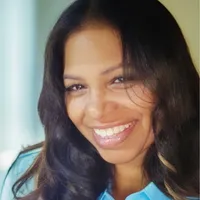
Stephanie Manzelli
Chief People Officer, Employ
HR's Strategic Pivot: Speak the Language of Business, Decentralize Impact
Episode 307 · August 20, 2025 · 9:22
HR's Strategic Pivot: Speak the Language of Business, Decentralize Impact
Key moments
In Stephanie's words
“I don't think HR owns culture. I think everybody does.”
“We were not asking for a seat at the table any longer. We were handing out roadmaps.”
“Influence isn't about polish, it's about saying the hard things sometimes when others won't in a kind way, in a way that they can understand.”
Transcript
Read the transcript1,681 words
HostWelcome to the Built by People podcast, where we share the stories and insights of the world's top HR leaders. Join us as we dive deep into the minds of HR executives, uncovering their strategies, challenges, and triumphs in shaping today's workforce. I'm excited to welcome Steph to the Built by People podcast. Steph, thank you so much for joining us today. And as a starting question, I always love to ask if you could share a little bit more about your career journey.
GuestYeah, for sure. So I am, I'm currently the head of HR or the chief people officer at Employ, and Employ helps talent teams stay focused on what matters most, hiring great people. We have, we have ATS platforms and AI companions, and we empower organizations to navigate hiring challenges. But before that, I spent many years in HR at a number of different tech organizations and people-backed organizations. My background is in HR transformational leadership, and before HR, I was in finance. So very, very unique background.
HostSteph, can you tell us about a career-defining moment in your HR career?
GuestYeah, I would say, you know, I think we've all been at companies where HR does the benefits and enforces the rules and schedules the happy hours, and that's not my brand of HR. I actually, I find it soul-sucking. But at one point, you know, one of the things I do love is engagement surveys, and I love them because they sort of give us this lens into where companies continue and continue to improve. And so, you know, at one point engagement surveys at our organization were kind of seen as this check-the-box exercise, and HR would run them and they would, they would publish a few vague company-wide themes and really nothing would change at the local level because it was just expected that that was something that, that HR would solve. I don't think HR owns culture. I think everybody does. And so what we did was we flipped the script by decentralizing action planning. So instead of just pushing out top-down narratives, we enabled every leader to own their team's feedback. We empowered our HR business partners to do it at a local level. And so we gave them things like templates and coaching, and we made it part of their expectations, and it really shifted the accountability to the frontline. So it was able to help us surface real insights and things that we could aggregate together and really quickly solve. And I would say over time, we were able to tie those action plans to attrition and to team performance. And it really became clear that engagement just wasn't an HR thing. It was a business lever. And we were able to change the perception of HR from survey administrator to sort of strategic partner in culture and in retention. And we use that as an opening to do things like workforce planning models and integrating headcount and performance data. And it just, changed the conversation because we were not asking for a seat at the table any longer. We were handing out roadmaps. And so we were able to embed all layers of the HR team into functional planning sessions, and that just builds visibility and trust. So we became a driver of growth and efficiency, not just— Sure.
HostSteph, can you talk about how that career-defining moment affected both the company and its employees?
GuestYeah. Well, I think, you know, because we were able to put the action planning at a local level, one of the greatest things that it did was put the accountability back on those people leaders to say, okay, what's wrong with my team? How can I improve my team's experience? My organization is unique in that we were a series of companies that had come together. So we were a series of microcultures that had been put together and we needed to sort of forge ahead and forge a new culture. And so not everybody's challenges were the same challenges and not everybody's challenges were hard to solve for. But when you're looking at something at the macro instead of micro, you're trying to solve potentially for the wrong thing or for just not for everybody. And so, what we were able to do from that is we were able to seriously focus on adjusting the engagement in team pockets. And we were— some things were super low-hanging fruit that really impacted somebody's ability to do their job, whether it's the tech stack maneuverability, how to find information they need for their job. General enablement, and we were able actually to improve engagement across the organization anywhere from 20 to 50 percentage points. And we shifted it pretty substantially through the course of just targeted action planning and accountability driving.
HostSteph, can you tell us about a challenge you've faced in your career and how you overcame it?
GuestYeah, I think we've all had challenges. I would say, you know, I have, Because I started my career in finance and in the M&A space in particular, I think that I inherently had a seat at the table for a lot of conversations. And I think when I made the shift from finance to HR, it didn't feel that way. Now, mind you, this was a while ago, but it didn't feel that way. And so what I did was I kind of went into my shell a little bit and I became a bit of an observer. And, you know, I was really often focused on being prepared and buttoned up and, and always having the data. But I do think that I realized that it was holding me back from being able to jump in the fray of conversations that were ambiguous or politically complex. And I think, you know, there was a point that was really, really challenging. We had this business vertical at one organization that I was at and it was just failing. You know, like the numbers were soft, morale was really, really bad because the numbers were soft. And I don't think anyone really wanted to say that the model wasn't working. And I, I could see sort of the writing on the wall. I knew where this was going to go, and I just sort of took a breath and I said what everyone was thinking, and, and that was that we were really trying to resuscitate something that just kind of needed to be rethought entirely. And, and that wasn't easy, and I knew that that could come off as overstepping. I tried to frame it with as much empathy and data as I could, but that moment required courage. The thing that came out of it though was that it created space for real conversation, and it showed me that influence isn't about polish, it's about saying the hard things sometimes when others won't in a kind way, in a way that they can understand. And I think after that, we were really able to work through the challenges by really rethinking what is this vertical, what was the reason that we created it, what is, you know, what is the throughput here? And it just, it really just opened the door for us to have more strategic discussions earlier and not just treat HR as a responder, but sort of as a co-architect. And so I would say that was a really, really challenging period, but we were able to really successfully move the needle quite a bit.
HostSteph, what's a legacy you hope to leave as an HR leader and why?
GuestOkay. That's a really good question. I would say, you know, I approach, I think a lot, a lot of HR leaders get stuck in translating what we do into business terms. It's like, It's like trying to watch a foreign film with like really clunky subtitles. And, and, and sure, you can follow the story, but you're kind of one step removed from the real emotion and the tone and the meaning. It's disconnected. And so if I was to say what I would want my legacy to be, it really is, you know, instead of constantly translating HR into big business language, I would want people to know, you know, I learned to speak in the language of finance and ops and growth from the start. And I think that's what everybody who wants a career in HR should do. That way when we talk about things like attrition, it wasn't in terms of things like morale, it's in terms of things like customer churn and sales coverage and hiring runway. And when we talk about things like leadership development, because we know how important that is, it's not framed as a nice-to-have, it's about reducing decision latency and increasing throughput. And so I think my legacy would be when HR leads with subtitles, we risk seen as an outsider, but when we speak in the native language of the business, we're not just in the room, we're, we're part of the plot. And so I would, I think I would want that to be my legacy.
HostSteph, what parting advice would you like to share with our community?
GuestHmm, don't wait for permission to lead strategically. I think, you know, I go back to sort of that example of sitting quietly and observing in my career before I found my voice. And I would say, you need to know the business well, well enough to speak to it, not just around it. HR isn't a mirror, we are a compass. So we don't just reflect the culture, we help steer it and we help steer the business. And so that's my advice. Don't, don't wait for permission to lead strategically, but know the business that you're supporting.
HostSteph, thanks so much for joining us today on the Built by People podcast. It was a pleasure to have you involved.
GuestThank you so much. I appreciate your time.
More conversations like this