Episode 306 · August 19, 2025 · 10:50
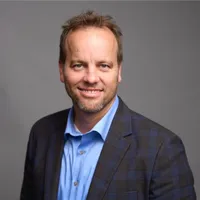
Brady Pyle
CHRO, Space Center Houston
Intentional HR Leadership: Transform Talent with Adaptive Development Strategies
Episode 306 · August 19, 2025 · 10:50
Intentional HR Leadership: Transform Talent with Adaptive Development Strategies
Key moments
In Brady's words
“NASA, we had really leveraged the 70-20-10 model for leadership development. And that says 70% of your development is on the job, 20% you get through contacts, through mentors and coaches, and then 10% comes from leadership content.”
“Even though the branding was fun, it was getting in the way of this notion of mentoring being a two-way relationship or even the possibility of reverse mentoring.”
“In the government context in NASA, you've got to be real careful that you're not pre-selecting people for positions. So, what we did there is we did what we called succession development.”
Transcript
Read the transcript1,704 words
IntroWelcome to the Built by People podcast, where we share the stories and insights of the world's top HR leaders. Join us as we dive deep into the minds of HR executives, uncovering their strategies, challenges, and triumphs in shaping today's workforce.
HostI'm excited to welcome Brady to the Built by People podcast. Brady, thank you so much for joining us today. And as a starting question, I always love to ask if you could share a little bit more about your career journey.
GuestYeah, Dave. So I started at the NASA Johnson Space Center in the summer of 1995 as a graduate co-op student working in human resources. And was able to join NASA as an internal management consultant, HR representative in 1996, and spent nearly 30 years with NASA, 30 years with the federal government until my early retirement in 2023. And then I came over to Space Center Houston, which is— we're a nonprofit. We're the official visitor center of the NASA Johnson Space Center. But we don't receive federal funding. We run independently. We had 1.3 million guests last year. A lot of those domestic and international, both. A lot of interest in space these days. My NASA career, I was an executive for about 10 years, including the last 5 where NASA had a highly decentralized HR model for about 60 years and then moved to a functionally managed model. So I was the first ever HR executive who supervised the other field HR executives at the 10 NASA locations across the country. So exciting career, and it's exciting to still be connected to NASA in this way over at Space Center Houston.
HostBrady, can you share a specific example from your time at NASA or the Space Center Houston where you identified a gap in leadership development? What made it a pressing issue for you? How did you approach solving it?
GuestYeah, so one of the things when I joined Space Center Houston, they really didn't have much in the way of leadership development. It's a smaller organization. We have about 200 full-time staff, another 250 part-time and seasonal staff, and about 25 people leaders. And really not much had been done in the way of preparing those leaders or providing them tools and resources. So I was excited when I got here because NASA, we had really leveraged the 70-20-10 model for leadership development. And that says 70% of your development is on the job, 20% you get through contacts, through mentors and coaches, and then 10% comes from leadership content. So, your typical training programs or other leadership development learning. So, a quick win for me right off the bat was identifying that, hey, we really didn't have much in the way of mentoring and coaching. NASA had leveraged BetterUp as a coaching resource. They're virtual coaches that were very effective for leaders at NASA. So, we brought that right away to Space Center Houston and started leveraging those coaching resources and then also established a cross-department mentoring program where leaders from different areas got to know each other a little better and then shared leadership challenges and experiences with one another. And then we started on our leadership curricula from there and kind of built on that. And so, it's been exciting over the last couple of years seeing some of the changes that we've been able to implement here at Space Center Houston and some of the strategies that really work well at NASA playing out in the smaller context.
HostBrady, could you walk us through a real-world case where you implemented a mentoring or coaching program? You talked about BetterUp, obviously. What challenges did you face during the rollout of that program, and how did you overcome those challenges?
GuestYeah, so a fun story. Back in the NASA days, we started a formal mentoring program here at the Johnson Space Center, and we branded it YODA, Your Opportunity to Develop Another. And actually, we worked with Lucasfilm, and they created a unique YODA pin for each of our leaders and mentors that were in that program. And we had kickoff event and closing events and we had people dressed up as Star Wars characters. I'm a big Darth Vader fan, so I dressed up as Darth Vader for those events. But we did that a couple of years and then we found that the research around mentoring really talked about the criticality of two-way mentoring and the importance of reverse mentoring as well as we had new generations entering the workplace. And so we really had to pause and kind of scrap that branding. Even though the branding was fun, it was getting in the way of this notion of mentoring being a two-way relationship or even the possibility of reverse mentoring. So, we rebranded the program, just became NASA's formal mentoring program and leveraged it in that way. But that was a key learning for us to really emphasize the importance of two-way learning for our leaders.
HostBrady, can you tell us about a time when succession planning became critical for your organization? What steps did you take? What were some of the key outcomes and lessons learned from that experience?
GuestYeah, so at NASA, 95% of the executive roles are filled internally. So, there's a lot of focus on internal growth and development and planning. And so, succession planning becomes critically important. In the government context in NASA, you've got to be real careful that you're not pre-selecting people for positions. So, what we did there is we did what we called succession development. We looked at a pool of candidates at the next level of each leadership level and really evaluated that talent. What we did as well is we had like our executives would sit in a room and they would have their own computers and provide anonymous feedback about their perceptions of leader performance and leader potential. And then also offer any development suggestions. And then HR would take that data. We would develop a one-pager that supervisors could use in conversations with those leaders. And it was extremely helpful to leaders to understand the perceptions that they were facing at the next level, how they could work on specific strategies to really grow and develop. And so that was a rhythm that was built kind of throughout the organization. It started at the executive level and then kind of moved down to different levels of leadership. And I'm actually in the process now of trying to initiate a similar process here at Space Center Houston as we look at growing internal talent. When I arrived here, most of the positions were being filled by external talent. And so we had a talent strategy principal as an executive team that said half of our new positions will be filled by internal talent. So we're really trying to build up that succession planning, leadership development, and emphasize internal growth and development as well.
HostBrady, reflecting on your efforts to build organizational culture, can you describe a situation where things didn't go as planned, what you learned from that, and what you would do differently next time?
GuestYeah, organization culture, that's always a challenging thing. I think one of the things that NASA does really well with that is being very intentional about our employee engagement surveys. And NASA always wasn't that way. Probably about 15 years ago, the engagement surveys that are conducted by the government annually, NASA didn't pay a lot of attention to. And what we found is as we began to pay attention to those things and look at what are a couple of areas that we could focus improvements both across NASA, but then also within individual organization units, that things worked much, much better. So, when we were ignoring the results and not really paying attention to them, the culture, I would say, just kind of drifted. And then when we got more intentional about it, we made improvements specifically around areas like work-life fit. People wanted kind of a work from anywhere. They wanted more hybrid options and approaches. And this was pre-COVID times. And we began to kind of listen and implement some things along those lines and also implement some innovative award programs that really recognize people's achievements and then also service at NASA. And so those were very important. Things that didn't go well, we did try some efforts related to, you know, specifically pulling groups of people together to talk more about kind of the culture in general. And we had some fits and starts with that where we had brought random groups of people together. And we found that when we're talking culture, when we're talking organizational values, we really needed to go within tech teams that trusted one another. That we couldn't just bring random focus groups together to have those conversations and get the same results.
HostBrady, what parting advice would you like to share with our community?
GuestSo one of the things that I've always valued as a leader is just to keep learning and growing. I think there's always new things to learn. There's always new perspectives to gain. Early in my NASA career, the organization that I was part of talked about— they felt like they were the the best HR organization. They talked about being the best, and that didn't engender kind of a learning orientation or learning environment. And I think when we're benchmarking from others, learning from others, listening to various perspectives, to different views, we come up with better solutions. I'm a big believer in the power of inclusion that drives innovation. And when we hear everyone's voice in the organization, we get to more creative, innovative solutions. So I would encourage folks to, one, keep learning yourself, and then if you're an organization leader responsible for a team, make sure that you also have that learning orientation and you're out looking for better ways to do things.
HostBrady, thank you so much for joining us today on the Built by People podcast.
GuestIt was a pleasure to have you involved. Yeah, appreciate it, Dave. Thanks for the invitation.
More conversations like this