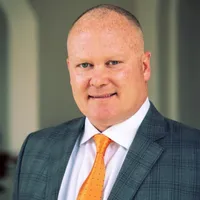
Harrison Newman
VP Employee Benefits Consultant
Corporate Synergies
Stop Checking Boxes: Benefits Are HR's Ultimate Culture-Shaping Lever
Thesis
“Employee benefits, when approached strategically, are HR's most powerful tool for shaping organizational culture, driving employee satisfaction, and attracting top talent, far beyond mere compliance.”
What you'll take away
- 01HR leaders must shift their perspective on benefits from a compliance checklist to a strategic instrument for proactive culture building and employee valuation.
- 02Adopt the '3 Nos' framework: Know your people (demographics, values, communication), know your data (cost drivers, utilization), and know your options (diverse offerings) to design impactful benefit plans.
- 03Modern employees seek personalized benefit offerings that align with their individual values and needs, making customized lifestyle accounts and inclusive coverage essential for attracting top talent.
- 04Emerging and expensive benefits like GLP-1 medications require HR to evaluate their cultural ROI (employee satisfaction, mental health) alongside financial costs, elevating HR's strategic role in decision-making.
- 05Use benefits as a strategic differentiator to attract and retain talent by demonstrating that the organization values its employees' diverse needs and overall well-being.


What most organizations get wrong
- Challenge the conventional HR mindset of viewing benefits as merely 'checking the box,' instead advocating for their use as a primary driver for building organizational culture.
In Harrison's words
“I love employee benefits because it is as HR as HR gets. It's the, in my opinion, it's the one thing HR has complete control over to build a culture within the organization.”
This quote encapsulates the guest's core argument about the strategic power of employee benefits in HR.
“What I'm telling people is have fun with your employee benefit plans. Don't just use them as checking the boxes. Use them as ways to make your employees feel valued, ways to attract and retain the top talent...”
This provides a clear, actionable directive for HR leaders to reframe their approach to benefits.
“People are saying, what are the benefits talking to me? What are they saying to me as an individual? Do they cover the stuff that I need?”
Highlights the evolving, personalized expectations of employees regarding their benefit packages.
“This is the first time where a conversation about benefits is turning from a purely financial conversation to a cultural conversation. It's not just the ROI from a financial standpoint. It's the ROI from the culture standpoint.”
Emphasizes the significant shift in how benefits decisions are being made, prioritizing cultural impact.
“I hope the legacy is using benefits to build culture... I think having a culture within work is so crucial. And as a benefits broker, I think I am at the point where I can help HR people achieve their goals in culture through their benefits.”
This quote defines his professional mission and reinforces the central theme of the episode.
The problems this episode addresses
- HR leaders struggle to move beyond a 'checking the box' mentality with benefits, missing opportunities to build culture and engage employees strategically.
- Organizations face challenges in funding and implementing costly emerging benefits (e.g., fertility, GLP-1s) while still aiming to make employees feel valued and supported.
- Difficulty in making benefit decisions that balance financial cost (ROI) with the less tangible but critical cultural return on investment (employee satisfaction, mental health).
- Attracting and retaining top talent is hindered when benefit offerings are not perceived as personalized or aligned with the diverse values and needs of the modern workforce.
- HR teams lack a clear framework to comprehensively understand their workforce's needs, analyze benefits data, and explore strategic options for optimizing their benefit plans.
In this episode
Built by People podcast features insights from world's top HR leaders
Built by People
Like many in the benefits space, Dave is a former benefits consultant
What's Your Career Journey?
Harrison says deciding to leave benefits brokerage was career-defining moment
Have You Reached Your Career-Defining Moment?
Harrison says being intentional and flexible helped him overcome career challenges
Harrison, can you tell us about a challenge that you faced
Harrison: What was your process for deciding on your next career
Deciding on the Path That Was Right For Me
Harrison: I love employee benefits because it is as HR as HR gets
Employee Benefits: What to Know Before Open Enrollment
Curious if you have any perspective on some emerging benefits that are compelling
Are There Emerging Benefits in the Future?
The conversation about benefits is turning from a purely financial conversation to a cultural one
Health and Wellbeing: The Culture of Benefits
Harrison hopes to use benefits to build culture through benefits
What's a legacy you hope to leave?
Harrison: Be strategic, be intentional, but also be flexible
Harrison on Being Strategic, Intentional and Flexible
Topics covered
Organizations and entities mentioned
Full transcript
Expand transcript (0 words)
Transcript is not available yet.