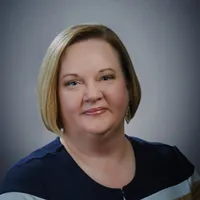
Episode 217 · May 28, 2025 · 11:46
Erica Koenig
Chief Human Resource Officer, SPS Commerce
Culture is the differentiator: Why strategic HR builds people first, then tech.
Episode 217 · May 28, 2025 · 11:46
Culture is the differentiator: Why strategic HR builds people first, then tech.
Key moments
In Erica's words
“I didn't have experience in all those areas, and I came to lead a team of experts. But what was amazing about leading those experts is I learned a tremendous amount from them. And sometimes I was asking questions that I thought were the most obvious that led to really in-depth, meaningful conversations.”
“I realize that our employees and managers don't actually know how to do good performance management. They don't know how to give good feedback. They don't know how to coach. They don't know how to put development plans together. And honestly, if I implement this technology, that's not going to fix the problem.”
“Never underestimate the power of culture. It can make or break an acquisition integration.”
Transcript
Read the transcript2,198 words
HostWelcome to the Built by People podcast, where we share the stories and insights of the world's top HR leaders. Join us as we dive deep into the minds of HR executives, uncovering their strategies, challenges, and triumphs in shaping today's workforce. I'm excited to welcome Erica to the Built by People podcast. Erica, thank you so much for joining us. And as a starting question, I always have to ask if you could share a little bit more about your career journey.
GuestYeah, thanks, Dave. I'm super excited to be here and part of the community that you're building. So I'll start early. On. Originally, I went to college thinking I was going to be a psychiatrist, always fascinated just by people and behaviors. And then organic chemistry came along and I thought, nope, definitely not going to go to be pre-med. In the end, I came out of school with a triple degree in psychology, social work, and religion. And then after graduation, I realized I really wanted to be in the business world. I had a little divine intervention from my dad. He was an executive at a large insurance company, and he said, I think you'd be really good in HR. So I was lucky enough to meet with his HR leader, and then the rest is history. I ended up going down the path of pursuing HR early in my career, just landed in compensation and HRIS, and it wasn't something I was pursuing but came out of nowhere. And then what I loved about it was really the art and science of HR. And so spent a long time, 18+ years in the total rewards area, and then had the opportunity to work at some great companies like Ernst Young, Pepsi, American Express, and then ultimately ended up at UnitedHealth Group. I really credit kind of the opportunity at UnitedHealth Group that kind of changed the trajectory. If I looked back, I would have said my goal would have been the head of total rewards at an organization. And I was lucky enough when I was at UHG that the CHRO was making some big org changes and she tapped me on the shoulder to be the chief talent officer for the organization. So, had the opportunity to lead talent acquisition, learning, OD, OE, talent management. I was so excited but scared out of my mind. I made that change and never looked back. I decided probably 6 weeks into that role I was never going to go back to total rewards, which I think my previous leader was like, I think he was hoping I would have been his successor. But I think just that experience was amazing and honestly, a little bit scary. I didn't have experience in all those areas, and I came to lead a team of experts. But what was amazing about leading those experts is I learned a tremendous amount from them. And sometimes I was asking questions that I thought were the most obvious that led to really in-depth, meaningful conversations. And so that was my trajectory forward. And then after that, had a great opportunity to then lead HR for a large Medicare and Medicaid business at UHG. And After that experience, I really thought, you know what, I'm going to pursue a CHRO role. So after 15 years at UHG, I got a call. SPS is a mid-sized tech company and they were asking if I'd be interested in the role. And I thought this was the opportunity I really was looking for. They were growing crazy organically and via acquisition and needed really someone to help transform the people function. Jumped at the opportunity. It's funny, I've gotten a lot of calls from people in the total rewards space that are like, how did you make that leap? It's such an interesting one and typically not one that you see a CHRO having. I openly credit the opportunity I've moved around when I was at UHG and all the experiences I had really rounded out those opportunities and led me to the role that I have now.
HostCan you share a story about a time when you took on the role of a builder and fixer at UnitedHealth Group or SPS Commerce? And what key strategies you used to transform the HR team into a strategic partner?
GuestYeah, absolutely. I can tell you early on, one of the roles I had at UHG, I was leading the compensation function for one of the businesses and then had the opportunity to lead the comp function across the enterprise. I had already transformed the comp team. I had hired different skill sets, really had done good org design, really partnering and listening with the business to understand what were they trying to solve and built the team around that. And when I took over the enterprise team, there were a lot of gaps and there was some complacency in some of the other areas of the team. Did a lot of listening, had to strategize with the business leaders that these teams were supporting. They were really happy. They loved the people. I don't think they actually understood what they weren't getting. I had to build a strategy and share with them what they should be expecting from this team. And they were hesitant. You've had a partner for a long time and you don't want to let go. And one, won them over, showed them what they should be getting, and then had the permission to really reorganize the team. I'd say half of the team ended up rising to the occasion and the other half pursued other opportunities and got to transform the team. And I think ultimately after that pivot and when the new teams showed up with their business partners, I think they really realized what they had been missing. And overall a good story. But I think one, we're listening to the business. Creating that partnership and trust was integral to being able to make such a big change within the team.
HostYou've talked in the past about your passion for global HR and implementing new HR technologies. Could you provide a case study or example of a successful HR technology implementation that you led and discuss the impact it had on the organization's growth?
GuestYeah, absolutely. I love HR tech. I think its ability to help support and transform process and organization and support global teams is so impactful. This was quite a few years ago. We were going to RFP for a new performance management system. Our employees and managers endlessly complained about our homegrown system and how poor it was, and I was super excited to tackle this. And we found a great vendor with a solution that really was going to transform the process, really put performance management in the flow of work. The tools integrated amazingly into the tech stack. It seemed perfect, but I had this nagging feeling that something wasn't right. And it was funny, I had a meeting with the CEO of the vendor the next morning, and at 2:00 AM I woke up in the middle of the night and I think I figured out what was missing. And so I remember sitting in the office with him and telling him how much we loved the tech, how excited we were to implement it. And then I said, but we're going to pause at this time and we're not going to move forward. And he smiled and he looked perplexed and said, I have to ask, is there a reason you're not going to implement? And I said, I realize that our employees and managers don't actually know how to do good performance management. They don't know how to give good feedback. They don't know how to coach. They don't know how to put development plans together. And honestly, if I implement this technology, that's not going to fix the problem. And so I said, give me 18 months to 2 years. I'm going to have my team work on building those capabilities within the workforce. And then let's go implement the tech. That's exactly— he smiled and laughed and said, that's actually a really smart decision. And so in the end, we did the work with the managers and employees, and then we ultimately implemented the technology. Probably one of the best implementations ever. The teams really enjoyed it. I think it was not because we had delayed it. There were even more bells and whistles in the tech. So when we rolled it out, the adoption and uptake was huge and leadership team even saw just what an impact it had in attracting, retaining, and managing the performance of the organization. And so I always say technology, an enabler, doesn't fix the problems. I think that was just a great example of thinking through what problem are we really trying to solve.
HostCan you tell us about a particularly challenging merger and acquisition experience you managed focusing on the cultural integration aspect? What lessons did you learn along that path that other HR professionals can learn from?
GuestYeah, so many lessons. I've had an opportunity to work on hundreds of acquisitions in my career, and every single one of them is different because every company is different. I always say never underestimate the power of culture. It can make or break an acquisition integration. The corp development teams, when they're looking for companies to acquire, they're looking at the bottom line and all of the other things. Sometimes the HR pieces can get overlooked. I remember a sizable acquisition we did some years ago. Our cultures were diametrically different. We knew that from the get-go. And during due diligence, I raised that this could be a really big problem when we go to integrate them. The business was booming. They really wanted in, so we acquired them. And originally we left them alone. We let them operate in a silo. But then unfortunately, the performance of the business started to dwindle. And of course, that was when the executive team made the decision, we're going to integrate them right this second. So one, I think we probably waited too long. And two, we probably should have done some cultural assimilation way earlier on. And if you think about company cultures, this was like a mom-and-pop family type of culture coming into a big corporate culture. And so when we started to do the integration, you had a business under stress, a leadership team under stress. And when we did the integration, it was really painful. There was a lot of clashes. Things just did not go as well. And probably 6 months in, we lost a lot of the leaders. And about 6 years later, we divested a lot of that company. Looking back, you know, I definitely raised the red flag, but I probably should have been even more assertive about it. And my lesson learned that I have taken from this day forward is when you know that the cultural differences are that big, you have to get on some sort of cultural assimilation right out of the gate, whether you're integrating them fully or not. Really get to understand where are the synergies within the culture and where are the gaps and what can you capitalize on. There's always great things you can learn from somebody else's culture as well, and maybe something that your own company should adopt. It's never perfect, but I definitely think doing really solid cultural kind of assimilation work upfront is the key to that.
HostErica, what parting advice would you like to share with our community?
GuestYeah, I would say take risks. In your career, try something new. I think some of the biggest gains you get are from being uncomfortable, and you never know everything going into a new role or a new company, so don't be afraid to jump in. I also think people coming in with a fresh and different perspective bring something definitely interesting to a team. I also think from a leadership perspective, having good leaders and mentors early in your career can really help you. I think one of the biggest pieces of advice I got early in my career from my leader was don't be afraid to hire people and surround— hire people smarter than you and surround yourself with people that fill in your gaps. Because as a whole, a collective whole, you're going to be a much stronger team. And I have lived by that rule my entire career and it has never served me wrong. I think you can hire people that are eager and hungry to learn and take on a challenge that may not check all the boxes and you can build a really fantastic team. So I think those are some of the advice I would give.
HostErika, thank you so much for joining us today on the Built by People podcast. It was a pleasure to have you involved.
GuestYeah, thank you. Thanks so much.
More conversations like this