Episode 135 · March 25, 2025 · 15:18
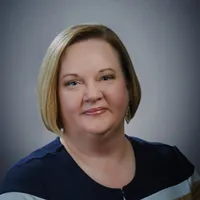
Mike Clementi
Human Resources Executive & Advisor, ChangeBridge People Solutions
TRANSFORM EPISODE: Mike Clementi, Human Resources Executive & Advisor at ChangeBridge People Solutions
Episode 135 · March 25, 2025 · 15:18
TRANSFORM EPISODE: Mike Clementi, Human Resources Executive & Advisor at ChangeBridge People Solutions
Key moments
In Mike's words
“Yeah. So my career journey is fairly typical in some ways. I joined Unilever and worked there for, in progressing roles for 25+ years... I just had just a privilege to work with one of the most progressive thinking companies that value HR, value people, value society.”
“If I could share one thing that today would be shifting the HR function from managing work and processes to focusing on outcomes. And we say this at Changebridge, we exist to lift and accelerate performance.”
“The old saying is if you're not changing, you're dying... So the first thing is just accepting that and getting really clear. I do want to shift us, and please, we need to shift to thinking about outcomes first.”
Transcript
Read the transcript2,536 words
HostWelcome to the Built by People podcast, where we share the stories and insights of the world's top HR leaders. Join us as we dive deep into the minds of HR executives, uncovering their strategies, challenges, and triumphs in shaping today's workforce. I'm excited to welcome Mike to the Built By People podcast. Mike, thank you so much for joining us. And as a starting question, I always love to ask if you could share a little bit more about your career journey.
GuestYeah, thanks. Such a pleasure to be here. And thank you so much for having me today. It really is just so nice to take a break from everything else we have going on and just reflect a little bit and chat with you. Yeah. So my career journey is fairly typical in some ways. I joined Unilever and worked there for, in progressing roles for 25+ years. I started as a management trainee out of college. I had no idea what I wanted to do. And I joined in the HR team and after a couple of months with a psychology degree, I had to confess and call my father back up and say, yes, you were right. I should have gone into business. And I went back and I got my MBA. And I just had just a privilege to work with one of the most progressive thinking companies that value HR, value people, value society. Really had a lasting impression on my life. And I was able to work and live in multiple spots in the world. And yeah, my last role with Unilever was looking after our global markets. So anyone that sales forces or factories or operating companies were on my team. And so yeah, we stretched the world thinking about how to deliver Unilever's mission and annual plan, but then also worked on global transformation. So things like divesting our RT business or working on mergers and acquisitions or ultimately restructuring Unilever to be moving from a geography-led company to a category-led company. So I did that for a long period of time. It was really amazing. I love it. I look back still with very fond memories and wording those folks on. I did about an 18-month stint in a private equity company as a CHRO. I just really wanted to do something different. I felt like I worked at one of the best big companies in the world and did that for a period of time. And I think that really launched the ability for me to want to now run my own business and be, even go that step further and connect in with people and share some of the experiences I've had, but also help companies accelerate and grow. And that's what we're doing now is working mainly with startups, but I'll say past startups, venture capital, PE-backed companies to help them expand. And we've got some clients that are publicly traded or in the university space as well. But it's been an absolute blast learning every day out of my comfort zone beyond belief, but having an absolute blast at it. So that's a little bit about me and more importantly, I'm the father of two fantastic girls and my wife is just, people say better half, but she's my better three-quarters for sure. So So we're doing just amazing work on that front. And that's really the reason I get up in the morning.
HostSo, Mike, thanks for that great introduction. I want to dive in with my first question. That's what key differences have you observed between working in public companies and private equity-backed organizations? And how does HR's role shift in those environments?
GuestIt really is a fantastic jumping off place in, in many ways. It's very similar and there are differences, of course. The similarities, of course, is that the work is still focused around adding value through people-to-people solutions. And I think that's a common ground to stand on. The public companies, the real difference is you're generally joining an established organization with already existing ways of working, policy systems, processes, these sorts of things. And that's a good thing. They're governed with a minimum standard because they're public. And that gives you a good foundation to do good change work. One of the big things though is work gets done in meetings and you don't realize that until you leave the public sector that the work is focused around getting into a meeting and then there's the pre-meeting and the post-meeting selling that happens and Really, the energy is moving from milestone to milestone in this project-based way. And that's the way that work gets done in most trying to innovate and get stuff done, but staying within the guardrails of the company's culture. What's different in the PE world is many of those same principles exist, but there are two main things I think are really different. Maybe three. Relationships are still absolutely vital. And understanding the priorities so you can move quick. So getting even sharper about what needs to happen is important. And that leads to this comment on value creation. The constant thought in a big company is how do I deliver my goods and services in a better way? And that exists in private equity companies, but the focus on understanding value creation is different and it's a continual everyday focus. As I often talk about, we're focusing on the business and executing within the business. And that's the primary focus every day. It's not really about presenting in lots of meetings. So meetings are to a lesser extent, you have them, but they're focused on decisions and impacts versus moving presentations and processes along. Those are some of the challenges.
HostMike, how can HR leaders help organizations stay focused on performance while managing significant change and transformation efforts?
GuestYeah, first of all, it's hard. And I will say that it's, this is really incredibly difficult work. Change management is hard and we know it's hard because organizations that are under transformation, about what's the statistic? 50 to 70% of all organization changes or transformations aren't successful. And I think understanding why that is, is really, really important. I think first We do need to look at getting the business case much sharper than we traditionally have, really understanding the why and the investment thesis, but staying really focused on what's important and the involving role of HR is critical. So it's not that the things that we need to do in traditional organizations aren't important. They are. We still have to do all the transformation work and we have to do the benefits work and we have to do the recruitment work, but What we're really then shifting, I think, in performance is focusing on the outcomes. And if I could share one thing that today would be shifting the HR function from managing work and processes to focusing on outcomes. And we say this at Changebridge, we exist to lift and accelerate performance. And we do that because we feel that outcomes is the critical thing. That we need to do. And that's everything from ensuring the briefs are right, challenging ourselves, listening, being more agile, thinking differently, and really focusing on transformation efforts.
HostMike, for companies navigating transformational change, what approaches have you found most effective in addressing rapid challenges and driving sustainable improvements?
GuestYeah, I love this. It's a little bit what we were just discussing. The old saying is if you're not changing, you're dying. And if you're not growing, you're dying. I suppose that's sure. I mean, every company is in transformation. I think every household is in transformation. Every person's in transformation. So the first thing is just accepting that and getting really clear. I do want to shift us, and please, we need to shift to thinking about outcomes first. That is the biggest thing that we need to do when we're navigating change is really understanding what success looks like, what the goals are, knowing our consumers, our customers, that's super, super helpful. And then building this brief, as I talked about, really understanding how value is created and following it. We sometimes talk about the importance of having change management and change management philosophies, but really sustainable change starts with outcomes and it starts with having all of our teams focused on outcomes and value creation. It's easier in private equity companies because you're in many ways following the value creation model and the investment thesis. And that's one thing that we definitely do.
HostMike, what lessons can be learned from private equity's performance-driven approach to help companies improve in things like talent management and business outcomes?
GuestYeah, companies know this, but I see it, a real focus that talent matters. And leadership matters. The decisions that the leaders are making are really part and parcel to the success of the organization. And this is fun. Rather than working on a, on a long timescale, we're looking for incremental constant results. So one of the things I talk about is everyday execution on everyday results, really living in this mindset. So having the right talent is critical. I'll give you a small example that I think can really work. If you think about the average way we look at talent, and I want to focus on this one about in your question, most of us hire and refer against a set of jobs to be done, a traditional job profile. But if you were to flip this around and really only focus on the outcomes you wanted that job to do. You might work for them very differently. You would ask different questions. You would be thinking about the candidates differently. So you might not just need a new chief revenue officer and here's the jobs we want to be done, you know, grow 10%, you know, new client base. Great. But you'd want to be thinking about it in the context of, is it exponential growth? Is it turnaround growth? Is it innovative growth? What does that look like? Or if it's more of a company's in decline, Has your CFO done a turnaround? And so you interview and you challenge the conversation on the outcomes you're looking for. We need to increase our EBITDA by X million. Talk to me about a time where you've specifically driven results that, and what were the components of EBITDA that you— it's a different level of conversation. And I think private equity companies are doing, in my view, a better job of understanding talent matters. That might sound strange because you think of private equity with this sort of broad brush is about results, but actually some of the systems that are put in place and some of the focus around talent and talent management and leadership capability, I see this as a change. And then maybe one last thing around the same space, which I love, is this concept of a top talent profile. This is what the benchmark looks like versus what the average benchmark looks like. And sometimes we recruit in public companies or big companies or any company. Towards here's what we need versus here's what is actually transformational. Here's what the best-in-class jobs look like. So if you pull those responsibilities in, focus on outcomes, and make sure that you're really focusing on talent, I think private equity companies probably understand that the results are in the hands of the people who are leading their businesses.
HostAnd Mike, how do you balance long-term people strategies with the fast-paced demands of transformation? In a private equity setting?
GuestIt is a really good question. I think one thing I would say is not all private equity companies are the same. And the view that, you know, perhaps private equity companies are setting things up for, and you're not suggesting this in your question at all, but it exists in the discussion, right? That we're setting things up for fast turns, we're focused on profits. I'm not sure that, I'm not sure that's right. What private equity companies do is they're really focused on value creation. And I'll give you a small little analogy. I love analogies, but one that I use a lot is it's like a real estate investor or a homeowner. You understand what markets are growing. You look for opportunities to buy the right house in the right market, and you're willing to invest in that house because you can see the potential of that house and that return. In many ways, that's what private equity companies do. I find that the investment is stronger in some of the private equity companies because they're focused on value creation. If you know your investment thesis and if you're following how to make money and get a better return, you're more willing to spend. So I think the question for us is not the long-term people strategies. It's showing that those long-term people strategies are going to increase the value of the home. If you're able to do that, private equity companies in generally embrace those things right away. The difference is you have to be agile and adaptable to be willing to move quickly when they're not working. So sometimes the lead time is a little bit longer in bigger or more established companies, and you tweak as you go. Here, I think you just have to have learning agility and say, yeah, we tried this, probably isn't working to the extent we want, but we're going to keep going because Yes, we put the addition on this house, but it wasn't exactly the return that we expected. We still do believe in the project and you just need to adapt and move on. I think those are fundamentally the differences.
HostMike, what parting advice would you like to share with our audience?
GuestYeah, I think the two things, if I could do, if I could share two things, it would be about learning mindset and agility. People and companies that are winning in this world cannot understand everything coming at them, even though we try to. So we have to have the ability to be flexible, to learn, to be agile, and to, when new information comes, adapt to it. So that would be one. And lastly, for HR professionals, is really think deeply about, do you know your customer? Do you know what value sits with them? What's important to them? And how do you deliver those outcomes Faster than you thought was possible. And if you do those two things really well, what I call the new performance culture, HR is going to shift from running processes and thinking about the jobs we do to actually delivering real value for customers, internal customers, by the way, but also external companies and customers. And it's a much more fun world. So performance-driven, agile mindset. That's the way to go.
HostMike, thanks so much for joining us on the Built by People podcast. It was a pleasure to have you involved.
GuestYeah, my pleasure. Love it.
More conversations like this