Episode 134 · March 25, 2025 · 14:51
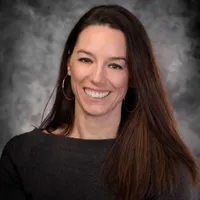
Courtney King
SVP People & Culture, Beatbox Beverages
TRANSFORM EPISODE: Courtney King, SVP People & Culture at Beatbox
Episode 134 · March 25, 2025 · 14:51
TRANSFORM EPISODE: Courtney King, SVP People & Culture at Beatbox
Key moments
In Courtney's words
“I was 21. I was the owner and operator. I was doing front of house, back of house. And I refer to that as my PhD in life, but how that is connected to human resources, I was doing these tasks that I really enjoyed, but I didn't really know what it was called.”
“We really bring failures to the forefront because we want to know what people have learned from those failures and how we can have growth. As we know here, like some of the best ideas and innovation have come out of a failure.”
“So when I think about, we have multiple different layers of support, so we have an employee, assistance program because many times employees need to be— their mental health needs to be cared for in the face of a disaster. We have an employee hardship program as well that employees can apply for.”
Transcript
Read the transcript2,185 words
HostWelcome to the Built by People podcast, where we share the stories and insights of the world's top HR leaders. Join us as we dive deep into the minds of HR executives, uncovering their strategies, challenges, and triumphs in shaping today's workforce. I'm excited to welcome Courtney to the Built By People podcast. Courtney, thank you so much for joining us. And as a starting question, I always love to ask if you could share a little bit more about your career journey.
GuestSure. I, when I think about my career journey, one of the things that is most interesting that I don't find when I'm talking to other people in this discipline is how I got started. So I had the privilege, I became an entrepreneur at 21 years old. I come from a family of entrepreneurs and my grandparents were restaurant owners and they supported me. To give me the ability to own a franchise of restaurants. I was 21. I was the owner and operator. I was doing front of house, back of house. And I refer to that as my PhD in life, but how that is connected to human resources, I was doing these tasks that I really enjoyed, but I didn't really know what it was called. And 20 years ago, it was lumped into a bucket called like office management. And so I really started doing some research about the benefits and the payroll and the hiring and what kept employees engaged and things of that nature. And I stumbled onto, oh, this is HR because I was a biology major. And so once I sold those businesses, I went back to school. Finished my undergrad and then graduate degree in HR. And I did that all as a non-traditional student. So having that experience as a business owner gave me enough credibility to get my foot in the door to start a career in HR with really no formal HR experience. So that's a little bit that I like to share with people as to how I got my start. I think it makes me a unique partner for a business. And then just to summarize, I've spent my whole career with the exception of the restaurant ownership in human resources. So ever since that opportunity, and I've worked at a variety of organizations, some large and public, but in majority private equity. That's really where I thrive and really that niche that I enjoy. And most recently, I'm the Senior Vice President of People and Culture at BeatBox Beverages. I've been with BeatBox Beverages going on 4 years. I was hired to establish the people and culture function, and we have seen phenomenal growth in the 4 years I've been here.
HostCourtney, thanks for that great introduction. I know at BeatBox Beverages, you recently launched Alert Media. Can you share what drove this decision and how it's transforming your approach to things like crisis management?
GuestYeah, so we're a dispersed workforce and we're a remote workforce. And so as we have experienced this rapid growth, it became more difficult to keep track of what I call social and natural disasters and to do it in an efficient way. When we were 40, when we had 40 employees, I knew who lived where and I'd just pick up the phone and call people. So that's part of the reason why. Really the heart of our organization is how we care for people. And so really wanting to show that we care for people and trying to do it in a way that's faster, because when these types of things happen, speed is paramount. But so doing it faster, being more efficient, and it was very manual. Also, as I mentioned, the heart of Beatbox is caring for our people, and this is probably an ancillary topic, but we figure a care cost for employees every year, and we spend about $19,000 a year per employee caring for them. Anyway, I, I, like, I will skip forward to the next part, but Some things we like about AlertMedia is AlertMedia knows where these employees reside and it mines for any of those social or natural disasters, and it's going to inform and check in. It's an electronic partner with us that allows employees to mark themselves safe and/or just alert for awareness. Something else we thought was really unique was we have a lot of employees that travel quite a bit, especially on our sales team, for example. And so that platform integrates with our travel and expense platform. So it knows if an employee is in another city and will check in there as well. And that's part of the reason why we implemented and why we liked that particular platform.
HostCourtney, in discussing things like workplace resilience, you've mentioned in the past the importance of creating a safe space to fail. Can you elaborate on how organizations can build this culture and what impact it has on employee development?
GuestAbsolutely. So as a leadership team, we've aligned on creating exactly what you said, the safe space to fail. And we do that in a number of ways. We give out a Failing Forward peer-nominated employee award every year. So we really bring failures to the forefront because we want to know what people have learned from those failures and how we can have growth. As we know here, like some of the best ideas and innovation have come out of a failure. So I won't bore you with the details of how certain medications were invented. I'm sure you know all of that, but We really lean into, with a failure, an employee can grow from that, especially if they can identify what it is, what that failure point was, and how to ensure that they don't have that happen again. Because that's the one thing that we don't want is we don't want the same failures over and over. It's fine to have a different failure, but not the same failure. Also, you must learn from the failure. So when you have a failure, like I said, we want to talk through it with you and identify those failure points. And then we also have a learning and development department that provides wonderful additional support on top of. So let's say it was the first time for you to manage a project and you had trouble meeting deadlines. Maybe we can get you some time management development training, learning, or whatever that may be. All of our employees have a learning budget. Allocated for them each year on top of just having a culture of learning and development.
HostCourtney, when natural disasters or crises occur, you've implemented both technological solutions and human support programs. How do you balance the automated and personal aspects of employee care, especially during those challenging times?
GuestSo that's a good question. As I was thinking about this podcast, Sometimes we forget about things that feel like they were a lifetime ago, but I experienced a home fire that was a— I lost my home. It was a total loss. This was about 10 years ago and it was a freak thing. I was traveling and lightning struck my garage, a place where there are very flammable materials. It was late at night and I wasn't at home, so It was this really terrible combination of all the right ingredients. And so I really have empathy for people who experience tragedy through a natural disaster. So as I kind of circle back around to how we use an electronic component versus like that human touch that is so important. So when I think about, we have multiple different layers of support, so we have an employee, assistance program because many times employees need to be— their mental health needs to be cared for in the face of a disaster. We have an employee hardship program as well that employees can apply for. And sometimes that support they need is financial, but not always. So we have a myriad of things we can offer through that program. But we're also just really good about, okay, this happened. And so my team will take the time to think about the employee. We're small enough where we still know, generally know each other, and they will send out what I call like a, we see you, we're thinking about you gift on top of that. And then we also use a platform. It's a live concierge. It's called Overalls. I'm not sure if you're familiar, if you've heard of the platform. We have been a customer of Overalls, I would say for at least 2 years. And they are a virtual assistant for all of our employees. And so we really lean into, hey, you need this debris. You, let's say you did have a home fire and you need all of a dumpster at your house and you need to have all this debris hauled away. But most people, it's hard to take time away from their day or they don't know how to do this. So that organization, will you submit a request? And as I just said, they're your virtual assistant. And so we're going to offer those kinds of things to employees and remind them, as well as we have a charitable arm of the business and it's called Heartbeat. And we can support employees that way. Something I thought about most recently with the Palisade fires in California, we had several employees that came forward and said, we don't live here, but my gosh, our hearts go out to these people. We want to get involved. How do we help? And I'm the committee chair for a second year in a row. So I love that we can organize efforts through causes that are really important to employees to support. Those are some of the ways that we touch employees in the event of a natural or social disaster that's not what I would call an automation or technology-based.
HostFirst of all, just thank you so much for sharing all these practical examples. It's very helpful to the audience. And building on that, I want to talk about how crucial business continuity plans are. It's obviously very challenging thing to implement successfully. I'm curious what strategies you've found most effective in ensuring minimal business disruption while supporting effective employees.
GuestYeah, I would say being organized, having a plan in place and communication, that's paramount, right? Because you don't want to be putting a plan in place when a hurricane, a fire, or something of that nature is happening. Having employees in your department that are cross-trained. So if so-and-so is impacted by a natural or personal disaster, if they need to step away for a period of time, there's less disruption to the business if someone can jump in and provide or do those essential duties. Also providing resources as well as giving yourself grace to know that there's pieces of this that you can't control. And so giving yourself grace and flexibility to control as much as you can, but accepting the pieces of it that you can't.
HostCourtney, from your experience managing through various crises, whether that be wildfires or hurricanes, what's been your biggest learning moment in HR crisis management?
GuestI think I, I just spoke to to that in the question I just answered. And I would only add, other than recognizing that not all of this is something that you can control, really putting yourself in the shoes of the employee and giving them grace. And employee needs vary from employee to employee. Some employees need time off, some want to like really immerse themselves in their work to maybe not concentrate on what they're experiencing. Some people need financial resources, some need mental health resources. So just listen to your employees and know that not everyone is the same.
HostCourtney, what parting advice would you like to share with our audience?
GuestMaybe two things. So specifically in human resources, find a mentor. It can be a lonely discipline as it is for all of the reasons that you already know. In addition to sometimes there are things because you're dealing with people that you've never experienced before, and we're creatures of habit. Like we want to pull from previous experiences, but if you don't have that, then, and it's not something you can talk about openly. Let's say with your team or maybe even your peers, depending on the situation, it's wonderful to have that person that can provide you directions and advice. And that's one, find a mentor. And then second is becoming comfortable in recognizing what you don't know. It's okay to say, I don't know this, I haven't experienced that. And again, that's where that mentor comes into play.
HostCourtney, thank you so much for joining us on the Built by People podcast. It was a pleasure to have you involved.
GuestYeah, well, thank you so much for inviting me.
More conversations like this