Episode 154 · April 9, 2025 · 12:26
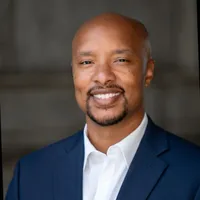
Jeff Diana
High Growth Consultant, Advising For Impact LLC
TRANSFORM EPISODE: Jeff Diana, High Growth Consultant at Advising For Impact LLC
Episode 154 · April 9, 2025 · 12:26
TRANSFORM EPISODE: Jeff Diana, High Growth Consultant at Advising For Impact LLC
Key moments
In Jeff's words
“You've gotta tie your pitch to short-term outcomes. The days of saying we ought to do this, or it's the right thing to do, or in the long term we need to do this, is not recognizing the macro environment right now.”
“I've just declared it. I've told the organization, I'm not the happiness police. I'm not here to care about employee satisfaction... I'm focused on productivity.”
“I pride myself on being able to pitch the P&L as well as the CFO can.”
Transcript
Read the transcript2,275 words
SpeakerWelcome to the Built by People podcast, where we share the stories and insights of the world's top HR leaders. Join us as we dive deep into the minds of HR executives, uncovering their strategies, challenges, and triumphs in shaping today's workforce.
HostI'm excited to welcome Jeff to the Built by People podcast. Jeff, thank you so much for joining us. And as a starting question, I always love to ask if you could share a little bit more about your career journey.
GuestSure. First of all, thanks for having me. Excited to be part of the podcast. My career journey, I think I always like to point out what might be a little different in people's journeys. I think for me, there's probably two elements that are unique. One, I started on the academic track, so I thought I'd do the university professor thing. Got to all but dissertation after my master's and realized I needed to get inside organizations to drive impact. So made the jump and started with BellSouth, which was a Fortune 500. The other thing I think that's interesting about my background is I started at really large scale. In fact, I really cut my teeth at GE back when Jack Welch was running the place and have split down in terms of size of orgs since then to Microsoft, to a bunch of others. And I've found where my zone of genius or my happiness is highest, and that's in the growth curve as businesses are really trying to scale up and figure out how to be sustainable long-term entities.
HostJeff, we talked in the past about repositioning HR from a reactive proactive function. Can you share specific examples of how you've successfully transformed HR into a business driver at organizations you've led?
GuestYeah, sure. I'll give you a host of examples and you can cut me off if we're covering too many, but it's one of the things I'm actually most proud about in my career is that shift to being more business-oriented and more proactive. I'll start with Chesco Insurance, 100-year-old-plus insurance company, been around forever, one of the bellwethers of the Northwest. And when I joined them, they had brought in a new CEO that was really focused on how do we drive innovation inside the insurance industry. And then we were looking at a complete transformation of the business. And without it being spoken, we had to look at what are those elements that had to change. One of the things we did was we created something called Leadership Trace because we had to take a long-tenured workforce and talk about how we had to operate very differently. We had to be way more nimble. We had to be way more creative, way more customer-oriented. So we put these in place. We wove them into how we hire, how we promoted, how we rewarded. We took on the largest overhaul of the total rewards systems we had in the company's history. We got rid of a retirement plan. We put in a 401(k) match. We actually put in the first equity program for the organization to go after high performers. And lastly, at Safeco, we created a new business unit just for innovation, its own physical space. Different branding, different reward systems to really drive and seed innovation in what's a fairly traditional industry. So that's probably where I first cut my teeth from a CHRO perspective doing that. SuccessFactors is probably the easiest and best example I can give you. Now, selfishly, that's because what do we do? We did a software for HR pros. So we were inherently more in the business, but 3 main things I did at SuccessFactors that were relevant. One was we took on the lead role in our product roadmap. So I helped lead M&A with our chief product officer and CTO on new technologies. We created Drinking Our Own Champagne initiative, which was how do we land all of our own technology as best users. That led me to certifying my direct reports and myself in sales. We went to sales boot camp, took our own quota, and I made sales club every year I was there by actually being out selling the solutions to our peers. Which at that time was very innovative to have the HR folks in the sales cycle. And lastly, just doing investor and conferences for Lars, the CEO, a lot of time in front of analysts on why we care about it, how are we using it, where do we see the trends going? And that played a big role in the growth of the business. At Atlassian, the PR, if you know much about Atlassian product-led growth, the founders of that motion, but I realized very quickly that given that our buyers were individuals and teams, they really cared about what we stood for around collaboration and people and spent a lot of time doing PR-related work, talking about our best-in-class processes. And that work has now taken on a life of its own where they are known as the leaders in team collaboration thought leadership in addition to the products that I— more tangibly at Atlassian, as we were scaling, I spent a lot of time looking at the footprint and I actually helped push the business to set up our first shared service center in the Philippines, brought in finance, brought in customer support, and a bunch of other activities into that space to just drive scale and cost infrastructure, helping a scaling business see that. Lastly, I'll use Calendly for you, which was perhaps a little different angle to that, another hypergrowth business, but earlier in scale. And perhaps the greatest impact we had there in the HR function was showcasing what a high-performing organization could look like. How did we run our operating rhythm? How were we more intentional around performance feedback? What did our PMO look like? Because we were known as putting out the greatest volume of efficient programs, trying to play catch up with a business that had been around a while. And then how did we impact strategic planning by thinking further ahead around the business? So, Ned, I think there's lots of really tangible ways you can move your function from reactive to proactive, as long as you're pulling on the right dials that matter to the business.
HostJeff, in today's market where HR budgets are really tight, what are some strategies that you've found to be most effective in making compelling business cases for HR initiatives?
GuestI'll start with the first thing is like you have to have credibility in your business, and that starts by talking business, knowing the numbers, right? If you can do that and speak as well as the CFO can around the financials or the salesperson can around LTV to CAC ratios and whatnot. You immediately will have credibility to be heard from. So that's number one. Number two is you've gotta tie your pitch to short-term outcomes. The days of saying we ought to do this, or it's the right thing to do, or in the long term we need to do this, is not recognizing the macro environment right now, right? Businesses are going quarter to quarter. They're in a leaner investment cycle. They're in rougher financial terms and valuations. So you've gotta tie things to shorter-term impact. Which by the way, you can on virtually everything we do. We tend to just talk about the long-term or it's the right thing to do. So avoid that. And lastly, another tactical thing to do is find a C-level co-sponsor. There's virtually nothing you're going to drive in the HR chair that doesn't have impact on the business if you're choosing well, and therefore won't have interest from your peers. So if you can get someone who really sees what you're driving is critical to their success, and they co-sponsor you from the beginning, you're much more likely to win those budget dollars.
HostJeff, throughout your career, what have been really key differentiators that have helped you position HR as a strategic business partner rather than just the happiness police?
GuestYeah, I think one thing I've done in every stop I've been at, it might be a little controversial. I've just declared it. I've told the organization, I'm not the happiness police. I'm not here to care about employee satisfaction. And once people are done shocking, right, with their jaws dropping, how could you say that? I explained the comment, which is I want people to be highly productive. I want a highly productive organization. Of course, if people aren't happy, they're not going to be productive, but I'm not focused on happiness. I'm focused on productivity. So one is declaring it. That's an important way to do it. One is what we mentioned already, know the numbers. Like I pride myself on being able to pitch the P&L as well as the CFO can. And if you know the numbers, I think you can be in a much more strategic business. And then lastly, coach the business on what matters. There's so many things you can go work on. Focus on the things that have the most critical business impact from a driver perspective. If you pull the right levers and you focus on coaching leaders on that, you are going to elevate your impact through others in a real material way.
HostJeff, you've expressed frustration about where the HR market currently stands, what do you believe are the biggest obstacles preventing HR from reaching its full potential and how can HR leaders overcome them?
GuestYeah, I hope I never hear seat at the table again in my career. We're still talking about it and every function has been in that position. No one hands it to you. You've gotta earn it. So I start with don't have a victim mentality. I think we still have a little bit of woe is me mentality in the function. I mentioned know the numbers, right? You can, Easily know the numbers of your business in great detail, and that's a way to have more voice and impact. Be proactive, be aggressive. I think we still are a reactive function and wait to support and enable others. That's never really been my philosophy in driving the function. And lastly, a really tangible one, and this is a really good one because I gotta tell you, Dave, HR sucks at this. Market your work. Like, we're just not good at figuring out how we market internally and externally the value of what we're driving. We just do the work. And that really hurts us in terms of getting the respect and credibility we need.
HostJeff, with your extensive experience across companies like Microsoft and Safeco Insurance, what fundamental shifts have you seen in how successful HR leaders operate versus those who struggle to make an impact?
GuestYeah, I think being data-driven is definitely one. We talked about it for a long time, but in recent years and with AI and other things, there's a requirement now that we're more data-oriented, not that it's a nice-to-have. So the ones that are really winning are very data-oriented. They know the various elements of the business. They also know the data and the macro environment out there, and they take that into account.
HostSuper important.
GuestI'm also seeing people that are really product and customer driven. It's not that they just focus on the HR stuff. They literally spend time getting certified in the product, knowing the roadmap, spending time with customers. Those tend to be ways to differentiate. And lastly, I'd say the thing with the most successful HR leaders in this space, they're strategic influencers. They spend the time strategizing and planning who they have to move, how they're going to move them inside the organization, in the boardroom, to maximize their voice and their impact. And so spending that time on strategically influencing others is another key differentiator.
SpeakerJeff, what parting advice would you like
Hostto share with our community?
GuestThe first thing I would say is, look, we have the greatest impact in my career's time of having impact, right? Everyone looks at the tough, challenging times. We're back to a lean mindset, which means we can be about the business, not about this ancillary perk thing, who can one-up who. So one part of it is be excited about what's in front of you. Next, I would say out-knowledge others. We, you have the ability to understand the business and the macro conditions better than others. Did you know in the last 30 days, the US stock markets have lost over $4 trillion in value, right? Inflation's over 3%. Housing's up 4.5%. Cars are up 12%. Know the macro and your business environment is one. And then lastly, I would say focus on the business and talk business. You'll never hear me speak HR geek speak. I'm always talking about the business and the business metrics that matter the most. And I think if you follow those things and you get enthusiastic, about the opportunity in front of you, there's never been a greater time to be in HR and to drive business results.
HostJeff, thank you so much for joining us on the Built by People podcast in partnership with Transform. It was a pleasure to have you on.
GuestAwesome to be a part of it. Love what you all are doing and, uh, look forward to seeing future podcasts that you put out.
More conversations like this