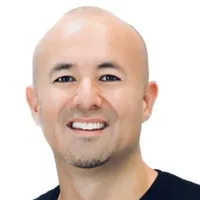
Paul Brubaker
VP Human Resources - US
KARL STORZ
Strategic HR: Driving ROI and Building Resilience Through Human Connections
Thesis
“HR must operate as a strategic business unit, demonstrating measurable value and ROI, while also prioritizing the human element and ethical decision-making, particularly during times of crisis and career transition.”
What you'll take away
- 01Approach HR with a business and finance mindset, focusing on ROI and cost control, and timing requests strategically within the business cycle.
- 02Actively recruit veterans, providing support for resume translation, as they offer valuable training, commitment, and diversity to the workforce.
- 03Cultivate an authentic, deep professional network, going beyond superficial connections, as it is invaluable for career resilience and opportunity, especially during transitions.
- 04Balance business metrics with human empathy in HR decisions, especially during challenging times like layoffs or natural disasters, ensuring fairness and demonstrating care.
- 05View every professional endeavor as a 'self-portrait,' committing to consistent quality and integrity to build a strong personal and professional brand.


What most organizations get wrong
- Networking isn't about the quantity of LinkedIn connections, but the quality of authentic relationships built through intentional engagement, challenging the modern emphasis on digital network size.
- HR should critically evaluate itself as a 'cost center,' actively seeking to quantify and articulate its ROI to the business rather than being perceived as purely supportive without clear financial justification.
- The 'harder decisions' in HR are often the 'soft ones' related to human-centric issues during crises, rather than purely data-driven financial decisions, which challenges a common perception of decision difficulty.
In Paul's words
“I look at it as a business and we are part of the business. We help the business function better, hopefully. We're a cost center.”
This quote encapsulates his core philosophy of treating HR as a strategic, value-driven business unit.
“You almost need to have your hiring managers have a class in how to read the resume. And you really need somebody to be helping the veterans fix their resume so that they read so people can understand.”
He highlights a practical barrier for veteran hiring and suggests a clear solution for companies.
“It's not about how many people do you know on LinkedIn? In fact, I refuse many or most on LinkedIn that are cold, that they just send a note, I want to be part of your network. And there's no value in that for them or for me, really. I'm another number.”
This statement challenges the conventional wisdom of superficial networking and advocates for genuine connection.
“But the harder roles or the harder decisions really are the soft ones.”
He offers a contrarian perspective on decision-making, emphasizing the complexity of human-centric choices over purely financial ones.
“Every job you do is a self-portrait. You leave behind your brand. This is your brand. So you need to deliver.”
This quote provides a memorable metaphor for the importance of consistent quality and integrity in one's work.
The problems this episode addresses
- Organizations struggle to effectively translate military experience on resumes into corporate skill sets, hindering veteran hiring efforts.
- HR departments are often perceived as cost centers without clear ROI, making it difficult to justify investments and strategic initiatives to leadership.
- Professionals face significant challenges navigating career transitions and job loss, especially when lacking a strong, authentic professional network.
- Companies grapple with making 'soft' human-element decisions during crises (e.g., natural disasters, layoffs) while maintaining fairness, consistency, and organizational values.
- Measuring the true cost and effectiveness of internal recruiting against external outsourcing options is a challenge for many HR leaders.
In this episode
Built by People podcast features insights from world's top HR leaders
Built by People
Dave Storz shares a little bit about his career journey
How I Went From Finance to HR
Paul: I look at HR as a business and we are part of business
Paul Feuerstein on Human Resources and Talent Management
Carl's Stores has been really passionate about hiring veterans at its stores
Carl's Stores Hiring Veterans
Paul learned about the importance of networking during career transitions
Paul Hewitt on Networking During Career Transition
Paul sees HR as a business unit that needs to deliver value
Paul, HR as a Business Unit
Paul, any advice you'd like to share with our audience? Network, network, network
Paul Hewitt on Networking
Topics covered
Organizations and entities mentioned
Full transcript
Expand transcript (0 words)
Transcript is not available yet.