Episode 312 · August 25, 2025 · 12:26
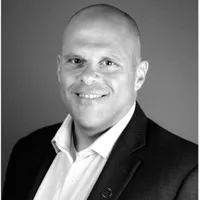
Larry Ott
SVP & CHRO, Cooper Standard
Beyond HR Support: Mastering Business Strategy for Unbeatable Talent & Financial Gains
Episode 312 · August 25, 2025 · 12:26
Beyond HR Support: Mastering Business Strategy for Unbeatable Talent & Financial Gains
Key moments
In Larry's words
“Well, first of all, we've, we've kind of migrated toward calling it something else. We call it flexible work. And in my entire time, we've utilized a flexible work approach such that You know, 12 years ago we had people working some days at home based on geographics, life situation, et cetera, young kids at home.”
“What I, what I say to people is if, you know, certainly we have an HR strategy and, you know, I lead that in conjunction with my direct reports. But what I tell folks is I would much rather have you memorize the corporate strategy and what we're trying to do in the business, understand how we, we make money, how we lose money. And I would much rather have you understand that at a deep level, more so than my HR strategy...”
“I don't look for party planners. And that might sound derogatory, but there's still a lot of people out there think that, you know, when you want to have some celebration, you go to the HR person, they do it. I try not to do that. Anybody can plan a party. It's not very strategic.”
Transcript
Read the transcript2,116 words
HostWelcome to the Built by People podcast, where we share the stories and insights of the world's top HR leaders. Join us as we dive deep into the minds of HR executives, uncovering their strategies, challenges, and triumphs in shaping today's workforce. Larry, thank you so much for joining us today. And as a starting question, I always love to ask if you could share a little bit more about your career journey.
GuestThanks. And it's— and I'm pleased to be here and spend some time with you. I was born and raised in central Wisconsin, went to a state school there, studied business, econ, and English. And then got my MBA at the University of Michigan in Ann Arbor, which gave me kind of an opportunity to join a company like GM where I was for 22 and a half years. You know, there I spent time in HR, what we used to call salary personnel, labor relations, and a short, short cup of coffee in manufacturing. I was there for 22 and a half years. I left GM to go to GMAC, which is now Ally Financial. And was part of the spinoff to Cerberus, 51%, back coming up on 20 years ago already. And there I supported, I really led the transition from, you know, 100% owned by GM to a standalone company. And I supported directly most of the lines of business, auto finance, insurance, and commercial. Finance. I had a desire to get back into manufacturing. I was at GMAC Ally for 4 and a half years. So I was able to get the CHRO role at Arbonne-Meritor, which became Meritor and is now owned, was sold to Cummins Engine. I was there for 3 years as the CHRO and kind of wanted to get back into commercial or passenger vehicle as Meritor was commercial. I wanted to get back into what I really knew and grew up in the auto industry. And that was Cooper Standard. We make sealing systems, fuel and brake lines and hoses for basically everybody in the industry. We're tier 1. And I've been there for, it'll be 12 years next month. So if you do all the math, it's 40, 42 years that I've been at it. So it's a long time.
HostWhat a, what a great introduction and a great career that you've led, Larry. We're going to jump into our first topic around remote work. Larry, what is your take on remote work and how have you made remote work work for employees at CooperStandard?
GuestWell, first of all, we've, we've kind of migrated toward calling it something else. We call it flexible work. And in my entire time, we've utilized a flexible work approach such that You know, 12 years ago we had people working some days at home based on geographics, life situation, et cetera, young kids at home. So we've always, always kind of utilized that approach. When COVID hit, obviously it forced us into a different situation. And when I talk about that, I'm talking about office people, not plants, because we've got 58 plants and obviously those people in the plants go to the plant to work every day. We, at the start, we couldn't have people in the office. We weren't considered to be critical in terms of those jobs. Plant jobs, different story. And so we've really maintained a flexible approach. Unlike most everybody else in our space, including the OEMs, we've utilized mandatory required attendance in the office, in our headquarters office, in very rare circumstances. We have not experienced what I would call poor performance driven by lack of collaboration. We've not experienced that. Our company performance has done nothing but improve in the time since, you know, we kind of started to step away or step out of the, you know, the net of COVID Our people appreciate it. It's a flexibility that they wouldn't get elsewhere. And we truly are an outlier. Most everybody in our space has done some type of mandatory, whether it's 3 days in the office, 4 days in the office. We've had one. Area where we've currently required the people on that team to be in 3 days a week. Other than that, it's leader-led. Leader, you know, leaders can decide what they want to do. And they typically do that in conjunction with, you know, the needs of their employees.
HostLarry, what's one surprise you've hit with remote work and how did you turn it into a win?
GuestWell, the surprise I have, you know, I clearly am a baby boomer. My surprise was how well the baby boomers and Gen Xers took to it. I was not the type of person who ever expected to be able to work from home. I mean, I didn't even understand the technical setup I needed and had to ask my admin the last day we were in the office during the outset of COVID what I needed to do to hook up at home. It is, it has been a surprise to me that those two generations have taken to it the way they have. And I'm really happy about that because it really kind of sets the stage. I had already mentioned that our employees appreciate the flexibility. And one of the— what that has given us is it's given us a competitive advantage when it comes to recruiting talent. Again, not many others in our— in fact, I'm not aware of any others in our space who have been as flexible as we have.
HostI want to switch gears and now talk about HR as a strategic business partner. How do you make sure that HR syncs with the company's big picture goals? And can you share a time HR really moved the needle?
GuestYeah. What I, what I say to people is if, you know, certainly we have an HR strategy and, you know, I lead that in conjunction with my direct reports. But what I tell folks is I would much rather have you memorize the corporate strategy and what we're trying to do in the business, understand how we, we make money, how we lose money. And I would much rather have you understand that at a deep level, more so than my HR strategy, which if you want to, you can go and look up. I've always kind of taken that approach. I think part of that was driven by the fact that I, you know, I got an MBA where you study all aspects of the business, not just one. We've done some things here at CooperStandard. You know, we did a pension cessation in the US here where financially And it was good for the people. I don't want to sound like, like we dumped our pension plan, but it was good for the people in terms of who picked it up, took the assets, took the liabilities. But we, we performed in such a way that we brought a significant amount of money to, to the company from a cash flow perspective. And it was really led by my, my benefits team. In the past, as we've done reductions in force, you know, my boss looks to me to take a leadership role in, in driving it, not just being the, the HR team that's, that's tracking the progress, but he looks to me to drive it. The, the people that I put on my team understand that that's what I look for from them. I don't look for people who sit in meetings and take notes. I mean, certainly you can take notes, but I want them elbows on the table contributing. I don't look for party planners. And that might sound derogatory, but there's still a lot of people out there think that, you know, when you want to have some celebration, you go to the HR person, they do it. I try not to do that. Anybody can plan a party. It's not very strategic. So those are the expectations I've got in my team. And, and, uh, that's kind of what we focus on. CooperStandard, a number of years ago, we developed what we call CooperStandard University. And within that, we have functional colleges and the leaders of the respective functions are the deans. And so I'm the Dean of the HR College, and I kind of set the tone in terms of what I want our team focused on learning and development-wise with an eye toward what I want the team to look like in the future when I'm playing golf all the time and, and not working anymore. So we've always really kind of taken that approach. The organization expects us, expects it from us. And I tell my folks, when you go to a respective staff meeting, Take your HR hat off when you walk in. You can put it back on when you walk out, but be a business leader, business thinker.
HostLarry, what's been a game-changing moment when you went from traditional HR to a strategic partner? And what advice would you give to other HR professionals looking to make that same transition?
GuestWell, for me, it happened very early in my GM career where, as I changed jobs, HR business partner roles. I would always spend time out in the organization trying to understand what people did and how their contribution fit into what we were trying to do from a business perspective. My first HR business partner role was at the GM Proving Grounds way back in the day. And I rode with test drivers. I went to labs. I wanted to find out what they did and why they did it. So for me, I can't think of a single point where I decided I needed to make a change or make a transition. I would say that the understanding of that just got stronger through the years. My ability to communicate that got stronger through the years. My expectations of my team became very clear. And when I talk to young folks and they ask me, what, what is it really that you look for? And I guess this is where I would say the advice comes in. I want people with business acumen. So to, to my earlier point, understand what it takes for us to make money and what happens when we lose money. Analytical capability. A lot of times people think about analytical capability only in terms of quantitative, but I think about it in terms of qualitative as well. So being able to read a situation, identify the problems, identify potential solutions, be able to decide on which solution makes the most sense, and then put it into execution mode. To me, that's a different variety of analytical ability. And the other thing I tell people is get a lot of experiences. When you're young in your career, don't, don't try to go deep in a particular area. Go broad. You don't want to go deep when you're 24 years old, and when you're 35, you wake up and say, you know what? I hate what I do and I've hated it for 11 years. It's more difficult then to, uh, to get broad after you've been established and maybe typecast, uh, in a way. So those are some things that I would, uh, offer up as advice.
HostLarry, what parting advice would you like to share with our community?
GuestReally, it goes back to those, those 3 things. Learn the business, understand what it makes, what makes it tick, be able to be able to talk the language. And, and there is a part of that analytical ability is being able to talk the language. So to understand what goes into, what drives high inventory, why we're concerned about in our industry, lowering our tooling costs, what is adjusted EBITDA? You know, what's the difference between adjusted EBITDA and net income? Be able to talk all of that language. You'll get instantaneous respect from the rest of the organization. Also, and this is just a pet peeve of mine, I don't like being described as a support function. I tell my people, don't refer to yourself as a support function, otherwise you will become one. You know, you're part of the business and it's a critical part of the business. Behave like you are, not, not just a support function.
HostLarry, thank you so much for joining us today on the Built By People podcast. It was a pleasure to have you involved.
GuestWell, thank you very much. I enjoyed it.
More conversations like this