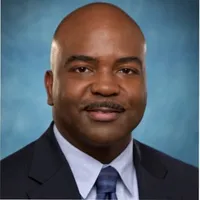
Kimberly Saied
Senior Director of People Experience
Innovaccer
HR's New Mandate: Holistic Employee Experience, Not Just Engagement
Thesis
“The modern workforce, particularly younger generations, demands a holistic employee experience rather than just engagement, requiring HR leaders to combine empathy with data-driven insights to foster wellbeing, drive performance, and make strategic decisions.”
What you'll take away
- 01Prioritize a holistic employee experience, moving beyond traditional engagement, especially to meet the evolving expectations of the modern, generationally diverse workforce.
- 02Implement low-budget employee experience enhancements like recognition programs, open feedback forums, peer-led wellbeing initiatives, regular check-ins, and mentorship opportunities.
- 03Consider a captive health plan as a hybrid solution to gain better visibility into claims data, retain rebates, and offer flexible benefit adjustments while potentially saving significant costs.
- 04In global HR and workforce mobility, rely on strong immigration partners, proactively review policies, and strategically balance external hiring with internal talent development.
- 05Leverage HR technology platforms (e.g., Workday, Culture Amp, Lattice) for automation in feedback, performance, goal setting, and career development, exploring low-code/no-code alternatives for cost efficiency.
- 06Lead with empathy backed by data to effectively support employees, influence leadership, demonstrate the impact of HR initiatives, and ensure policies align with company culture.


What most organizations get wrong
- Kimberly suggests that organizations are often too focused on external recruitment and should instead look more internally for talent development, especially given the complexities of global workforce mobility.
In Kimberly's words
“people today coming into the workforce don't want to do things the same way that their parents did. They want to have more of that balance, they want to be able to have more of a holistic employee experience.”
Highlights the generational shift in workforce expectations, emphasizing the demand for work-life balance and comprehensive experience.
“So there are things you can do that don't require a big budget, such as Just having recognition programs, employee feedback loops.”
Provides practical, actionable advice for improving employee experience without significant financial investment.
“the captive plan, health plan is a hybrid plan, which is a combination of a self-insured plan, but it also gives you the flexibility to bring in a TPA, have a rented network.”
Clearly defines the captive healthcare model and explains its key benefits for organizations.
“I think a lot of times we're very focused on looking externally and seeing what we can find in terms of employees outside of our organization. I think we've gotten very used to doing that, where now we should be looking more internally.”
Challenges the conventional approach to talent acquisition, advocating for a greater focus on internal talent mobility and development.
“I think the biggest thing now for HR leaders today is to lead with empathy, but backed by data.”
Offers a concise and powerful guiding principle for effective modern HR leadership, balancing human connection with strategic insights.
The problems this episode addresses
- Organizations are struggling to retain talent because their 'employee engagement' initiatives are outdated and don't meet the holistic needs of today's workforce.
- Companies are incurring high, inflexible healthcare costs with fully funded plans, lacking transparency into claims data and the ability to customize benefits efficiently.
- HR departments are overwhelmed by the rapid changes in immigration laws and global workforce mobility, leading to operational bottlenecks and challenges in filling specialized roles from overseas.
- HR leaders need to implement robust feedback, performance, and career development programs but face budget constraints or complexity with expensive enterprise HR tech solutions.
- HR executives find it difficult to articulate the strategic value and ROI of people initiatives to leadership without credible data to support their decisions.
In this episode
Built by People podcast features insights from world's top HR leaders
Built by People
Dave: My career journey has spanned over about 20 years
WSJD Live: Career Paths
Kim recently wrote about the evolution from employee engagement to employee experience
Employee Experience: The Evolving Shift
Kim, you implemented a captive healthcare program that saved your organization over $500,000
Employers benefit from captive healthcare program
Kim, with extensive experience in immigration and global HR, discusses workforce mobility
The Landscape of Workforce Mobility
Kim says technology can help you create sustainable HR programs
Kim Lee on How to Build Sustainable HR Programs
Topics covered
Organizations and entities mentioned
Full transcript
Expand transcript (0 words)
Transcript is not available yet.