Episode 331 · September 23, 2025 · 8:37
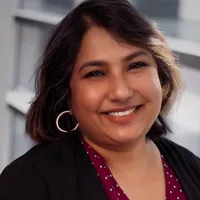
Kelly Stover
Chief People Officer, Janus Health
The surprising truth: Human-centric HR leadership drives undeniable growth
Episode 331 · September 23, 2025 · 8:37
The surprising truth: Human-centric HR leadership drives undeniable growth
Key moments
In Kelly's words
“I have really tried to define my career by having time in multiple different industries.”
“You should never be comfortable. You should always push yourself to be a little uncomfortable in what you're doing... I think sometimes the greatest learning in your career comes from when you have failures...”
“I want to provide that space for other leaders where they can grow and have that ability to say, hey, let's celebrate you both personally and professionally. You don't have to be just one side and be totally focused in this one area.”
Transcript
Read the transcript1,672 words
IntroWelcome to the Built by People podcast, where we share the stories and insights of the world's top HR leaders. Join us as we dive deep into the minds of HR executives, uncovering their strategies, challenges, and triumphs in shaping today's workforce.
HostI'm excited to welcome Kelly to the Built by People podcast. Kelly, thank you so much for joining us today. And as a starting question, I always love to ask if you could share a little bit more about your career journey.
GuestSure. Yes, Dave, thank you so much for having me. I'm excited to be here. I have been in HR for over 30 years. It seems amazing that it's been that long, but I have definitely found my passion here. I started in labor relations in Southern California and working with multiple unions, contracts, different things in that space. I jumped into CPG and spent a great deal of time there in manufacturing and logistics, both in kind of middle country, if you will, and then out on the East Coast in the DC area. I jumped into manufacturing as well and spent time kind of up and down the Eastern Seaboard, and then really found a love for fulfillment and warehousing and moved again kind of to the Mid-Atlantic and then down south. But I feel like I have spent so much time in every different area of HR and have really tried to define my career by having time in multiple different industries.
HostKelly, how do you, how do you think that's shaped your approach to HR, having this broad set of experience across industries? You know, because a lot of people will take the path of just staying in one industry and niching down in that one area over time, but you've, You've done the opposite of that, and there's certainly some benefit that comes with taking that approach, and I'd love for you to speak on it.
GuestSure. No, I, you know, I really do think there's some benefit that comes from it. I think it allows you to consistently stay fresh in how you look at not only your people strategy and in kind of how you're approaching different things, whether it be headcount management or benefits. I think you really can pick any area. It teaches you to think differently. And I truly believe that there's benefits to both, to staying in an area for a long period of time, but my path, it just seemed to fit with my personality and my idea of, I consider myself a lifelong learner, and I feel like a lot of my moves or changes in organization or industry were driven by the fact that I wanted to learn more, and I was seeking out that knowledge, and that's why I adjusted and move to where I felt like I could grow in a different space.
HostTo some, that move might feel intimidating, right? It's like, oh, wow, I'm going to go work at an AI company, or I'm going to go work in manufacturing. I've never done that before. What would you tell people who might feel intimidated to pursue something that new? Do you have any insight to share on how to develop readiness to jump into those new opportunities and feel like you can hit the ground running? In those new environments?
GuestYeah, I think the biggest thing, and I think it's a great question, I think the biggest thing that I look at is you should never be comfortable. You should always push yourself to be a little uncomfortable in what you're doing. You should try things and have that risk involved in that you're not going to be successful at everything. In fact, I think sometimes the greatest learning in your career comes from when you have failures, and when you have areas where you really have to all of a sudden adjust quickly and try to dive into how to do something. I think that's where my, some of my greatest learnings have been. And so I would share that with others and say, seek out those opportunities, seek out those areas where maybe, you know, you'll have failure, or you might have an 80% chance of getting something completed, and, and you're going to try to learn from that.
HostKelly, can you tell us about a career-defining moment in your HR, your time as an HR professional?
GuestI smile, Dave. I think it's amazing to me. In 30 years, I think I've had so many, so many different career-defining moments, but One that comes to mind for me is, I think, when I decided what type of leader I would be, what type of HR professional I would be moving forward. I had a situation where I was working for two different leaders. I was covering multiple areas. And I had come to find out that I was actually— that we were expecting again. My husband and I were expecting, and it was very exciting. One of my leaders said to me, well, you've voted, haven't you? You've told me how you feel about your career and what you're going to focus on. You're going to go and take an 8- to 12-week vacation. And that's how they viewed this. My maternity leave and all of this adding to my family, I had another leader that said, very excited for you, so excited, and actually prayed for me continuously throughout my pregnancy and would talk to me about that. And it was so meaningful, Dave, to me that I, as I looked at it, I was like, this is the one, this is the area that I want to be. I want to go and be this person that allows me to have the values and live to my values, both personally and professionally. And I want to provide that space for other leaders where they can grow and have that ability to say, hey, let's celebrate you both personally and professionally. You don't have to be just one side and be totally focused in this one area. And so I really, when I look at my career after that point, I have really tried to make sure that I bring kind of that human element, that, you know, investing in what my people are doing both personally and professionally.
HostKelly, can you tell us about a challenge that you faced in your career and how you've overcome it?
GuestYes, I joined a few different organizations where data was king, and it was probably mid-career, Dave, where the data was just, you have to come and sit at the table from an HR perspective. You have to be able to analyze data and talk through it. You also at times would need to have what I would consider a more aggressive approach or a more extremely assertive approach at the table. My style is a bit different in that I like to observe and listen and understand what people are seeking. Maybe sometimes they don't understand it themselves, but I try to understand where they're going or what they're trying to get to. And then help them adjust and kind of go that direction with the data that I have versus coming in and saying, you must do this, this is the data, this is what it tells us. And I offer that as a challenge because I think it was a challenge to stay true to my style and what I was trying to do as an individual versus adjusting and becoming a bit more aggressive in my style. And it just didn't fit my personality or the way that I wanted to approach my business clients. So I overcame it by showing people in these two different industries that I could still get to the right place, even if I went about it a little bit differently.
HostKelly, what's a legacy you hope to leave as an HR leader and why?
GuestI think a lot about this, and I think we talk a lot about it. Everyone, you know, what's your, what's your mission? What's your legacy? What are you doing? As a, as an individual, what I would say is the legacy that I want to leave is creating a space where that human element, that caring element remains within HR and within leadership. I think it's a lost art in a lot of businesses, and it's very important to me that people understand that there are leaders out there that want to invest in them, that they want to help them get to a better place, whether it be helping them through a challenge or a question or a career move, or even something on the personal side that maybe they need assistance with. And I, I think, and I would like to think, Dave, if you ask somebody that I've worked with or that's worked for me, that they would tell you that I do bring that human element and that leadership style to where I'm at. And I leave them in a better position after I'm gone.
HostEllie, what parting advice would you like to share with the broader HR community?
GuestI think it's to really look at where you're working, who you're working with. I think we're in such a dynamic economy right now, you could look and say, these are my core values. This is what I want to do. And this is where I want to go work because they, they have those similar core values, or these leaders that I'm working with allow me to be, you know, who I am in my value set. I think that's extremely important. And so I would tell people to hold onto that and to look for that in what they're doing.
HostAllie, thank you so much for joining us today on the Built by People podcast. It was a pleasure to have you involved.
GuestYes, thank you so much, Dave.
More conversations like this