
Donna Flynn
Chief People Officer
Steelcase
The Untapped HR Advantage: Designing Environments That Earn the Commute
Thesis
“The physical environment profoundly shapes employee behavior and organizational culture, making strategic workspace design a critical, often overlooked, lever for HR leaders to drive engagement, foster inclusion, and achieve business outcomes in the modern hybrid world.”
What you'll take away
- 01HR leaders must view physical workspace as a strategic lever for culture, actively participating with CEOs and real estate leaders to design environments that 'earn the commute' and support business outcomes.
- 02Applying human-centered design, especially inclusive design, to employee experiences (like HR spaces or ERGs) fosters belonging, collaboration, and trust.
- 03Proactive research into emerging workplace trends (e.g., flexibility, well-being) provides a foundational advantage for long-term strategy, even if initially questioned by leadership.
- 04An anthropological lens—emphasizing deep listening, systemic analysis, and identifying opportunities for innovation—is invaluable for driving effective and measurable organizational change.
- 05Prioritize creating compelling reasons for employees to come to the office, focusing on connection, community, and company purpose rather than just tasks.
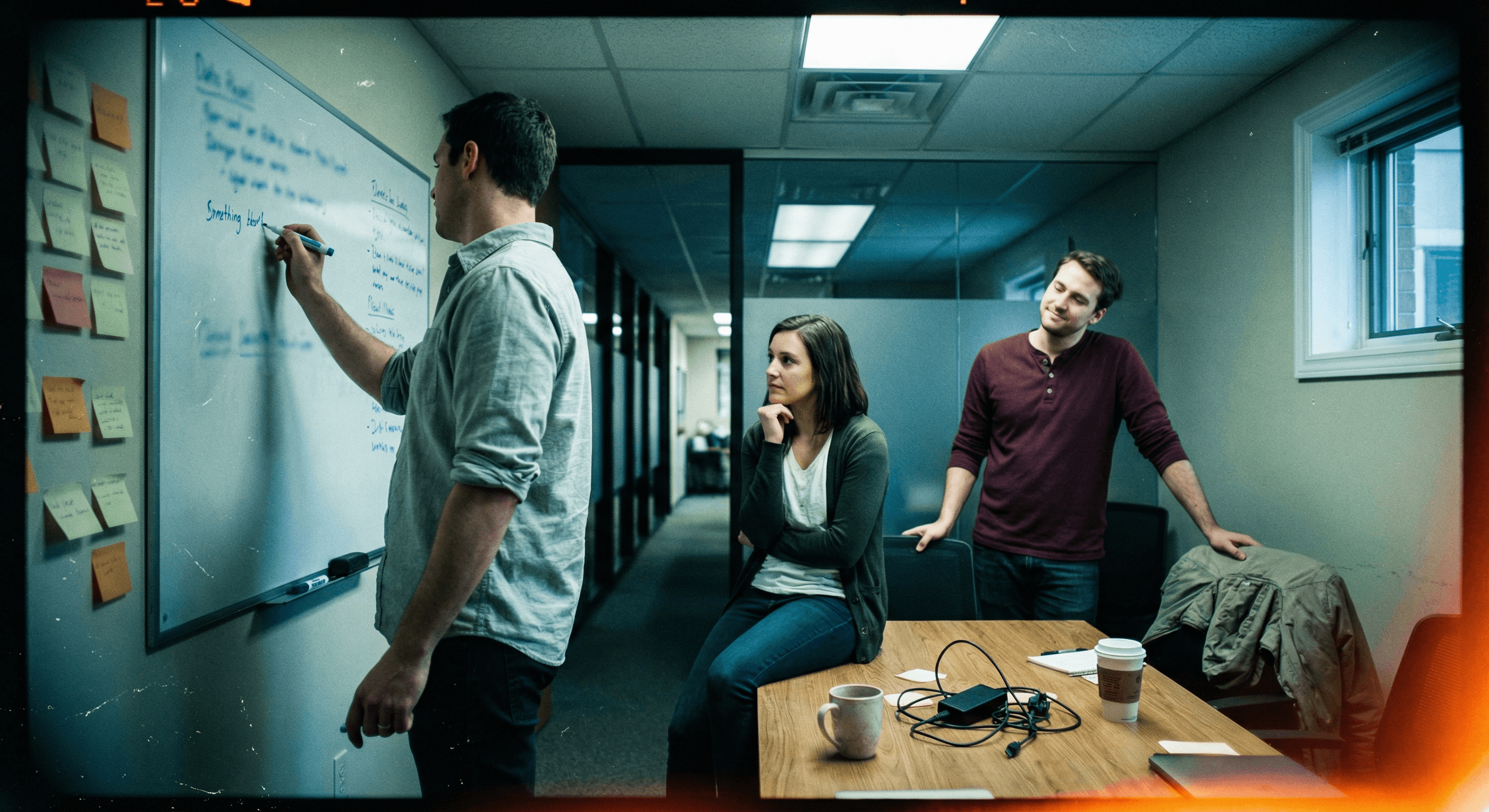
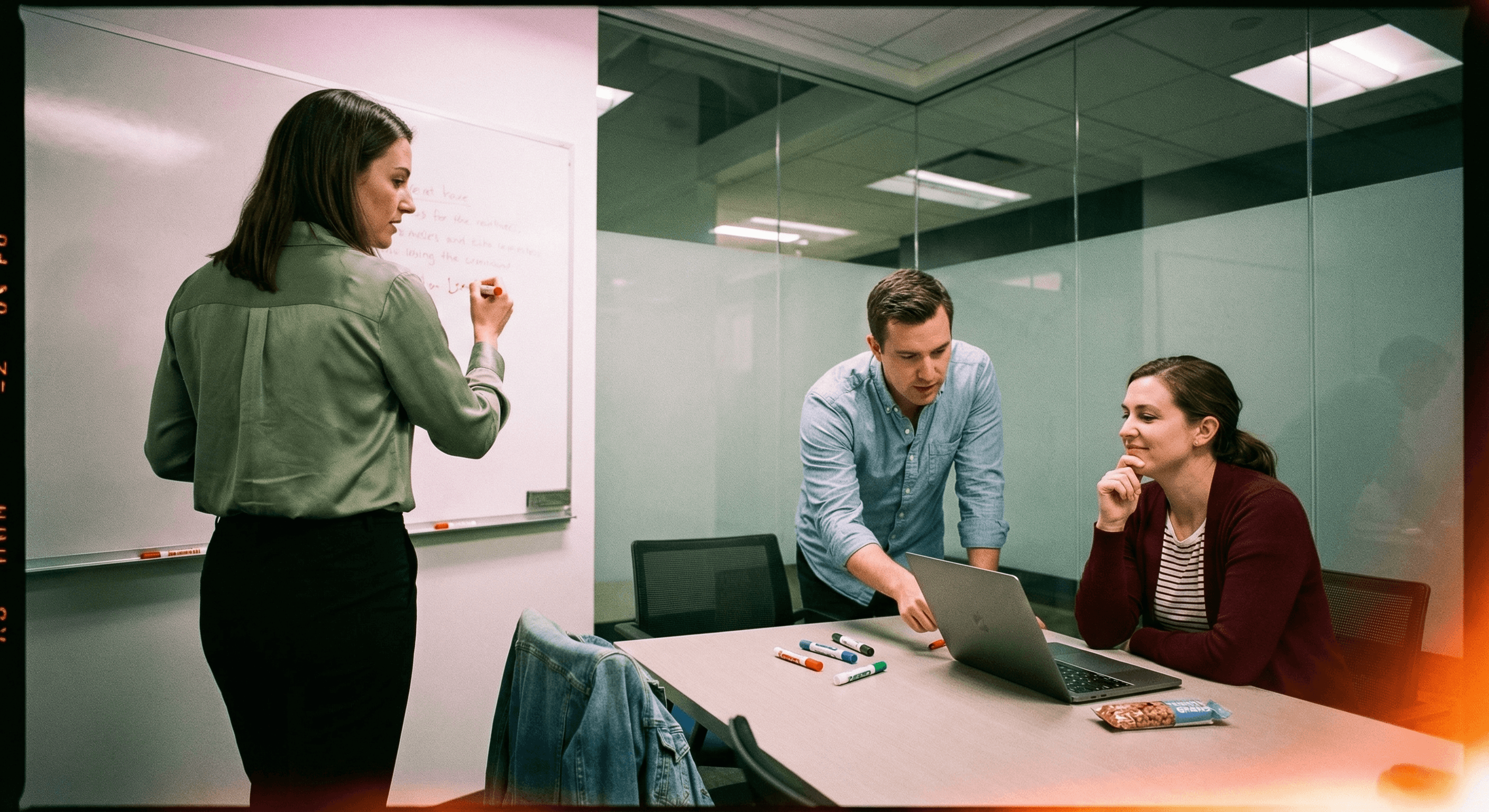
What most organizations get wrong
- The physical workspace is too often overlooked as a strategic lever for culture, despite its profound impact on behavior.
- Investing in 'well-being at work' and mental health research was seen as unconventional 14 years ago, but has proven to be a critical foresight for modern HR.
In Donna's words
“My journey has been a crooked one.”
Highlights her non-traditional and adaptive career trajectory into HR leadership.
“We design work experiences for people.”
Articulates Steelcase's core philosophy, positioning their work beyond just furniture manufacturing.
“Instead of the usual suspects, you need to listen to the unusual suspects.”
Emphasizes the critical importance of inclusive design by seeking out marginalized voices.
“I do anthropology every day, every day in this job.”
Explains how her unique academic background provides a distinct advantage in her Chief People Officer role.
“Space shapes behavior, and behavior over time is culture.”
This is her core thesis statement, succinctly linking physical environment to organizational culture.
“You need to offer a compelling reason for them to come to that space. And that compelling reason is culture.”
Provides actionable advice for designing hybrid work strategies that attract employees to the office.
The problems this episode addresses
- Outdated, siloed office spaces (e.g., gray cubicles, locked doors) can hinder collaboration, reduce engagement, and erode trust within an HR team and across the company.
- Employee Resource Groups (ERGs) that are not thriving, growing, or adequately resourced fail to provide a sense of belonging or community for employees.
- Organizations struggle to define 'why' people should come to the office in a hybrid world, failing to 'earn the commute' of their employees.
- Resistance or skepticism from leadership regarding investment in 'soft' areas like employee well-being and mental health, even if they are critical future trends.
- A lack of systemic analysis and deep listening before implementing DEI initiatives can lead to ineffective programs and missed opportunities for genuine cultural change.
In this episode
Built by People podcast features insights from world's top HR leaders
Built by People
And as a starting question, I always like to ask if you can share a little bit about your career journey
Pivoting in your Career
Donna says reimagining the modern workspace directly impacted employee retention or engagement
Reimagining the modern workspace
Human-centered design at Steelcase helps address unique employee need or challenge
Steelcase: Human-Centered Design
Steelcase invests heavily in research related to the future of work
Steelcase on the Future of Work
Your unique perspective shaped a major HR cultural initiative at Steelcase
Anthropology's role in driving diversity culture
Donna says workspace can be leveraged as a lever for culture
Built by People: The Workplace
Topics covered
Organizations and entities mentioned
Full transcript
Expand transcript (0 words)
Transcript is not available yet.