
Chloe Drew
Chief People Officer
Redox
Beyond the Org Chart: Intentional Culture Transforms HR Leadership Through Change
Thesis
“Effective HR leadership, especially during significant organizational change and economic challenges, requires intentional and sustained cultural efforts, transparency, and a willingness to embrace vulnerability and collaborative knowledge sharing within the HR community.”
What you'll take away
- 01CEO transitions require intentional, sustained cultural change, often underestimated in its ripple effect and the need for constant reinforcement of new values.
- 02Rebuilding employee trust and morale after turmoil, such as layoffs, demands significant time, relentless transparency, and consistent repetition of the strategic direction and 'promised land' messaging.
- 03Achieve a dynamic executive team balance by leveraging external expertise for fresh insights (e.g., product innovation) while promoting internal talent to retain deep institutional knowledge.
- 04Vulnerability in leadership fosters psychological safety and significantly increases effectiveness, leading to better ideas, stronger team collaboration, and a more open environment.
- 05Actively participate in HR peer networks and knowledge-sharing platforms, as the 'wild generosity' of sharing playbooks and mistakes makes the entire HR community smarter and more effective.

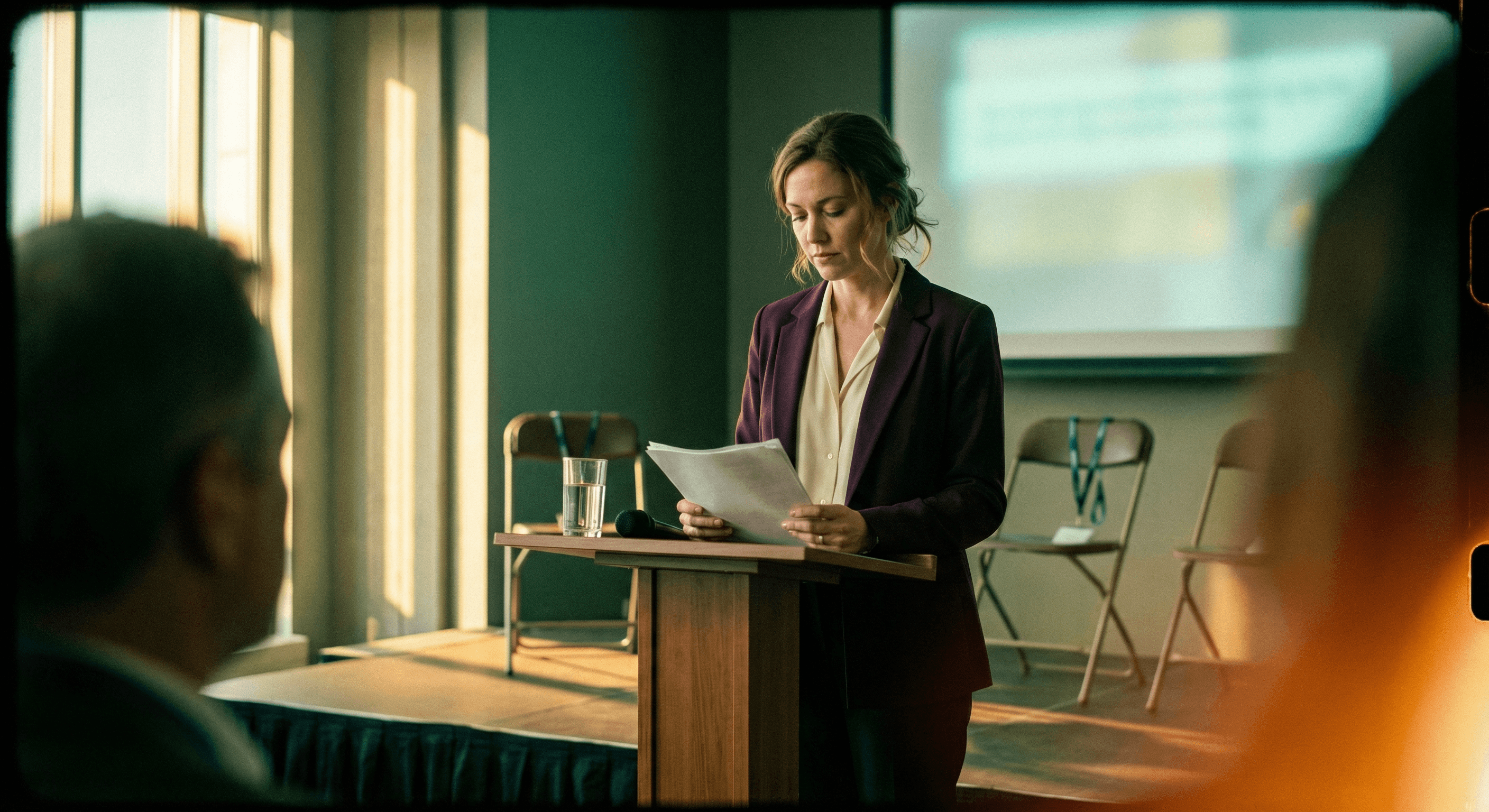
What most organizations get wrong
- Challenges the idea that a CEO transition is merely an executive swap, highlighting it as a profound and underestimated cultural undertaking requiring intentional, sustained effort.
- Refutes the conventional notion that vulnerability is a leadership weakness, arguing instead that openly discussing vulnerabilities enhances effectiveness and psychological safety within teams.
In Chloe's words
“I think the transition of the company happened sort of exactly when it needed to. We were founded by just absolutely passionate, brilliant, founders, and at a certain point we needed a different level of expertise, frankly, just notches on belts.”
Highlights the natural evolution of a company requiring different leadership at various stages of growth.
“what I underestimated was particularly with a CEO transition, what that meant in terms of intentional thought-out, planned, sustained cultural change.”
Emphasizes the deep, often underestimated impact of leadership changes on company culture, requiring deliberate strategic effort.
“the lesson that I learned about regaining people's confidence that there wouldn't be kind of turmoil was it takes a lot of time and it takes every day. It takes transparency, it takes repetition.”
Provides a clear, practical strategy for rebuilding employee trust and morale after difficult periods like layoffs.
“That level of new external insight with folks who've been in this industry for so many years creates this wonderful dynamic and level of insight on the executive team.”
Explains the powerful synergy created by blending internal institutional knowledge with fresh external perspectives.
“People saying, take my tool, here's my playbook, here's the mistake that I made. I wish we hadn't done it this way. So I just see us all being so much smarter and sharper and more vulnerable, and we're all just getting more effective.”
Describes the unique, collaborative knowledge-sharing environment that emerged among HR leaders post-pandemic.
“the more that I have found my own vulnerabilities and talked about them openly with my peers and the people on my team, the minute I started doing that, I found that I was able to be so much more effective.”
Offers a personal and powerful insight into how embracing vulnerability can significantly enhance leadership effectiveness and psychological safety.
The problems this episode addresses
- Companies struggle with intentional, sustained cultural change during major executive transitions, particularly after a CEO change.
- Regaining employee trust and morale after economic downturns and layoffs requires more time and repetition of strategic messaging than typically anticipated.
- Balancing the need for innovative external executive talent with the desire to promote and develop existing internal talent can be challenging.
- HR leaders can feel isolated when facing complex organizational changes, highlighting a need for stronger peer support and knowledge-sharing networks.
- Evolving a company into a more mature organization while preserving the valuable, historical aspects of its original culture presents a delicate balance.
In this episode
Built by People podcast features insights from world's top HR leaders
Built by People
I started out working in politics. I found my way into health technology
In the Elevator With Mayor de Blasio
Your company transitioned from founder-led company to one led by seasoned executives
Have We Reached a New Direction at Work?
How do you maintain employee trust and morale during economic downturns
How to Raise Employee Trust and Morale During a Recession
You've talked about promoting internal talent while bringing in external expertise
Redox has a New Executive Team
How has this shift in knowledge sharing affected the HR community, and what benefits have you seen
How has the Shift in Knowledge Sharing Affect the HR Community?
How do you balance preserving valuable aspects of company culture while evolving into mature organization
The New Redox: A Company's Culture
Chloe says talking about vulnerabilities makes her more effective as a leader
Chloe On The Challenges of Being a Leader
Topics covered
Organizations and entities mentioned
Full transcript
Expand transcript (0 words)
Transcript is not available yet.