Episode 95 · February 14, 2025 · 11:14
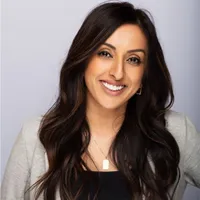
Chloe Drew
Chief People Officer, Redox
Beyond the Org Chart: Intentional Culture Transforms HR Leadership Through Change
Episode 95 · February 14, 2025 · 11:14
Beyond the Org Chart: Intentional Culture Transforms HR Leadership Through Change
Key moments
In Chloe's words
“I think the transition of the company happened sort of exactly when it needed to. We were founded by just absolutely passionate, brilliant, founders, and at a certain point we needed a different level of expertise, frankly, just notches on belts.”
“what I underestimated was particularly with a CEO transition, what that meant in terms of intentional thought-out, planned, sustained cultural change.”
“the lesson that I learned about regaining people's confidence that there wouldn't be kind of turmoil was it takes a lot of time and it takes every day. It takes transparency, it takes repetition.”
Transcript
Read the transcript1,846 words
HostWelcome to the Built by People podcast, where we share the stories and insights of the world's top HR leaders. Join us as we dive deep into the minds of HR executives, uncovering their strategies, challenges, and triumphs in shaping today's workforce. I'm excited to welcome Chloe to the Built By People Podcast. Chloe, thank you so much for joining us. And as a starting question, I always love to ask if you could share a little bit more about your career journey.
GuestAbsolutely. And so nice to be here. Thank you so much for doing me the honor of having me on today. I, I have a pretty unusual career journey, I would say. I started out working in politics. I spent some, uh, time teaching 7th graders in Quito, Ecuador, and then I really found just a deep, deep love for working in grassroots politics. And I worked for a member of Congress in Oakland, California for about 6 years. And then just got sort of bit by the New York City energy bug, moved to New York without a job, which, you know, I would never let my kids do, but somehow my parents let me do it. And I became the, an early ED of a nonprofit focused on building networks for professionals of color across industries in New York City. That really got me very excited thinking about leadership and inclusion and leadership. And I found my way to working with incoming Mayor de Blasio's administration. I helped him put all of the agency leaders in place, all the commissioners. And then I spent a few years working at a foundation and then made the move. By the way, I hadn't yet worked in the private sector, but I made kind of a sharp right turn to work in the private sector. I worked at Compass Real Estate working on philanthropy, and then I served as the interim head of people. And then I've had two chief people officer roles since then. I found my way into health technology, which speaks to me on so many mission-driven levels.
HostSo you've experienced a significant transformation, uh, at your current company, transitioning from a founder-led company to one led by seasoned executives. Can you walk us through the key challenges and successes of that journey?
GuestAbsolutely. I think the transition of the company happened sort of exactly when it needed to. We were founded by just absolutely passionate, brilliant, founders, and at a certain point we needed a different level of expertise, frankly, just notches on belts. And we've brought in, you know, really amazing set of executives. We have a new CEO, we have a new head of product. We've really kind of transformed the leadership structure. I think what I underestimated was particularly with a CEO transition, what that meant in terms of intentional thought-out, planned, sustained cultural change. I hadn't gone through a CEO transition before. Other executives had less of a ripple. This was a big one. And I've learned so much from our CEO, Trip, about really establishing intentional new corporate values, which we did, reinforcing them all the time, you know, setting new tones at all-hands meetings. It's really been an exciting thing, and I've just learned so much in the ways that we have sort of reset who we are as a company. And I think that has not been easy for everybody at every moment, but I think that a year and a change in now, people are saying our values out loud. I think that folks who are here really believe in this new direction and new pace.
HostChloe, you've obviously experienced economic challenges as all organizations and individuals do throughout life. I'm curious as an HR executive, how you maintain employee trust and morale during those kinds of challenging experiences and periods.
GuestYeah, look, I mean, I joined in end of 2022. 2023 was a year when we had to do some layoffs. Every company around us was doing the same thing. 2024 was this beautiful, blessed year of kind of getting a chance to have stability. And really build and execute and build and execute. And I would say the lesson that I learned about regaining people's confidence that there wouldn't be kind of turmoil was it takes a lot of time and it takes every day. It takes transparency, it takes repetition. I think that we probably underestimated how much we needed to keep on reminding people This is the strategic direction. This is the promised land. Saying it to people again and again and again. We're seeing the, the needle move, but it took a long time. And all of my CPO friends say exactly the same thing. Takes longer than you'd think, but it's person by person. It's day by day, and you just don't stop. You just don't let up.
HostYou've talked in the past about being intentional about building a, a new executive team, including promoting internal talent while bringing in external expertise. What strategies have you used to create this balance and what impact has it had on the organization?
GuestYeah, I wish I could say that we architected every single bit of this from the very beginning. We certainly did not. I think that we have though achieved a really interesting balance, both in the executive team, but also across the company. We simply needed some external talent in certain parts of the business. We knew that we needed to really overhaul our product function and sort of rebuild the way we thought about the roadmap. And we brought in one of the more spectacular executives I've ever met. She's magnificent. We couldn't have found that level of just insight, innovation, and creativity inside. She just was fabulous. She's such a great addition to the team. And also, we work in this very unique health data interoperability space, and we have homegrown and had Redoxers who've grown up with us over many, many years at this point. Our head of customer success, equally brilliant, and she's been with us 8 years now, maybe. And she's irreplaceable. That level of new external insight with folks who've been in this industry for so many years creates this wonderful dynamic and level of insight on the executive team. And I'm really proud. We've done a lot of internal mobility in the past year, and a lot of it is folks becoming managers for the first time. We're really being quite intentional across the company around growing our talent and moving
Hostthem Chloe, the pandemic created what you called a wild generosity among HR leaders. How has this shift in knowledge sharing affected the HR community, and what benefits have you seen from this more open approach?
GuestAnd to be clear, I have not been in HR forever. I'm sort of a newbie. I've been in HR for 5, 6 years, so it's possible this dynamic existed 10, 15 years ago. But what I observed entering into the space around COVID and around Black Lives Matter, these things were all happening at the same time. You could sort of almost audibly hear people ripping up previous playbooks because what had been true was just non-starter. Working remotely, thinking about overhauling DEI programs from the bottom up. And what I witnessed is platforms like CPOHQ that I'm completely obsessed with and can't do without. People saying, take my tool, here's my playbook, here's the mistake that I made. I wish we hadn't done it this way. So I just see us all being so much smarter and sharper and more vulnerable, and we're all just getting more effective. So I find these platforms indispensable. I just had a call today with a fellow CPO friend saying she's doing some very tricky executive overhauling, and I was able to say, look, Here's my 7 experiences doing that in the past 3 years. You know, here's a few lessons learned, and I know that she would reciprocate back, as would somebody else.
HostChloe, in managing significant organizational change, how do you balance preserving valuable aspects of the original company culture while evolving into a more mature organization?
GuestYeah, I wanna give my CEO a lot of credit for knowing how to strike that balance. But I, I can sort of point to two things. By the way, I had no, no role in this myself, but we just updated our Redox brand and there was a lot of intentional conversation that he drove to make sure that we were lightening up, making more modern, really kind of refreshing the brand, but honoring the past. So we actually have a new brand and a logo and a look and a feel that goes back to some of the look and feel and brand elements of previous days because he absolutely understands the roots of the company and how much that would mean to people. I, I'll think about our all-hands meeting because we're an entirely distributed company. We don't get together in person. So this is this time every single month the whole company gets together. He's been very intentional about mixing new things that are Uh, true to him that bring his humor and particular leadership style to the table, but also respect the past. Some things he doesn't love, but he just knows they're so meaningful. He doesn't even need to know exactly why, but they're so meaningful to the company and they remind people where we came from. So I think that's a fascinating balance. He's done this a few times, so it's been great to learn from him a lot of new and a lot of new fast so people know, okay, There's this new energy, new company, but also we've absolutely honored where we come from.
HostChloe, what parting advice would you like to share with our community?
GuestThis might sound funny, but I think as a leader and a manager, the more that I have found my own vulnerabilities and talked about them openly with my peers and the people on my team, the minute I started doing that, I found that I was able to be so much more effective. I get better ideas, I get better help, I get other people to open up. I just think it has created psych safety around me and on the team, but it took me being a more confident human, frankly, became, becoming a mother, which is so humbling. Once that happened, I was able to drop a bunch of, I know what I'm doing artifice, which I didn't.. And now I'm able to really freely say, gosh, I don't know how to do this, or I'm scared of this. So that has been the biggest, probably professional life lesson I've figured out over the past 5, 6 years.
HostChloe, thank you so much for joining us on the Built by People podcast. It was a pleasure to have you involved.
GuestDelighted to be here. Thanks so much.
More conversations like this