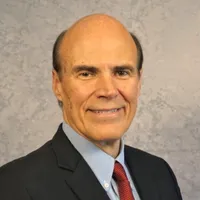
Bruce Nichols
Chief People Officer
HR Solutions
Beyond Buzzwords: HR Leadership's Blueprint for Business Impact and Human Connection
Thesis
“Effective HR leadership hinges on deep business understanding, a constant presence with the workforce, and the 'humble decisiveness' to prioritize human connection and fundamental principles, especially amidst technological advancements.”
What you'll take away
- 01Lead from the front: Be present with your people, understand their daily work, and actively participate to build connection and trust.
- 02Centralize for consistency: Implement centralized HR services (like employee relations or operations) to ensure expert advice, consistency, and free up HR business partners for strategic work.
- 03Master business fundamentals: HR leaders must understand key business metrics (EBITDA, CapEx, headcount, turnover) and merge them with HR data to be strategic partners.
- 04Prioritize the 'human' in HR: Despite technological advancements like AI, the core challenge for HR leaders is to maintain empathy, connection, and human-centric approaches.
- 05Embrace 'humble decisiveness': Humbly listen to diverse perspectives, make decisive choices, and then fully own the consequences, learning from both successes and failures.


What most organizations get wrong
- Challenges the uncritical adoption of AI in HR, stating it's a 'cop-out' to assume technology alone will make things better without focusing on fundamentals and human aspects.
- Made the unpopular decision to hire a 'wildly unpopular' operations-focused individual for an HR team, prioritizing operational efficiency for long-term service delivery over immediate team comfort.
In Bruce's words
“I loved the fact that as I was sitting in the room, I'm seeing all these things happen and people running around with their hair on fire and realizing, you know, this isn't the end of the world. This is not life and death stuff. Like, we can make, make it better.”
Illustrates his early realization about the impact HR can have in stabilizing chaotic situations.
“So that was my, like, I can't escape. I guess this is what I'm doing.”
A humble and humorous reflection on how he unexpectedly landed in HR and found his calling.
“Is this what I signed up for? I don't have this background or experience, so I have to actually figure this out or bring people around that help me figure this out.”
Describes a pivotal career moment requiring self-belief and adaptability in a high-stakes CHRO role.
“And I think, I think a lot of it, just having that intestinal fortitude and courage to say the world's not going to end. We'll figure it out.”
Highlights the essential characteristic of resilience and confidence needed to make tough, personal career decisions.
“And especially now with the AI revolution, I think we have to be focused on keeping the H, that human in HR, and keeping the human aspect in the businesses that we support.”
A concise statement on his core philosophy regarding technology's role in HR and the enduring importance of human connection.
“But the ability to humbly understand the business around you, understand the room is smarter than the individual sometimes... And then make a decision, be decisive, and then accept the consequences of that decision.”
Defines his 'humble decisiveness' principle, emphasizing collective intelligence and accountability in leadership.
The problems this episode addresses
- Leaders lacking adequate training on how to manage and discipline employees effectively.
- Employees experiencing low engagement and morale, leading to negative ENPS scores (e.g., -50 to -100).
- HR functions becoming reactive and administrative, rather than strategic partners to the business.
- Small to mid-market companies struggling to establish fundamental and scalable HR operations.
- The risk of losing the human element in HR due to over-reliance on technology and neglecting foundational practices.
In this episode
Built by People podcast features insights from world's top HR leaders
Built by People
Bruce Nichols is the HR manager for Home Depot in New England
Bruce Nichols on His Path to the HR Job
Tell me about a moment in your career where everything maybe was on the line
Pushing the Career Forward
Looking back, what's been the most meaningful change you've made at Citizens Bank
WSJD Live: The Center for Employee Relations
How did you bring people along or how did you get buy-in
In the Elevator With an unpopular Decision
Leadership is about having a connection to the people you work with
Five Rules for Leading With a Human Touch
What do HR leaders need to prepare for in the next 5 years
The Big Shift in HR in the Next 5 Years
I use humble decisiveness to describe how I approach my career
Humbly Decisiveness
Bruce Miller joined us today on the Built By People Podcast
Bruce Springsteen on Built By People
Topics covered
Organizations and entities mentioned
Full transcript
Expand transcript (3793 words)
Welcome to the Built by People podcast, where we share the stories and insights of the world's top HR leaders. Join us as we dive deep into the minds of HR executives, uncovering their strategies, challenges, and triumphs in shaping today's workforce.
Hi, welcome to the Built by People podcast. I'm excited to welcome Bruce Nichols here. Bruce, thanks so much for joining us today. As a starting question, I always love to ask if you can share more about your career journey.
Sure. Yeah, really excited. Thank you for the invite. I would say I've had an obscure journey through HR, but I think you might hear that from a a lot of HR execs. My career actually started in the Army and I never expected to get out. And then one day injuries, marriage, life happens. And I packed up a car with $50 in my pocket and drove to New Hampshire with my family. And I actually got into accounting and finance with my degree. I figured that'd be the best way to pursue life. Looked at a cube next to me and realized that somebody was doing my work, basically just checking the dots and flipping it over to some VP of finance. And I didn't want that to be my life and I was miserable. So showed up in a Robert Half office, knocked on the door. I don't know you, you don't know me, but I need to do something different. And 2 years later, I was, you know, I was basically running offices and opening new offices and I thought there was something other than, you know, just doing that for Robert Half. Found my way to Fidelity Investments as a contractor, was thinking I would do executive placements and such for them. And tapped on the shoulder. Somebody said, you're the HR manager. You start, you know, next week. I've already talked to the recruiting director. He's all set. And I had no idea what that meant. I'll be perfectly honest with you. I had no idea. I just showed up one day and started listening to people talk about the business. And I loved the fact that as I was sitting in the room, I'm seeing all these things happen and people running around with their hair on fire and realizing, you know, this isn't the end of the world. This is not life and death stuff. Like, we can make, make it better. You know, and left Fidelity with the downturn in the market. I actually went to Home Depot and I started working in the flooring department, carrying carpets out to cars, downloading and packing items. I saw this 20-year-old kid trying to manipulate through staffing his department, getting yelled at by a regional VP type guy, making a mess of things. So one night I took all of his files and wrote sticky notes all over it. And said, move these people here, take the people from the garden department, get this request in, you know, move these guys off this shift, put them here. And I said, move all your inventory to the, you know, to the front that's selling better. And I'll do that tonight kind of thing. And then the regional guy came in the next day, says, I pulled your file. I saw what you were doing. You're not going to be the flooring guy. You're going to be the HR manager for the store and this next store they're opening up. So that was my, like, I can't escape. I guess this is what I'm doing. Awesome. Yeah. I recruited by Citizens Bank. I was the HR manager for their retail network in New England. Tapped on the shoulder, bait, well, I say tap, but I opened my mouth in a meeting with one of the HR executives. I didn't know who she was. I heard her name once in a meeting, but I was sitting next to her in this function and I just said, it's something about, we have a bunch of leaders that don't know what they're doing and how to discipline their people, how to manage people correctly and they're running around like crazy people, not making good decisions. We need to centralize this thought process and put it all together so that we have experts giving this advice and developing managers on how to do this better. And she called me like that following Monday and said, we're developing the centralized employee relations team. Go do that. Go build it. And I will say the only reason I knew employee relations, because Home Depot was crazy. I loved working there, but that was, that was like really ground zero for me to learn how to do that job. Few years there and then built out a centralized HR services team. So all the administrative stuff in comp, total rewards, benefits, transition, you know, payroll, uh, everything kind of came into me from an operational perspective. And we built that out. Um, and then family decisions and wanting to get closer to home, I found a role with Waste Management, actually, I was recruited to head of HR for Waste Energy Division for Waste Management called Wheelabrator Technologies. And about 2 months into it, they said— they came to me and said, well, we're being sold to private equity. We have another 9 months to get off of their systems. Go build me an HR department and a company. Go. So not having the CHRO role ever before, or even worked with private equity before. I really had to make a pivotal decision right there, but I jumped into it. We got the company up and running. I spent 3 or 4 years there. I decided to step out on my own and became— I was an interim executive head of HR for a waste management company up in New York, upstate New York. Picked that up through a friend of mine. He was an executive at Waste. And I kind of fell into Liberty Mutual. Some of the people I worked with at Citizens and other places called and just said, hey, come do this. You know, don't, don't waste away over there. Come do this here. And I spent, you know, almost a decade with Liberty leading HR for a technology group. We had a couple thousand employees in 16 different countries. It was an awesome job because they really focused on building out talent strategies versus just human resources and reacting to the business. Um, downturn again in the market. Accepted a package with them about a year and a half ago. Uh, I spent a few months running, coaching tennis with my wife, fishing, took a nap.
Love it.
Put my big boy pants on January and reestablished my LLC. So I have a couple things going right now. Where I founded HR and Talent Solutions to really focus on small to mid-market companies and help them build HR functions and really focus on the fundamentals and then expand into talent workforce strategies. And then I'm also partnering with a firm called the Human Resources Consortium. They've been around for 30 years and they've a lot of organizational design, executive coaching, and HR consulting work that I'm starting to figure out how to pick up through them. And their market is a little bit bigger than my own that I, so, you know, the larger scale companies. Companies and such that we're going to focus on with them. So trying to juggle a few things on that. And here I am today trying to still make a nickel doing this consulting thing.
I love that. And I love that how you started off was very much like, huh, I'll give this a try. And you made a very fruitful career out of it and you're still going. Like, that's amazing. That's great. Well, you know, as I move forward with some of these questions, right, the first couple of questions are kind of looking back at your, this career journey that you just went over, right? And drawing some important experiences, right? So the first one is, you know, tell me about a moment in your career where everything maybe was on the line, the decision you made and what happened next.
Wow. Yeah. So I've been back and forth on this in my head a little bit, but I think there was a defining moment with the Wheelabrator head of HR role where I really had to decide Is this what I signed up for? I, I don't have this background or experience, so I have to actually figure this out or bring people around that help me figure this out. And then once I figured it out, we got the new company up and running. The real, the pivotal moment of that was sitting down with the new CEO when he came in. And at first we had developed a good rapport. We understood each other fairly well, but something shifted from in that mindset of his about how to deal with people and the, the vision and the values of the company I joined. And it wasn't what I signed up for at that point. So a couple years down the road, I really had to make a choice for myself and my family, for my sanity, to be honest with you. And I stepped away and walked away from the equity, walked away from that role. Luckily, I was able to step into something really cool, but that to me was that pivotal moment. I, you know, and I think, I think a lot of it, just having that intestinal fortitude and courage to say the world's not going to end. We'll figure it out.
Yeah, I love that. And betting on yourself, right? You know, diving in there. I love that. Also looking back, you know, what's been maybe the most meaningful change you've been able to make within a company that employees still feel today? And how did you make that happen?
Yeah. If I go in the Wayback Machine, so Citizens Bank, when I remember sitting at that dinner I was just mentioning and talking to the HR executive and she said, go build. And that was kind of, you know, that centralized employee relations, a centralized pod for HR service and HR operations was still relatively new in the market, especially for large HR companies. And I did not know if there's anybody else doing that. And when we figured it out and that change in the organization, getting that right and just pulling away that work and building that trust with the HR community first, and then also with the leaders and the business people that had to use that service, like we weren't giving them the options, a yay or nay. We're saying, this is what we're going to do and piloting and testing and moving. Having leaders and managers coming in to help build that was critical. And the reason I say that it's lasting is because it's gone through so many iterations. I don't think I would recognize it if I went back there today, but it still exists and it's still a model that they use. And it's taken a life of its own. And we were benchmarked by other companies, and I'll leave them off from a— but really large name brand companies that everybody would know that came in and benchmarked the work that I had done or we had done collectively in that team. And I think that model, building that out, the HR partners, that business partner mindset or that structure could be put in place and could start working.
Oh, I love that.
Yeah. That's great.
Well, along those lines, right? There's some decisions that we make that are good and accepted. Right? Then there's also some decisions, right, that are unpopular. So, you know, when did you have a, have to make an unpopular decision for the long-term good of the organization? And, you know, how did you bring people along or how did you get buy-in?
So I got to, I'm going to tail this in like that's Citizen's work. I brought in somebody who was dynamic from an HR and operational call center perspective. Like she was a dynamo and she wasn't an HR person. She was definitely an call center operations type person. And as I was building out this team, I didn't want the call center mentality, but I needed to be able to focus on building this thing in a service delivery model that had some aspects of operations, call center, risks, and all these things that HR people generally don't do. She was wildly unpopular with my HR team and with the HR community because she was so abrupt and so direct and operationally focused, like drive, drive, drive, drive, drive. But I needed her. And then everybody, all my peers around me and my, my superior, my, my boss was like, you have to have her. Like, you can't say no. Like, this is it. So bringing her on, I spent a lot of capital with my team. And that really meant for me sometimes it's rolling up my sleeves and spending a day doing intake with them on employee relations things and being part of that process and understanding what they were going through and how the world worked from their lens. And just being humble enough to realize that it wasn't gonna be an easy ride for anybody coming into this group, especially when they had to answer to somebody who was just operationally focused. It was tough. I, I just did what I had to do to build that team and to bring those people along. And I, you know, some of those people actually I still talk to today. It's, it's been years and they still call me every couple weeks, check in. But it was because I invested in them early on in that process and, uh, I had to.
That's great. What's a leadership move or HR initiative you repeated in more than one company because it just works?
Yeah. Wow. You know, you know what works, and I think we've gotten away from this a little bit in HR. We've actually gotten away from this from a, just a pure business concept is that connection to the people in that, that we see every day. And we think leadership is just going to tell somebody what to do without actually leading them. And I think early in my career, I was, I had some real strong, humble lessons delivered to me as an Army officer that I won't forget. And we don't have an hour to go through it, but I will tell you that those are life lessons that, you know, 30 years looking back on that, I will never forget. But that connection. So at Home Depot, I actually, instead of just sitting in that back office as an HR manager in multiple stores, I would spend 1 or 2 nights a week either overnight or with the pack-down crew or early mornings. And I was running the store. I had my own keys. So I, I operate as an operations manager on occasion, or even on a Saturday, I'd go into the garden department and I would carry plants out to cars and I'd run a register. I'd do those things because I think I thought it was important to connect. But as my jobs grew and as the roles grew, I couldn't always devote that time. Home Depot taught me that. And then I went to Wheelabrator and I sat with the COO. We were getting ready for a board presentation and my wife had just bought me this brand new Brooks Brothers suit and these great shoes. We had a power plant. And so waste energy power plants, they're just inherently dirty and disgusting, but we had to go to a power plant that was shut down, took offline, losing millions of dollars if we didn't get there and fix it. And that, you know, the COO and I were standing in the bowels of this waste energy power plant and steam and sludge and mud and all kinds of things. And he points to it and he is like, you know what? This is why we have to have talent discussions and do something about it other than sitting in our offices and making pretend that we're doing the right thing. And so, as I did those, I thought about that and actually getting our leaders and being a leader meant getting these folks out of their office and onto the floor on a— you can't do it all the time, but you have to have a presence. You have to lead from the front. And be part of the people that you're leading so that they understand your day. And you can't always do it, but you have to make the effort. And at Liberty Mutual, new CIO, new— he and I got along famously. We had a great relationship. But as he was coming in, he's like, we used ENPS, Employee Net Promoter Score, to kind of track how people were feeling and read the comments. And we had a -50 ENPS, or it's— across the board. It was, and then some departments it was like -100. You can't do much worse than that. And what I said to him was, you know why? It's because your leaders aren't out in front. You and I just got these roles, but your leaders have not been present. And we need to make change or get them out and put this in front of them and say, look, you either do this. And we created this whole grassroots frontline manager-driven employee campaign about responding to feedback and reacting to the environment, understanding the work and being present. So we just regularly, instead of just operating from Boston, you might find us in Indianapolis, or you might find us in Seattle. You would be there. And it was a phenomenal win because that mindset and that shift of being present, being with your people and leading and not just directing. And I think we've gotten away from that a little bit. And especially now with the AI revolution, I, I think we have to be focused on keeping the H, that human in HR, and keeping the human aspect in the businesses that we support.
Oh, that's great. And that's a great bridge to this next question. I have 2 more questions for you. You know, thanks for looking back. Thanks for, you know, drawing off of your past experiences. These next 2 questions are a little future, right? You know, looking ahead, what's the single biggest shift you think HR leaders need to prepare for in the next 5 years? And you might have already kind of hit on it. Of the technology aspect. But, you know, how should leaders start preparing now?
Yeah, you know, it's fine. I just got off a call with a bunch of HR people I was networking with, and we all kind of said the same thing. But I think the— it's not just technology. It's not just this AI move, because I think it's a cop-out a little bit because, oh, we're going to put this in and it's going to make it better and it's going to be efficient and it's going to save us money and it's going to be great. But we forgot the fundamentals. And I think as HR leaders, we have to be equipped to understand how the business runs. So not just like how our HR business runs, we need to know EBITDA or EBIT. We need to know CapEx and SGA expenses. We need to know headcount and turnover numbers. So we have to operate as that business person, and we have to be able to merge all that data and all that information with our HR data and be able to use AI as a tool and all those technology platforms as a tool. But we have to be able to do it from a human perspective also. And I think that's gonna be the challenge is keeping the human in HR or keeping the human in the business or in developing the skill sets for the future so that we are not sitting back here in 10 years and saying, okay, we, how do we code empathy into this AI? Because you can't, it's a, it's a bot and you can't do it. Yeah.
Oh, that's great. Well, you know, Bruce, thanks for your time. You know, the last thing, you know, I, I want to go over, last question I have for you is if, you had any one piece of advice for our community, right? Something you wish you had known earlier in your career, you know, what would it be?
I've, I use these words like humble decisiveness, and it's not about HR structure or HR things we need to know. It's about reflection. And it's a term that I use to describe how I approach not just my professional life, but my personal life and how I do things. And I'm not perfect in it. And if you ask my wife in the other room, she would absolutely agree with you. But, uh, the ability to humbly understand the business around you, understand the room is smarter than the individual sometimes. Even if you bring in a bunch of smart people, somebody's got an idea, somebody's got perspective, and we need to recognize that. Uh, and then make a decision, be decisive, uh, and then accept the consequences of that decision. And if it's wrong, you go back and you fix, but you accept and you own. And, uh, and, uh, there's a book out there called Extreme Ownership and it's a fantastic book. And I think a lot of us have probably seen it, but I, I live by that. And you have to own those decisions. Humbly, and we can't be so full of ourselves and think that we're gonna own the universe as the HR executive. We, we support the business and we are leaders, but we have to model the behavior.
Love it. Well, Bruce, thanks so much for joining us today on the Built By People podcast. It was a pleasure having you involved. Thank you for everything you're doing.
Thank you so much.