Episode 136 · March 25, 2025 · 22:57
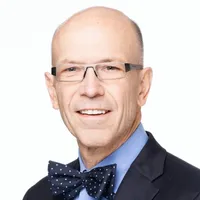
Bill Fahey
Chief Human Resources Officer, Carnegie Institution for Science
Mastering HR Evolution: Engage, Support, and Lead Change in Established Organizations
Episode 136 · March 25, 2025 · 22:57
Mastering HR Evolution: Engage, Support, and Lead Change in Established Organizations
Key moments
In Bill's words
“You have to be very careful in how you approach change in an organization in general, but I think also for one, like Carnegie, who was very unique, special in many ways.”
“The main objective of what we're trying to accomplish is around expectation setting, making sure that managers and employees are having those conversations to really bring role clarity, to really understand and set the path forward.”
“I think the reality of the situation, just based on my experience with any kind of change, whether it's been small or large, there is no perfection.”
Transcript
Read the transcript3,946 words
HostWelcome to the Built by People podcast, where we share the stories and insights of the world's top HR leaders. Join us as we dive deep into the minds of HR executives, uncovering their strategies, challenges, and triumphs in shaping today's workforce. I'm excited to welcome Bill to the Built by People podcast. Bill, thank you so much for joining us. And as a starting question, I always love to ask if you could share a little bit more about your career journey.
GuestSure. Thank you, David, and thank you for having me here. I'll give you a short version of that. My undergraduate degree is in healthcare management with a specialization in long-term care. And at the time I graduated, I was a licensed nursing home administrator in the state of Virginia. And as you can see from where my career is, that's not the road and the path that I followed. I ended up moving to New York, started working in financial services, and then a few years in, decided it was time for me to really figure out what is my career and what is my career path.. And after talking to a lot of people and doing some internal investigation, HR really is what I honed in on. And after deciding that, applied and got into the New School in New York City and started my master's in human resources management. And then I went to Merrill Lynch, started off in the data center initially. About a year or so in, I had the opportunity to start working as what I would call, what we used to call back in the day, a junior generalist, and that's how my career started in HR. What I would say, like, to summarize my career, it's been very broad across the function, and it's been very deep across the function. So I've had the fortunate experience to do a lot within HR, which has then led me to being the head of HR at Carnegie Science currently.
HostBill, you mentioned in the past how the HR function at Carnegie Science has evolved. What were some of the key challenges in modernizing a century-old organization's HR practices, particularly with implementing their first-ever performance management process?
GuestSure. I think the first thing I'll say about that is just how HR was structured at the time when I started working with Carnegie. And basically how I describe it is it was very fractured. We did have a centralized team. It was a smaller team. They were mostly focused on the tactical aspects of HR. And because we didn't have some of the infrastructure there were what you would call shadow organizations within the different divisions where they were taking on HR functions. And so to sort of come in and to think about a different approach to that, especially in an organization that had been around— right now, we started in 1902, so we've been around for about 123 years. You have to be very careful in how you approach change in an organization in general, but I think also for one, like Carnegie, who was very unique, special in many ways. And so really coming in and understanding the organization, the reasoning and rationale behind why things were done, understanding the culture was really critical. And then if you think about what I just said, which is there were areas that were handling HR on their own, and then somebody like me comes in and says, you know what, I appreciate that you're doing that, but really we need to centralize this function. Under one sort of roof, if you will. And there's a number of different reasons, which we don't need to get into why that makes sense. But then you start challenging the status quo, right? And anytime you challenge the status quo, you run up potential issues to deal with. And so you have to deal with the loss of control to some degree. This is the way we did it. We had people, we would direct their work. Now somebody else is going to be doing it. Really understanding the why it's happening. And getting out there and making sure that people really understood that took a lot of time and energy. And then also introducing new concepts. So for example, I introduced the HR business partner model to the institution, and that was something new and different, and people didn't really know what that meant. They didn't really understand the value having an HR business partner can add and how they can actually make things easier, more efficient, more effective for you. So a lot of time and energy, like I said, went around to educating and really informing people and bringing them along. I think stakeholder engagement through this whole process, when you're talking about performance management in particular, is absolutely 100% critical. And it is one of the main reasons why we were actually able to institute performance management system for the first time. And at the time, it was like 122 years, I think, If you think about the institution, we have about 59 independent scientists, lead scientists who have their own labs, and they control their own research. They come into the institution and they are on like a 5-year increment as far as it comes to having any kind of review happen for them. Then you have the rest of us who we call the administrative or support side of the house, who you'd liken to more what people would understand from an annual performance management process. And so we had to come up with a solution that could be consistent across the board at the fundamentals of what we were trying to accomplish, but also allowing flexibility and customization so that we weren't infringing upon the 5-year review process for our scientists. And so the stakeholder engagement, like I said, was absolutely 100% critical because we had to involve a large number or a good number of our scientists in the process of determining what that would actually look like. And then taking that information and figuring out how do you then do a parallel process for the rest of us that were consistent. So one of the things we decided was we were not going to call it a sort of typical performance management review, annual performance management review, whatever you want to call it. We actually call it progress and development. And the reason for that is the main objective of what we're trying to accomplish is around expectation setting, making sure that managers and employees are having those conversations to really bring role clarity, to really understand and set the path forward on what's expected in a day-to-day for your job and what you should be focusing on and what you should be accomplishing. And then from that is not about giving a rating at the end. We don't have ratings at the moment. There's nothing like that. It's really talking about what then do you do going forward? What are the things you learned? What are the things you've experienced? And then developmentally, what are the things that you want to focus on? So those are just a couple of examples of how we sort of have done things a little differently given the environment that we're in. But I would say, again, bringing people together, involving them in the process, and then following up once you sort of launch it has been really critical to helping us understand what is it that we can really do that really is impactful and meaningful to those that are on the other end of this.
HostBill, you've got a lot of experience in change management. Curious to get your perspective on some of the common pitfalls you've observed in organizations that have a perfect execution mindset and how HR leaders can better approach change initiatives.
GuestSure. Change is an interesting one because it's something that I think I've experienced and have been talking about from an HR perspective since the day I got into HR. My sort of thesis, if you will, at my master's program was around change management and trying to understand why change sort of fell flat and failed after that, that change kind of event. And I think what you said is one of the reasons that we have issues with change management and executing on a change. There's a lot of time typically and energy and planning that goes into working out the plan of the change. What is the change? Why are we doing it? How are we going to do with it? And then sort of how you execute on it. And I think part of the problem that we have is that because there is a lot of work that goes into it, and there's a lot of time and energy and thought that goes into it, we often can have this sort of tendency to think around perfection when it comes to implementing change. And I think the reality of the situation, just based on my experience with any kind of change, whether it's been small or large, there is no perfection. There are things that you didn't think about that potentially could get in the way that would impact what happens when you have that change happen. If you think about the systems, HR systems, for example, we do a lot of work testing things. In the test environment, but then we go live and we go into the production environment and something breaks. And it's just because the two environments are different, right? So this concept, I think, of having sort of a perfect change management experience is one of the things that kind of gets in the way. I think the other thing that we can do better, in addition to being just more realistic around understanding that there probably could be some issues once we have that change event. I think the support in what you do after that event is important. And that's really what my paper was written about, which is we get to the change event, we're going live with a system on June 1st, we work out the kinks, and then we move on from it. But if you're thinking about things like system change, right? You're rolling out a new HR system, supporting people through that process, getting them prepared for it is part of it, but then when it actually happens, holding their hand, training them, giving the right level of attention and resource so that they can get used to using the system and understanding how the system can actually help them, get them to information, make self-service work for them very efficiently if they need to do something like a change of address. I think that's where we really have an opportunity is after the event to really support people. An example I can give you that I think went really well is when I worked at Fannie Mae. We consolidated, I think, 5 different buildings into one, in one location. And there was a lot of work, like I said, that went up in the— before the actual change happened, where there was a lot of communication, information sharing. We were allowed to come and tour the building. But I think what really helped us move into the new environment and to settle in rather quickly was focus on having change agents on the ground helping us on a day-to-day basis, making sure we knew where things like printers were, where kitchens were, where the cafeteria was, those kind of things. T, if I remember correctly, walked around with these bright red t-shirts on so that if you had an IT issue, you didn't have to put a ticket in. Somebody was right there. So the support that I'm talking about really was what happened to us when we moved into that new building. In my experience, and just me individually and my team, that transition went so much more smoothly once that change happened because of the support that we
Hostreceived. Bill, you've highlighted the ongoing challenge of promoting subject matter experts into leadership roles. Yeah. What strategies have you found effective for developing management capabilities in technical
Guestexperts? So again, this is one of those topics that seems to span the times, we have somebody who really has done a great job, very technically sound, and we put them into a management supervisory position, and then potentially sometimes we have issues or challenges. I think similar to change management, there's a lot that goes up to it in the beginning. It's really understanding the person, the individual beyond the technical side of things. What are the skill sets that they bring that are likened to a successful manager or a successful supervisor? So the, the basics of what we do in HR around performance management, talent management, development planning, I think those are very critical and really honing in on what is it you need to do proactively before the individual goes into that role to then figure out how to set them up for success once they go into the role. And this is where similar to change management, I think we have had some issues and challenges where we can probably have an opportunity to do better here. And that's really giving the individual the support after they've moved into the role. What support have you given them? One way to do this is identify somebody who has been very effective and successful as a manager and connect that individual as a mentor relationship so that they can help guide and strengthen and focus on that individual's development. One of the things that we have done in prior organizations, and we are now instituting it where I am at Carnegie, is just basic management training. Any new manager, whether they're coming into the organization or they're being promoted into it, giving them manager's fundamental training, not necessarily around what is it you need to do to be a successful manager, but understanding what are the things that you have responsibility-wise and how do you leverage those as a manager in the organization where you are. So for example, understanding performance management, understanding leave policies, understanding the systems that are available to you and the resources that you have available to help you be successful as a manager. So again, I think the big key, big opportunity we have from HR comes after somebody has been put into that management role and really making sure that we are there and we are helping them and their managers and others, helping them really be successful as a new manager.
HostBill, the workforce today spans multiple generations with different perspectives on work. How can HR leaders better bridge these generational gaps, particularly around feedback and communication styles?
GuestIt's an interesting question because I was actually just reading an article in the Summer '24 HR Quarterly around the Gen Z population. I think the first thing I'd say is we've always had generational differences through time. It's just the nature of the beast. I think some of the challenge that we have is we're influenced to some degree by what we're dealing with as we're growing up as a generation. And if you think about— if I think about what my parents lives were, what I grew up like, how my life was, and where my nieces are today, it's much different. And some examples of that are just technology in general. I didn't have a computer 'cause they hadn't been invented really when I first started out in school. And now my nieces can do everything on their phone. There's social media, right? The way people communicate is much differently. It's less formal than it used to be, right? So I think part of it is just understanding that there are differences and we see things differently. And I liken it to the concept around inclusion, which is meet people in the middle and really understand where they're coming from to better then understand why they are reacting the way that they are or why they need this type of communication when it comes to feedback, which is different, right? The formal versus less formal kind of stuff. So I think really just that understanding is a big piece of this puzzle. There are things that we can do. One of the things that I've done in the past that was very successful is this idea around reverse mentorship. So reverse mentorship, you have somebody who's more junior, probably newer in the organization, mentoring somebody at a much higher level or a higher level who has been there for a while. There was one division that I supported at the time, and we rolled that out, and it was very successful. And it was very eye-opening to both sides. Because what does it do? It gets you engaged in conversation. It provides an environment where you can have these kind of conversations and really understand where people are coming from. And then from that, you use that information and that experience to then figure out what can you do differently to bring the people together. And I think just regular employee engagement and providing opportunities for employees to get together and to have conversations, and oftentimes to talk about things that aren't work-related, so you really understand who that individual is and where they're coming from, is very helpful. The other thing I will say to you is I am not one who really believes in labeling people and putting them in a box. And so there might be commonalities between different generations, but I try to engage in these conversations in such a way where we're not really boxing people in and we're not saying that everyone Gen Z operates this way. It's really, again, that inclusive piece of it and really understanding us as individuals and then coming to the table and figuring out how do we partner better? How do we collaborate better? And how do we work better together?
HostBill, from your experience working across different locations and managing remote teams, what insights can you share about maintaining organizational culture and high employee engagement?
GuestYeah, it's a great question, and it's definitely a challenge that in my experience was heightened during COVID when we all sort of went remote. And, and I think for me, the big learning experience there was it has to be more intentional because we're not all in the same location all the time. Although I know the trend is starting to perhaps lean back that way, but those casual conversations and collisions you have in the coffee area, for example, you don't necessarily have those when you're on Zoom. When we're on Zoom and we're all in different locations, we hear oftentimes, I'm back to back. So you jump from one Zoom meeting to the next. So it tends to be a lot of work. Focused conversation. So being more intentional and making sure that you actually have those opportunities to engage with people, I think, is very important. The other thing I think is important is that you don't treat people differently and have different expectations for them. And what I mean by that is I don't feel that it is right to say to the 5 people on your team who are remote, you need to be online starting right at 9 o'clock. I want you to be signed up for instant messaging. If you get a message, I want you to respond within 5 minutes. But then you don't have that same kind of protocol and expectation for people who are in the office. You need to think about it as you're just working from a different place, and so you should have the same sort of expectations across the board for your people. And the other thing I would say is, make the opportunities to bring people together and have those experiences. So some things that have worked in the past are virtual lunches where everyone gets their lunch and you just get on Zoom and you talk about different things. You can have virtual happy hours, those kind of things. Those are very important. And then having the rules of engagement. So when you're on Zoom, the expectation generally is you're on mute. When other people are talking, you raise your hand, you have your camera on, those kind of things. So just the sort of governance to ensure that you're creating an environment where people have the opportunity to participate and to engage. I think in today's world, having Zoom, it's much easier to do that based on when we would just jump on a conference call and you'd have the speaker sitting in the room, and then, I can't hear you, and people jumping on you. I think one of the things that these online tools have given us is the ability to actually create a more inclusive environment and to allow people to engage in the conversation. And I think the other final thing I'll say is that as a manager, reaching out to your team members and checking in on them and asking them how they're doing and what are their experiences like and what are the things that they would like to see differently, how do they think, what ideas do they have, that can help with the cross-team collaboration, the partnership, keeping the morale up on the team. It's easier and more effective, in my opinion, when you ask others to help versus it just feeling like the manager is trying to figure out everything on their own. But those are just some kind of thoughts around keeping teams together, especially when they're all dispersed.
HostBill, what parting advice would you like to share with our community?
GuestI think the one thing I would like to say is what I say to my team on a regular basis, which is HR is not an easy place to work sometimes. It's very challenging. We have a lot of compliance and governance-related aspects to it. We're dealing with people on a day-to-day basis and balancing the individual need with the organizational needs. And I think at times you get a lot of negative kind of feedback. And what I say to people and what I say to my team a lot is something that Jamie Dimon said, and I've held true to this ever since I've heard it, which is keeping your eye on the long term and staying focused on what it is you're trying to do and what it is you're trying to accomplish, but along the way, taking the time to stop to look back and to celebrate and recognize the wins that you have along the way. And if you don't do that, it sometimes can feel like you get into this rabbit hole and you really don't see the impact that you're having across the institution or the organization in which, in which you're working. So really take the time to stop, to reflect, and stay focused and remember the great things that you have done along the way to help get you through those more difficult times.
HostBill, thank you so much for joining us on the Built by People podcast. It was a pleasure to have you involved.
GuestThank you so much. I appreciate the time.
More conversations like this