Episode 278 · July 16, 2025 · 12:46
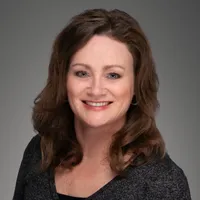
Angela D'Acquisto
Chief Administrative Officer, Nova Home Loans
Post-Downturn Playbook: Rebuilding Trust, Resilience, and Culture with Transparency.
Episode 278 · July 16, 2025 · 12:46
Post-Downturn Playbook: Rebuilding Trust, Resilience, and Culture with Transparency.
Key moments
In Angela's words
“The greatest impact on our culture was a deterioration of trust in the organization, and this is understandable given we were coming off such a significant high point, only for our people to find themselves coming to work each day wondering if this would be the day they would be let go.”
“Our HR team proposed the idea of meeting with each employee individually. The motivation behind this strategy was to demonstrate that we recognize each person has a voice and deserves the opportunity to be heard.”
“Our CEO also made a commitment to increase transparency in how we communicate. He continues to facilitate a monthly company-wide meeting where he reviews our financial and production metrics. And shares his vision and our collective goals.”
Transcript
Read the transcript1,784 words
HostWelcome to the Built by People podcast, where we share the stories and insights of the world's top HR leaders. Join us as we dive deep into the minds of HR executives, uncovering their strategies, challenges, and triumphs in shaping today's workforce. I'm excited to welcome Angela to the Built by People podcast. Angela, thank you so much for joining us today. And as a starting question, I always love to ask if you could share a little bit more about your career journey.
GuestI would be happy to, and I appreciate you having me today. Very early in my career, I was a graduate assistant studying communication at the University of Arizona., and I taught classes in public speaking, interpersonal communication, and even your basic Communication 101. This experience laid a real foundation for my future role in training and leadership development. After I received my master's degree, I moved to the San Francisco Bay Area and spent several years in hospitality or restaurant management. In this type of role, you wear every hat, including HR leader, but the restaurant industry provides such useful experience in working with people, lending to my love of always providing the best customer experience and developing a team around me that wants to do the same. A growing family brought me back to my hometown of Tucson, Arizona. At this time, I was seeking a role with a great company and potential for growth. Now, after 14 years with Nova Home Loans, I serve as their Chief Administrative Officer and oversee human resources, including many other departments. My journey to this point has included roles in marketing, compliance, training and development, and HR.
HostAngela, can you walk us through the specific challenges your company faced during the industry downturn in 2022 and how the necessary staff reductions impacted your company culture?
GuestYeah. During the pandemic, the housing industry boomed to record low mortgage rates. We're talking about rates around 2%, and I think even some people were able to snag a rate in like the 1% range. So to put that into context, today's rates are around 6 or 7%, but due to the low rates, the demand for mortgages skyrocketed. And our company hired like crazy to keep up with this. In early 2022, the effects of inflation put upward pressure on interest rates, and loan production faced a significant decrease. At the time, it felt like this happened almost overnight, and there was so much uncertainty in our industry about how long the downturn might last. Our leadership team began phase staffing reductions as needed to meet the lower levels of production. We wanted to make sure that our staffing was appropriate for the current levels of production and not make significant drastic cuts that we may not be able to recover from later. But regardless, the staffing reductions lasted for over a period of 2 years. Team members who may have worked in the mortgage industry for a long time knew what to expect in a down cycle, but because of the significant hiring we did during the pandemic, we had a lot of people working for us that were newer to the industry and they were facing a great deal of uncertainty. The greatest impact on our culture was a deterioration of trust in the organization, and this is understandable given we were coming off such a significant high point, only for our people to find themselves coming to work each day wondering if this would be the day they would be let go.
HostAngela, what strategies and actions did you implement to repair trust between leadership and employees after the reduction?
GuestSo NOVA has consistently completed an annual employee feedback survey. And our leadership team has always carefully reviewed the results, and various improvements have been made over time based on the feedback that our team members provide. Our HR team proposed the idea of meeting with each employee individually. The motivation behind this strategy was to demonstrate that we recognize each person has a voice and deserves the opportunity to be heard. We were pleasantly surprised to find that the opposite was true. Was true. They shared quite a bit, and I think it went a long way in rebuilding the trust to demonstrate to them through those meetings that we cared enough about each individual to take the time to sit down with them. Our CEO also made a commitment to increase transparency in how we communicate. He continues to facilitate a monthly company-wide meeting where he reviews our financial and production metrics. And shares his vision and our collective goals. This has been so powerful because in the past, this information may have only been shared with a select group, but he feels sharing it with everyone will contribute to greater individual investment towards our collective success. We also leaned into employee engagement as a way to boost morale. Each team or department within the organization has a designated NOVA ambassador. And these individuals facilitate team building events and ensure that our people receive consistent recognition for milestones and achievements. I also want to note that our benefits team did an amazing job in highlighting our extensive resources for mental wellbeing. Following the increased production we saw during the pandemic, our people were burnt out. Then we pivot to a down cycle that added a whole new layer of stress and uncertainty. And in the past, it was uncommon for us to regularly talk about the resources we provide, which include a robust employee assistance program, access to wellbeing applications like Calm and Headspace, counseling support, and a lot more. And usage of these resources increased significantly. And I think this is primarily because, well, there was a great need for them, but also we started talking about them more throughout the organization. The HR team, as well as our leaders, were able to promote them to their teams. The executive team also approved an annual wellness fund for employees to use on services or items of their choosing. But lastly, I think it's important to acknowledge that our industry needed to change. While the market, even as of today, is not fully recovered, we cannot continue to respond respond to increased demand with overhiring people. As an organization, we've made significant investments in technology that provide more automation and allow our team members to work more efficiently. We do not wish to hire irresponsibly. We want to make continued investments in the team members we already have and make strategic hiring decisions.
HostAngela, how have you approached working alongside your HR team rather than having them work under you? What tangible benefits has this collaborative approach brought to both your leadership effectiveness and workplace wellbeing?
GuestFirst, I want to acknowledge that I have an amazing team. It's much smaller than it was in times past, but I'm grateful to work alongside them every day. It is not uncommon as we grow as leaders to make the mistake of thinking only I can do what I can do. And this mindset may hinder our team's growth and limit their opportunities to learn. I've learned and become more comfortable with giving my team true ownership of their areas of responsibility and tasks. They continue to impress me as they rise to every challenge and contribute new ways of doing things that make us stronger as a team. This benefits me as a leader because I now serve more as their trusted advisor and see my role in ensuring that they have all the support they need to do their best
Hostwork. Angela, could you share a specific example of how you've integrated leadership development into rebuilding your company culture, including any programs or initiatives that proved effective?
GuestYes, absolutely. So we've really leaned into cross-collaboration. So we have several layers of management within our organization. And at the highest level with our senior leadership team, facilitates a meeting with those individuals monthly, and that also includes the members of the executive team. But that is another venue where he can continue to communicate his vision for how we're moving forward, what goals we are working towards, and our progress towards them. We— so that is one way that we've continued to rebuild effective communication and contribute to greater trust within the organization. The idea from that is that those leaders can then go back to their teams and communicate more effectively with them. So while he leads that meeting with the senior leadership team, myself and one of my counterparts in the human resources team facilitate a similar group meeting with our next layer of management. And the format is also very similar. We're working on making sure that people are working effectively with one another, that projects are getting completed, and I always sprinkle in some type of professional development. Last meeting we had was just this past Monday, and we talked about how to give constructive feedback to your team members and also just how to solicit effective feedback from your team
Hostmembers. Angela, what parting advice would you like to share with our
Guestcommunity? One thing that I've learned as I've worked in HR is that it's important to be comfortable in your own skin. And what I mean by that is that in any other department or role you may have had in the past, it was okay to become familiar or friends with everybody that you work with. But I found that in being a senior HR leader, I have to have a guard up around me. And that is because at any time you may have to have a difficult conversation with a team member, and that team member may be someone that you're friendly with. Or you have to become involved in an employee relations matter that involves several people that you work closely with. So, I think HR can be a lonely place at times, but you do want to develop a support network for yourself, whether that includes people that work in HR outside of your organization, a mentor, or building that strong HR team around you because all of you are in that same boat. But there is no better place that I think to work in an organization than in the human resources team. It really allows you to work with everybody across the organization and learn what each of them need as individuals and do your best to provide. What resources are going to matter to the most people.
HostAngela, thank you so much for joining us today on the Built by People podcast.
GuestThank you very much.
More conversations like this