Episode 63 · January 27, 2025 · 10:53
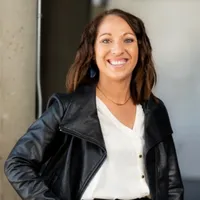
Amrita Bhaumik
Former Vice President, CHRO, Valvoline Global Operations
Architecting Opportunity: Intentional HR Transforms Women's Leadership Journey
Episode 63 · January 27, 2025 · 10:53
Architecting Opportunity: Intentional HR Transforms Women's Leadership Journey
Key moments
In Amrita's words
“What I like to say is that it's been an interesting mix of having the opportunity to be a very strategic leader, worked with very talented business leaders and a very talented global HR team. To navigate the role of being a strategic leader to implement people, organization, talent, and culture strategies, but at the same time also having the opportunity to work across the world and be a very hands-on leader.”
“What I have been blessed with and what I've experienced is firstly, I've had very good mentors and leaders who've been very intentional about the fact that we do need to set up a diverse and inclusive work environment.”
“I think frankly, I've seen them as opportunities versus challenges.”
Transcript
Read the transcript1,801 words
HostWelcome to the Built by People podcast, where we share the stories and insights of the world's top HR leaders. Join us as we dive deep into the minds of HR executives, uncovering their strategies, challenges, and triumphs in shaping today's workforce. I'm excited to welcome Amrita to the Built By People podcast. Amrita, thank you so much for joining us. And as a starting question, I always love to ask if you could share a little bit more about your career journey.
GuestThanks so much, Dave. It is indeed my pleasure and privilege to be part of your podcast, and I am really looking forward to the opportunity of speaking with you. Well, when I talk about my career in HR, it's been a long career of more than 2 decades. What I like to say is that it's been an interesting mix of having the opportunity to be a very strategic leader, worked with very talented business leaders and a very talented global HR team. To navigate the role of being a strategic leader to implement people, organization, talent, and culture strategies, but at the same time also having the opportunity to work across the world and be a very hands-on leader. So I've had the opportunity to implement and work with the business, seeing the impact of all those strategies on the business. So that's how really I would, you know, kind of describe my HR career. Worked through various intense, I would say, business situations, whether it's been growth across the world, or it's been working through mergers and acquisitions, or moving the company from being a private to a public business. So that's how I describe my very, I think, diverse and exciting HR career. In my last role, I served as the Vice President CHRO of a large global automotive lubricants business., and I worked through the process of their divestiture as well as acquisition by another large conglomerate. Having done that for close to two decades, I was in that organization for almost 20 years, I decided to take a purposeful sabbatical and a break, and that's where I am currently.
HostAnd Mridula, what strategies have you seen organizations implement to create meaningful career pathways for women? Particularly in male-dominated industries?
GuestThat's an interesting question. I think I've always worked in businesses which in the traditional sense are defined as male-dominated because particularly as I worked through in the business of lubricants, automotive, chemicals, etc., it was always hard. It's gotten a bit easier now, but it was always hard to attract women to want to come and work there. And there are various reasons for it. I think what I have been blessed with and what I've experienced is firstly, I've had very good mentors and leaders who've been very intentional about the fact that we do need to set up a diverse and inclusive work environment. So they've been very intentional about it. I think they've worked strategically to build an enabling ecosystem. I think that's the most important thing which any organization can do, build up an ecosystem in which it's recognized that yes, we do need to create a more inclusive environment. And with that comes being very intentional about the processes, the policies, career paths, mentoring opportunities, and encourage more women to not only apply and seek careers within such industries, but also get the sort of enabling ecosystem and environment to grow in their careers. And then very importantly, I've seen not only with myself but other leaders that I've worked with, especially women leaders, they've been very strategic and clear about sharing their stories. And so that set a lot of very positive environment that, yes, the organization is serious about it.
HostAs part of the 7% of women of color in C-suite roles, what specific challenges have you faced and how have you overcome them?
GuestI think frankly, I've seen them as opportunities versus challenges. I think for any leader in a C-suite role, it is very clear that they need to be the ones very clear about setting the strategy and the vision, inspiring and leading, of course, their teams towards that strategy. And then, you know, kind of showcasing themselves or really walking the talk as leaders. So for a woman leader, it is all of that and perhaps a little bit more. As I said earlier, being very intentional about The fact that you are creating an impact by just being a part of that 7% in that room or at the table. So make sure how you come up there or how do you showcase yourself as taking ownership of your career. Those are very powerful examples. So I think as any C-suite leader, as I said, as well as any woman of color specifically, there is a huge responsibility. So recognizing that, showing themselves up in that role, taking a stronghold or career, kind of a control on their own careers and being that role model, I would say, are very, very important. It's very important for others to see that. And of course, something that I'm personally very passionate about is to be a mentor. As I said, I've had good opportunities and very good and strong advocates. So how do I kind of give that back? To the cohort.
HostCan you share a personal story about a turning point or decision that was instrumental in your journey to leadership?
GuestI think a big turning point is the ability to take a risk. And it's, and I do not say that lightly. One of the last examples I have is when I took the opportunity mid-career in my 40s to navigate this whole transition, you know, move from India to move to the United States. So which was really, I feel, a big turning point in my career and my journey because I was able to— and now today when I stand, I'm able to see that the deep values and the ideals from my country of birth and how I kind of grew up, I'm able to apply that in a completely new professional setting. So, you know, build networks, build connections, and understand the professional sort of world in a completely different country has been, I think, a big turning point. And I'm very grateful that my organization gave me that opportunity. And most importantly, my family supported me through that process and that transition.
HostWhat advice would you give to organizations looking to support and develop women leaders more effectively?
GuestI think it's a little bit of what I mentioned earlier as well, that it is being intentional. It is first recognizing that we intend to build a more inclusive environment for women leaders to succeed in the business. So definitely having certain metrics to measure how we are progressing against that. Definitely holding leaders, all leaders accountable for achieving it, and then recognizing and celebrating as we navigate that journey and we inch closer towards where we want to be. Interestingly, one of the other things that I will just add here is also be adaptable to the communities to which we belong and If I can share a small story, in organizations and roles that I've handled, where we've kind of focused on diversity or we focused on gender diversity across the world, we've also realized that it is important not just to have a number to define that, okay, we want to achieve X percentage of gender diversity in the business. It's very important to be conscious of the community to which you are belonging. For instance, in certain South Asian communities, it's not hard to reach that number if you wanted to have more women in the workplace, but by digging a little bit deeper, what we found is that perhaps we are having sort of a broken rung where not too many women are navigating to the leadership level. So it's a matter of getting a little bit deeper into the numbers and what does the data tell you and being more intentional, as I said, about what outcome you want.
HostHow can women leverage mentorship and networking to break through barriers and reach leadership roles?
GuestI think it's very important for women or anyone who's wanting to navigate leadership journeys is firstly, you know, ask for it. There is so much of resources and help and support and advocacy which is there. So I think often people who want to navigate that process or navigate the journey, especially women, they tend to sort of negotiate with themselves. They're like, okay, we may not be good enough, or should we even speak up? So that's the first step. I would think that, you know, make sure that you ask for it. Be very intentional about networking and asking or looking at resources which can be of help to you because there's one concept which I hold very dear to my heart and I call that PIE, which is performance, image, and exposure. Your performance, of course, speaks for you and the results you're achieving, but image and exposure are so important. How do you show up and who speaks about you when you're not in the room? Who's advocating for you? So very important to be mindful of all of that as you navigate your journey. That's one strong piece of advice I would kind of give. And be learning agile, recognize where there are opportunities to learn, take the risks, and navigate your own career yourself.
HostAmrita, what parting advice would you like to share with our community?
GuestI think the parting advice would be a bit of the summary of what I said. You know, I mean, you, as specifically as women leaders, you need to be able to navigate that journey yourself. There are a lot of opportunities. Look out for those opportunities and seek support and keep on a constant learning mode. Take the risks and success is definitely going to show up. For particularly HR, because I know that I've been an HR professional and I feel very strongly about impact as an HR leader. I think now we are at a very interesting stage where we are seeing the huge influence of technology and artificial intelligence on HR. I feel HR has the unique ability to be that architect who can play between both the human psychology as well as technology. So I would encourage all HR leaders to embrace that challenge and try and get at the forefront of it.
HostAmrita, thank you so much for joining us on the Built by People podcast. It was a pleasure to have you involved.
GuestThank you so much, Dave. It was my pleasure, and I really enjoyed.
More conversations like this