Episode 129 · March 24, 2025 · 19:29
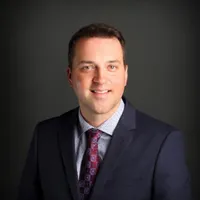
Brian Little
Chief People Officer, Altera
TRANSFORM EPISODE: Brian Little, Chief People Officer at Altera
Episode 129 · March 24, 2025 · 19:29
TRANSFORM EPISODE: Brian Little, Chief People Officer at Altera
Key moments
In Brian's words
“I don't really believe you can be a successful HR executive if you're just simply baking the cakes.”
“My advice is you can't go back in time. You can't put the genie back in the bottle, but you can make a case for whatever it is that you want to do in the future.”
“The biggest challenge is being able to use, I would say, good workforce analytics and strategic workforce planning tools to really think about getting ahead of that so that you don't, for example, hire a bunch of people that you turn around 6 months later and say, we don't need them.”
Transcript
Read the transcript3,958 words
HostWelcome to the Built by People podcast, where we share the stories and insights of the world's top HR leaders. Join us as we dive deep into the minds of HR executives, uncovering their strategies, challenges, and triumphs in shaping today's workforce. I'm excited to welcome Brian to the Built By People podcast. Brian, thank you so much for joining us. And as a starting question, I always love to ask if you could share a little bit more about your career journey.
GuestLike a lot of people, when I was in college, I wasn't necessarily thinking about a career in HR, but I had a chance to interact with some great professors that really talked about people and data and how that could come together and transform organizations. And some of the projects that I worked on continue to really focus on, wow, if we can leverage the power of people, you can improve organizational results in a way that's— you could clearly demonstrate. So I've got interested in that, and I started doing like a lot of things differently. I worked in operations for a while when I got out of college. I knew that was a great place for grounding just to understand how things work. I just spent a few years doing that. But the real magic for me happened when I had a chance to work in a management assessment center where we had a chance to really evaluate how ready were people for management in, at a big public utility company. We had actors, we had in-box, out-of-box exercise. Really think about it's very complicated stuff to do. To really prep people for these super jobs that they were going to have. I just learned that, boy, in that job, I got the chance to talk to the CEO of the company about the results versus a job in operations where I could talk to my boss a lot, my boss's boss, but I wasn't talking to the CEO. And that really intrigued me that the head of the company would talk to me about the outcomes of those assessments. And I was just really only just started my career. And so that, that really was exciting to me. And so I stayed with it. I spent time on the learning side because I really believed that was one of the, not only my passion, but I think at that time, learning and development was really growing significantly in organizations. I wanted to also become a generalist. I spent time on the recruiting piece and doing that and also employee relations and also working with unions to understand that better, to really round myself out. Then I took on a job for a while that we would describe today as head of diversity or chief diversity officer for the organization. Before people really were talking about that. And there was this big study talking about the change in population around the world and particularly in the US and what companies needed to do to prepare for that. And so I spent a lot of time on that and that really helped me focus on being more strategic in terms of being able to help organizations prepare for things that are pretty far out there. And that was a great learning experience. I went on to work for companies that are more global in nature so I could really understand how not only things work from a US perspective, but how the world really works and how different cultures are and how to be successful in driving human capital in places that are just very different than where I'm from. So spent time doing that. Also wanted to work back in kind of the more leadership development side for a while. I did that. I worked at a place called the Ameritech Institute, which was a fantastic place to see top-level talent come into the organization, develop them, and a lot of those people went on to some great jobs and C-suite level jobs, including CEO roles. And got a chance to understand what does good really look like? I decided I wanted to go into consulting for a while. I had my own consulting company for several years. It was great. I had a chance to meet a ton of people, got a chance to travel a little bit and go work in faraway lands. But I got tired of the travel because as a consultant, you're always gone. And then I had a chance to work with one of the client companies that I had and really enjoyed that. Ultimately, the company is HSBC, great place to work. Learned a lot. At the time, one of the best best global banks in the world, and, but one of the more complicated places to work as well. Just dealing with that kind of level of, I wouldn't call it bureaucracy per se, but complication around all sorts of places in the world. Wanted to go over to a company called Zurich Insurance, and I wound up being the chief people officer for the Americas group that we had. And that was a fantastic opportunity as well. Just really top-notch leadership, and I just learned a lot from that particular leadership team. And just how to shape me as an executive, what that really meant. And I had this great boss who really focused on developing me not only as an HR professional, but as a business professional. That was just a great experience. I moved on to work in technology at a company called Intel. I wanted to be in a really different industry from financial services. And it was a great experience. I was still doing things that are relatively remarkable as a company and trying to work with a group of some of the smartest people that I think are on the planet when it comes to inventing things. And so that was a great experience and I moved over to a company called Altera, and I'm the chief people officer here and today. And it's, again, it's a spinout from Intel. It's a technology company. We make some things that are super, super hard to do called FPGAs. And again, talent out the yuzu, but it still has to be curated into a point where it's purely commercial and we're actually doing all the great things, not only helping people do remarkable things, but as being a successful company. And so I built out the complete HR function pretty much from scratch and that's fully operational and we're running and So a short flyover of my career. I've done a lot of fun things and continue to do so.
HostBrian, thanks for that great introduction. Last time we spoke, we talked about how external factors outside of our control can disrupt our careers and lives. Curious to get your perspective on what strategies you recommend for effectively managing a career in today's rapidly changing world.
GuestOne thing that's helped me is always being clear about my north star and what I stand for in in so I can be authentic. I think it's challenging as an executive because there's so many things in that I think about it, I call it outside in, things that we didn't honestly have to worry all that much about as an HR professional. Now you do. Whether it was, we go back to the George Floyd incident and what that sparked across the world in terms of how we thought people should be treated, and then how folks in their communities were feeling about company support around these things, how our own employees would feel about this and going through a ton of listening sessions and really trying to understand how do we support our employees who are, to a certain degree, weren't feeling 100% safe? How do you go through that? Being really authentic, engaging all of the executives in the process, and really being clear about what we believe is the right thing to do, and then how do we focus on that? And influencing senior executives to have that broad point of view. So I think that's a great learning, but there've been all sorts of other things since then as well. That we all have had to deal with, whether it was the situation in Ukraine, which impacted a lot of our employees who are in that particular region and trying to figure out how to manage through that. And then to where we are today with some of the changes with politics and how that's impacting the lives of everyone, not only just our employees, but their neighbors and everyone else. And then how do you manage that as a company when you're still trying to be successful, you're still trying to manage through the whitewater. You want to be clear what you stand for, but you also have to make sure that your team of executives are in a place where they can be successful in this environment. What they depend on me for, our current group, is my interpretation of what are the signals that are out there. It's helpful to be part of different organizations, for example, like Transform. You're going to learn quite a bit about what others are hearing. Think about it as a precursor to what the future might be. And then how are they getting prepared? Be able to take in that information. You're still going to have to make decisions about your own company and where you go, but don't be in a foxhole by yourself. One of the great things about being in HR, our profession is probably one of the most willing to share best practices than any other in the world. And you can learn, and whether it's at Transform or wherever you work at or live, there's always an HR group that can help come together and support you and think about that. But by doing that. Being able to bring back my authentic point of view from my interactions and learning with others who are not only in our field, but even our folks in IT or our folks in finance and all these others, but being able to consolidate that and work with the executive teams to give them an educated point of view. I don't really believe you can be a successful HR executive if you're just simply baking the cakes. That just doesn't work. You have to get into the process and, and not everybody's gonna agree with you either, but that kind of environment where you can have those great discussions. Help leaders make better decisions.
HostBrian, as a leader, how do you balance the need to keep your company competitive and attractive as an employer while ensuring that employees still feel valued and supported amidst all this change?
GuestWell, I think one of the things that's been challenging, for example, return to office is a great example. We all got used to working at home during COVID and having your jammies on at 9 o'clock is very different than being in an office with, you know, with a sport coat on. I think companies, when they decided that, hey, I really would like you to come back to the office, didn't always explain why. They didn't spend enough time making a case for, even if it's not optional, but why was it important to the business and what should be different with this or there. And to a certain degree, employees revolted. They didn't like it. They said, you didn't really make it a clear mission for me to come back to the office on there. One of the things I think we all learned, because in HR, companies came to us and said, hey, I really want everybody to show back up. How do we get them back into the office without necessarily just bribing them? How do we make it back the way it used to be? My advice is you can't go back in time. You can't put the genie back in the bottle, but you can make a case for whatever it is that you want to do in the future. For some companies, it doesn't make sense for having a, like an office mandate, for example. Others it does. And then I think the real trick is as a business person who is in HR, making that case with employees so that they feel like their needs have been heard. And even if we're making a decision that they don't necessarily 100% agree with, they understand how we got there. And you have to allow people that space to have that conversation. What I find sometimes is executives like to write memos and, or at least have somebody write the memos, send those out, and this kind of very sterile, hey, this is what happened, this is what I want, please make it happen. I think getting out and talking to folks, getting to the sites or getting in, at least having that opportunity for people to join on virtual town halls, it's super important. And by the way, not everybody's gonna agree, which is okay, but people wanna feel heard and that as long as they're heard, it seems to work. And people, they understand the business reasons for what you're doing.
HostBrian, we've talked about the importance around consolidation. And how to do that effectively with a human element. Can you share some examples of how you've approached this to ensure people aren't overlooked in the process?
GuestYeah, I think there's lots of unique words that consultants use, like synergy, for example. How do we create more synergy? But I do think just getting past that type of thing, it's really trying to understand that no matter what type of company you are, just about every company is successful because of the people that work there. And even though we're not family in the true sense, we are connected. And when we lose those connections, we start to fail a little bit. And so one of the things that when it comes to understanding how do you consolidate, consolidate wealth, you have to really understand what is your workforce gonna look like in the next 3 to 4 years and how do you get there? One of the challenges that all of us have had in HR over time, for the most part, is that as you're, you're trying to figure out how to meet a short-term goal, quarterly goals that generally are financial, with kind of long-term impact of what you need to do as a company. How do you be successful in the marketplace? If you're constantly every quarter dipping into your employee pool and consolidating, people feel like you're successful on their backs versus working with them side by side. I think the biggest challenge is being able to use, I would say, good workforce analytics and strategic workforce planning tools to really think about getting ahead of that so that you don't, for example, hire a bunch of people that you turn around 6 months later and say, we don't need them. How do you make sure that you've got our leaders aligned so that we're making good choices? Data does that. Quality tools help. It really does. And as we make those cases for what the workforce should look like, then we're able to make that point of here's who we need. And then as we do make changes, do it in a way that provides dignity for folks, giving them the right opportunity to transition, treating people like adults versus children is something to me I think is really important. And people understand it. Unfortunately, throughout my career, I've had to make some hard choices about corporate restructuring and unfortunately impacts people.. But in most cases where we've done a good job of laying out the why, people understand. Relationships are still maintained. And by the way, sometimes we brought people back because it made sense to do, and they wanted to come back because they felt they were treated well, even though they were made redundant. If you lay that out and you do it with dignity and to a certain degree ensuring that people feel they're informed, it works out generally well.
HostBrian, 75% of your workforce are engineers who prioritize the quality of their projects. How do you retain top talent by ensuring they're working on the right projects with the right teams, especially in your words, when employees feel like they're only as good as their last success?
GuestYeah, the projects you work on really count in engineering. I would say that's in probably most companies, but in engineering or technology-oriented companies, it's even more important. If you're working on a project that you feel that the company doesn't value, you're looking for another job. Trying to make sure that people are assigned to high-quality work, that they have mentors that they're working with, and they have buddies that they're working with is really important. Sometimes people don't make the connection. They're working on a project that, I don't know if this is the best thing, it's not the most exciting work, but having a good mentor and having technical councils really help a lot. And then that helps people be able to think about how is my work really syncing to the bigger picture? It may seem relatively small or isolated now, but perhaps it is strongly connected. But also putting together career paths for folks. That really helps. Our company, we do a pretty good job in terms of laying out what a career path will look like on the technical side. We try to make sure the technical side is as attractive as the managerial side, for example. And also what kind of projects that you need to have to round yourself out as a professional. And that making sure that movement happens, that it's easy to get from, I'm on working on project A, down the road I'm going to work on projects B, C, and D. Making sure that's in that career plan and be able to talk about that. We also use a predictive analytics model to figure out where we're going to have openings and then start to guide people towards that. And it gives them a chance to prepare in advance with their manager, with the help of HR, about what that next opportunity looks like because of here's a project opening that should naturally occur around that time. And so people feel like they have a sense of direction with their career. So it doesn't feel like things are happening to them. It feels like they're part of an overall decision-making process that allows them to continue to grow as a professional. Impression.
HostBrian, the return to office trend has sparked a lot of debate, and you've noted it can make people feel at times interchangeable. How do you address this perception and maintain a culture where employees feel uniquely valued rather than just another cog in the machine?
GuestIt is really a challenging thing to do because sometimes people feel like the calls happen not on a great time zone. I'm calling in the middle of the night for a call. It starts to feel like the company doesn't care, that I'm just out there, somebody hitting keyboards and just trying to make things happen. Now, one of the things that I think does work is when doing a lot of things that balance the time zones, because a lot of times it is a challenge to just— people are in very different places, but making sure you share across the burden a little bit. For example, if I'm working with somebody in Malaysia, trying to make sure that the timeframe works for them. That may mean it's pretty late my time, but early their time, but being cognizant of that to make sure that we can have that face time even though it's virtual. It's really important to do that. Another thing that I try to do often, like in my teams, I like cameras on. I really want people to turn their cameras on because I want to make a personal connection with them, and it's easier if I see them. And I tell people that so that they understand that I'm just not trying to force you to— just to comb your hair or something like that. I just really want to talk to you. And then if we can make that happen, life is a little bit easier for me and making that personal. But it's remembering the little things, birthdays, celebrations, making sure people that you don't just create events or things that only will successfully help the folks that are in the office, but thinking about how to do the virtual things really well. We had a lot of experience in COVID. Let's not forget all those fun things that we did. We still do those. You can still do an after-work wine and cheese party if you want to. Do it virtually. Also, I think valuing that experience that you see when the person's in their home. I have seen more cats, dogs, and kids, but actually I really value that because now I actually understand what motivates people a little bit more, what excites them, why they come to work, their work environment. I actually, it's very pleasurable to see that. And I comment on it in a constructive, positive way. 'cause I, I want them to understand that my interest is because I'm seeing them as the whole person, not just the person that comes into the office.
HostBrian, what parting advice would you like to share with our community?
GuestI would say a couple things. Just from being in HR a long time, we can fall in love with tools and process like no other, and that becomes a guiding light. Remember, first and foremost, our job is to be great business people, to actually help these organizations succeed. And using our creative talents that we bring to the table with HR is super important, but our lens has to be very commercial and business-oriented. Whether it's for a nonprofit or whether it's for a for-profit company, there's always an angle that we have to understand the eyes of the business and how do we support that in a way that is not just order-taking, but actually coming to the table with ways of creating value for that company. If you do that on a consistent basis, we'll always be valued as partners in the business., and people will understand that. You don't have to become an MBA or anything like that, but you definitely have to understand how this business works, how it runs, and then how do we really get the most out of the people that we have. If you do that, you're set for success. And then leverage your peer groups, 'cause we've all gone through crazy things and there's stuff out there that, you know, scratch your head a little bit, but there's always somebody out there to help.
HostThat's my advice. Brian, thanks so much for joining us on the Built by People podcast. Uh, this episode is in partnership with Transform. I'm excited to see you in, uh, Vegas shortly here, and, uh, it was a pleasure to have you involved.
GuestThank you very much, Dave. You take care, and I look forward to seeing you.
More conversations like this