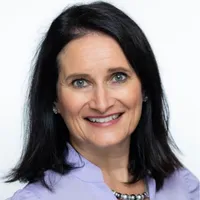
Episode 57 · January 22, 2025 · 7:53
Teresa Hess
VP Total Rewards, Proofpoint
Total Rewards for Hybrid: It's Not Just About the Money Anymore
Episode 57 · January 22, 2025 · 7:53
Total Rewards for Hybrid: It's Not Just About the Money Anymore
Key moments
In Teresa's words
“I've been in HR for about 20 years now. I actually started off as an HR business partner, but for the past 10 years, I've been really focused on total rewards and had the pleasure of working in various industries and different sizes of companies, from startups to Fortune 500.”
“I think the past 5 or 6 years has been really tough for all total rewards professionals. Moving from, you know, pre-pandemic when it was more status quo to having a shift during the pandemic and then to now with more of a hybrid return-to-office model.”
“We can roll out all these amazing programs and really competitive comp packages, but they're not going to be really beneficial to anyone unless that's actually what they want.”
Transcript
Read the transcript1,332 words
HostWelcome to the Built by People podcast, where we share the stories and insights of the world's top HR leaders. Join us as we dive deep into the minds of HR executives, uncovering their strategies, challenges, and triumphs in shaping today's workforce. I'm excited to welcome Theresa to the Built By People podcast. Theresa, thank you so much for joining us. And as a starting question, I always love to ask if you can share a little bit more about your career journey.
GuestSure, thanks for having me on the call. So I've been in HR for about 20 years now. I actually started off as an HR business partner, but for the past 10 years, I've been really focused on total rewards and had the pleasure of working in various industries and different sizes of companies, from startups to Fortune 500. But really, my focus now has been primarily in cybersecurity space. And today, I'm the VP of total rewards at Proofpoint, We're a cybersecurity company with a focus on email security and a few other things.
HostTheresa, I want to talk about post-COVID compensation strategies. How have compensation and benefits strategies evolved in your organization since the onset of COVID and what do you see as the key challenges in adapting these strategies for a hybrid workforce?
GuestYeah, I think the past 5 or 6 years has been really tough for all total rewards professionals. Moving from, you know, pre-pandemic when it was more status quo to having a shift during the pandemic and then to now with more of a hybrid return-to-office model. So the strategy kind of evolved from more of a decentralized model or region-based or location-based for all of the different various strategies, whether it's compensation or what benefit offerings or perks you offer with an office. To during the pandemic, to having a more nationalized approach and one size fits all, just to try to please everyone globally or nationally. And then now, I guess, of course, shifting back to the office, that's always the challenge and how to incentivize and reward and recognize people for wanting to return back to an office from working from home for 4 years.
HostTheresa, with many companies transitioning to a decentralized compensation model during the pandemic, How do you balance the need for flexibility with the desire to maintain equity and competitiveness across different geographic areas?
GuestYeah, that, that's actually a really good question. The challenge we have now, I think most companies are facing, including my own, TripPoint, is that we do want to encourage people back into the office. We have not fully gone back to a 5-day-a-week office requirement. We're still hybrid and still grandfathering in those that are remote. Making sure that we're meeting the needs of everyone is looking across the different generations and ensuring that we're hearing from our employees. I think that's one that's most important and most critical for total rewards is we can roll out all these amazing programs and really competitive comp packages, but they're not going to be really beneficial to anyone unless that's actually what they want. What I mean by that is, of course, we all want more comp, everyone wants more money, but what about for benefits? And perks and recognition is if you don't know what's important to your employee, why would you implement something? So I think hearing from your employees and the culture is what's most key. And that's one of the things we're working on right now within the company is what is our target areas? Who are we trying to attract and retain? And how do we want to see that growth? And so we're implementing programs that sit on top of comp that would be complementary to that and help encourage those behaviors.
HostTheresa, I want to talk about return-to-office dynamics. As companies like Google and Amazon shift back to requiring an office presence, how do you foresee this influencing compensation models, and what strategies are you considering to manage this transition effectively?
GuestYeah, so I think that companies are going to start moving back to more of a geographical difference when they look at their compensation. So What you'll find in most tech companies, we all target around the same percentile for comp, whether it's P65 or P75 for niche positions. That is not a differentiator for most of our tech companies that we compete with, including the Googles and Amazons of the world. We're all around the same comp level. Really what differentiates all of our different companies is what we do beyond compensation. So do we offer various stock programs or equity awards? Do we offer different types of benefits or perks? So that's really what's going to set us apart, all the different companies, and make it different. And so if you're looking at like the Google and Amazon, you know, just mentioning the return to office 5 days a week, is what are those offerings that they're going to offer that people want to go back to the office, that they're, they're willing to give up whatever that was they had at home to come back to the office, whether it's not needing daycare because they're at home, or if it's being able to go to the gym during the day, or whatever it is that makes them happy about being at home versus being in the office, is understanding what's going to excite them about the office, and then how are we going to provide, so that way they will not be so upset about having to come back.
HostIn light of the changing work environment, how do you ensure that your compensation and benefits approach supports the retention and attraction of diverse talent?
GuestSo it's really about listening to the employees and understanding what's important. So we identified some gaps just through an employee survey that we had and just impromptu one-off meetings with employees just informally, just to find out what's working, what's not working. What we found is that some of our offerings that we have today actually do meet the employees' needs. They're just not aware of it. So having a communication campaign so people are aware of some of the offerings at Care.com that we have for childcare so that way they can easily come back to the office if needed or need pet care. But then also we identify the gaps like I mentioned. So implementing a few new programs to help support the diversity of our employees, whether they're millennials or Gen Z or baby boomers, that we can meet everyone's needs where they're at in general. We can't please everyone, but the broadest population is how do we meet the needs and support them. I like to think of Maslow's hierarchy of needs. If you don't have the fundamental things met, you can build all these great programs that sit on top, but they're going to be worthless. You really have to meet those fundamentals with compensation and some core benefits before you add on the rest.
HostTheresa, any parting advice you'd like to share with our audience?
GuestI think I've said it 5 times already, but listen to your employees first because Don't go out and spend a bunch of money on all these really cool, shiny projects and programs that are out there unless it really is impactful to your employees. So listening to them first and then building upon what you're hearing. Again, we can't please everyone, but if you can actually implement programs that meet the majority of your employees' needs, I think you're going to find the most return on value of the dollars or euros spent on whatever the programs are that you're building out there for the employees.
HostTheresa, thank you so much for joining us on the Built by People podcast. It was a pleasure having you involved.
GuestGreat. Thank you so much for having me.
More conversations like this