Episode 281 · July 18, 2025 · 10:02
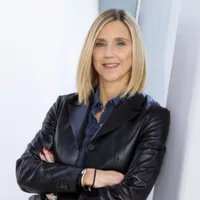
Suzan Morno
former CHRO, Latham
People Over Process: The human element is your ultimate business advantage.
Episode 281 · July 18, 2025 · 10:02
People Over Process: The human element is your ultimate business advantage.
Key moments
In Suzan's words
“I'm passionate about the power of HR to be a business strategy driver, not just about support”
“today we need to put more focus on addressing all of our constituents and understanding the impact that they can have on the workplace and the workforce. When you think about women who have such unique experiences...”
“organizations need to invest in supporting supporting middle managers because of the unique role that they have in setting direction and guidance of the larger workforce.”
Transcript
Read the transcript1,349 words
HostWelcome to the Built by People Podcast, where we share the stories and insights of the world's top HR leaders. Join us as we dive deep into the minds of HR executives, uncovering their strategies, challenges, and triumphs in shaping today's workforce. I'm excited to welcome Suzanne to the Built By People podcast. Suzanne, thank you so much for joining us today. And as a starting question, I always have to ask if you could share a little bit more about your career journey.
GuestThank you. Thank you for having me. I have been following your podcast for some time and have been so impressed by not only the speakers, but the topics that you've been covering. So Suzanne Warner Wade, and I would start by saying my career has been one that's been rooted in transformation, people always at the center. I started in finance, moved into HR, and over that time held leadership roles at a number of Fortune 500 companies like Xerox, Quantum, GE, Hess, and then ultimately serving as the CHRO of Xerox. I've partnered with a number of boards and CEOs through, I'd say, most of my career. But also through some very complex moments that a company can face. Activist investors, CEO transitions, digital reinventions and transformations, social unrest, and God, we can't forget COVID-19 in that. I'm passionate about the power of HR to be a business strategy driver, not just about support, Right? I think I've had the privilege of really building global teams and coaching senior leaders and navigating some very complex inflection points. And at the end of it, the bottom line is that people make the decisions and are the determinant in all of this. So today, I also serve on a couple public boards and speak regularly about the evolving role of CHROs in shaping the future of work.
HostSuzanne, thanks for that great introduction. I want to dive in by getting your perspective on the significant gap that you identified in women's healthcare within the workplace and what steps you took to address that issue effectively.
GuestThank you. Thanks for allowing me this forum to talk about it. I think this is a general theme. We recognize that the medical profession, the healthcare profession has focused on a certain model, and that has been centered around men. And I would go further to add that Caucasian males is the prototype for thinking about healthcare and healthcare solutions. When we think about our evolving workforce, women make a large portion of that, and I think that today we need to put more focus on addressing all of our constituents and understanding the impact that they can have on the workplace and the workforce. When you think about women who have such unique experiences, including from childcare, child rearing, to potentially menopause or post-menopause, there's very little attention that's given there. And the impact that these things can have on women in the workplace is outsized. At the end of the day, I really believe that our focusing on women's health will have a very positive impact on businesses. So I really do believe that healthcare, particularly focusing on women's healthcare, will have a positive impact for businesses. At the end of the day, I've worked in organizations where we've tried different things, whether it's the sort of parental support or care that is needed for those who are trying to conceive or who are planning to have a family. But you don't have many support systems for women who are experiencing peri or menopause, which by the way can start as early as 35 years old. So you can have a woman in the workplace, whether that be a leader or individual contributor, who will have this impact for a long period in her career.
HostSuzanne, I want to switch gears and reflect on your experience with empowering middle managers. What were the initial challenges you faced in empowering middle managers, and how did you overcome them to drive meaningful change?
GuestYeah, well, let me first start by saying that I think organizations need to invest in supporting supporting middle managers because of the unique role that they have in setting direction and guidance of the larger workforce. And I think that what I have seen in my career in many organizations, the messages, the direction is understood at the top and there is the bottleneck. And the bottleneck sometimes is with those managers that are line managers on the front lines who are leading large groups of employees. And they either don't understand the strategy, they don't understand how it relates, they haven't been brought in to feel like they're a part of it. And I think that can have a significant impact. And so my perspective, we need to ensure that we are engaging managers up front along the journey of change, particularly when I think about transformation. So that they can help their employees and the larger workforce.
HostSuzanne, in your journey to prepare CHROs for board seats, what were the key obstacles you encountered and what strategies did you implement to ensure their readiness and success?
GuestOkay. I think one of the major obstacles that CHROs face is not being seen as having business acumen. An understanding of the business and the business drivers. They are not seen as being fluent in the business or in finance. I think there is a perception that CHROs don't have a broad view of the organization, and therefore cannot serve on a board where they can make an impact. And I'm here to say that all of that is not true. I certainly believe that CHROs who— and this is not a universal statement because not all CHROs want to serve on boards, are prepared to serve on boards, but there are many good ones. There are many good ones who certainly have deep business acumen, understand organizational dynamics, understand what are the levers that need to be pulled in place to support a business strategy.
HostSusan, when advocating for executive compensation changes linked to HR functions, what were the critical factors you considered? And how did you navigate any resistance to implement those changes?
GuestCan you repeat that?
HostWhen advocating for executive compensation changes linked to HR functions, what were the critical factors you considered? And how did you navigate any resistance you faced in the process?
GuestAdvocating compensation changes for the HR function?
HostThat's correct.
GuestYeah. So, first of all, this is something that I and others have faced in our careers. For me, I think it starts with ensuring that leaders understand the value that certain members of the HR function bring. To the organization. Unless that happens first, the advocating isn't successful. I have found that I don't have to do much advocating because I've done that work up front so that people understand the value of the function, the value of unique skill sets or capabilities that people bring to the table. It's also painting a picture of what good looks like. So I think that is our role as well, ensuring that others understand what good looks like in an organization. The transformation I did with the HR function, the analysis and change plan involves a lot of change in the skill set. Unless people are with you in that journey and understand that, it makes it very difficult.
HostSuzanne, what parting advice would you like to share with our community?
GuestStrategy doesn't lead, people do. You can buy all the systems in the world, put all the roadmaps together, but trust, clarity, courage are the things that we need to move things forward. And I think the last thing I would say is that we need to think about what are we building, who are you becoming while you build this. Our role is to help ensure that the organization is building the desired organization at the end of the day.
HostSuzanne, thanks so much for joining us today on the Built By People podcast.
GuestThanks for having me.
More conversations like this