Episode 263 · July 1, 2025 · 7:50
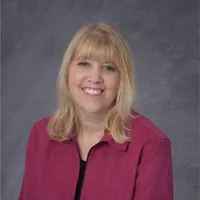
Pat Wadors
CHRO, Intuitive
Embrace Constraints: The Product Management Mindset Revolutionizing HR with AI
Episode 263 · July 1, 2025 · 7:50
Embrace Constraints: The Product Management Mindset Revolutionizing HR with AI
Key moments
In Pat's words
“Knowing how to hire, develop, retain, engage creates amazing companies.”
“Creativity loves constraints. So if you have a never-ending budget, you're not gonna think outside the box.”
“Progress is perfection. You're not going to get a perfectly rolled out system. Never happens. So if you look at it from an iterative agile development methodology...”
Transcript
Read the transcript1,390 words
HostWelcome to the Built by People podcast, where we share the stories and insights of the world's top HR leaders. Join us as we dive deep into the minds of HR executives, uncovering their strategies, challenges, and triumphs in shaping today's workforce. I'm excited to welcome Pat to the Built By People Podcast. Pat, thank you so much for joining us today. And as a starting question, I always love to ask if you could share a little bit more about your career journey.
GuestSure. When I grew up, I struggled in school, and so I was a C/D student, and I did art, I did sports, and it wasn't until college I got diagnosed with Dyslexia. And then I took, what do you wanna be when you grow up? And one of the choices were teaching, social work, and this thing called HR. And my dad and uncle were both in HR. I interviewed them and my uncle said 80% of a company's operational expense is the cost of talent. So knowing how to hire, develop, retain, engage creates amazing companies. And so then I decided I wanted to run HR. So I have been on that pursuit trying to build great, amazing companies since then.
HostPat, in previous conversations, we talked about the theory of constraints and the importance of being agile for the future. Can you share a specific example where you applied this thinking to overcome challenges in your organization?
GuestLove to. I love constraints. Creativity loves constraints. So if you have a never-ending budget, you're not gonna think outside the box. And one of the fables or stories I was told was about a crow that was flying over the desert, super thirsty, and he saw a pitcher in the desert full of water. He's like, that's where I gotta go. And so he flew down and his beak couldn't get into the pitcher. So he tried all kinds of things to get to the water, like tipping it over, getting a stick and leveraging it. He was really smart and creative, but nothing worked. And all of a sudden he saw the pebbles around the pitcher and so he picked up pebble after pebble until the water rose, and then he could drink. And so if you think about facing a problem and unlocking your curiosity, something you've never done before, you're gonna ask more questions, you're gonna be more engaged. You can crowdsource. Creativity is the future, right? Curiosity and creativity. And so when I think about constraints, I don't feel bad about 'em. If my CEO is like, hey Waters, your budget's only like 3% or going down 10%, I'm like, bring it on. Let's figure out what we can do. And I bring my team into the story and amazing things happen.
HostPat, I've been intrigued by your crow in the picture metaphor about constraints driving creativity. Could you tell us about a time when resource limitations actually led to innovative AI solutions in your HR practice?
GuestYes. I was trying to figure out a way to serve our employees, and I did a whole bunch of research on data, trying to figure out what kind of service level they need, the net promoter score, when did we get good CSAT, when do we close tickets. And it fell down in 3 buckets. I want to know something, do something, and I need care. And I had limited resources and I really wanted to provide care. Care meant that I didn't care how long it took you to be on that phone call to solve that benefit question or navigate an employee issue. I wanted to be there when you needed us. But if I did that for every employee, it meant like I had to hire a ton of people. And so what we ended up doing is figuring out a way to use AI and bots and chat to help the know and do stuff. So when someone came in, they could self-serve, they can ask a quick query and, yeah, that's what I need. I need to get into this tool. I need to do this benefit update. But when they actually needed a human to talk to, I had enough resources to do that. So I didn't, I self-funded it. I was able to provide the care, and it took that creativity of constraint to go, what can I do better to be there in moments of care?
HostPat, how have you transformed HR thinking to be more like product management? Can you walk us through a case where iterative development replaced the traditional build and leave alone approach?
GuestYes. So I believe in HR almost like a tech stack. You have a platform play, middleware, and innovation. And the platform is how do you support the company globally? You think about your human resource capital management tool suite. You think about your core set of data, the employee record. When you're implementing tools for performance management, goal settings, you need to get a lot of change management engagement. You need to have clear business buy-in. If you approach it and use the language of product development, you go to the leaders and say, hey, this is the problem or the opportunity. This is what I think our PRD is, our product requirements document should look like for you. Can you validate? What makes a great experience for you? And then where I have sponsors and key customers, so to speak, I put them in my requirements gathering. And then we prioritize with the customer and we go through an iterative process. I'm like, all right, this is phase 1.0, 1.5, 1.whatever, and then 2.0. I'm teaching my team like, look, use the language of product development. Progress is perfection. You're not going to get a perfectly rolled out system. Never happens. So if you look at it from an iterative agile development methodology, learn the muscle, what worked, what didn't work for your clients, you set expectations better, you ease the anxiety of your development team, your HR team, IT, and you engage the managers and the employees on their journey so they have more buy-in and better behaviors.
HostPat, with AI and technological disruption creating uncertainty in the workplace, how have you helped your team or organization embrace these changes rather than fear them?
GuestI talk about touching the elephant a lot. So if you talk about the crow, I also talk about the elephant. And the elephant fable is the 5 blind men in a village. And someone brings an elephant into the village without telling the blind men what the animal is, or even if it is an animal. He asks them to touch it and tell, describe what it is. And they end up arguing because they think it's a sail, a trunk, a snake, a barrel, that kind of thing. And it isn't until the first man started asking the question, why do you think it's a sail? Why do you think it's a snake? And so for me, looking at AI, back up and see the elephant. What can AI do for all of us? Don't fear it. Like, don't have this bias against job elimination. It's going to create more opportunity and elevate the joy of what you get to do versus what you stop doing. So change the framing of the words. I get to do the following because of AI, and your energy goes more positive. I'm an optimist by nature, and I like to learn. And so that's how I teach the team and model it for my organization. I hope it works.
HostPanna, what parting advice would you like to share with our community?
GuestWhat we do in HR is a craft, right? It's art and science, and the world continues to evolve around us and with us. So embrace being perfectly imperfect. Embrace the questions. Questions are our best tool. Ask 5 questions before you even begin to make a statement. And then learn how to echo back what you hear from the business and support that need. Prioritize and support the need.
HostPat, thanks so much for joining us today on the Built by People podcast.
GuestThank you so much for having me.
More conversations like this