Episode 6 · November 7, 2024 · 14:31
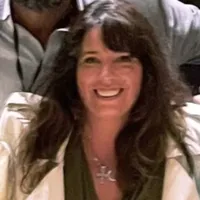
Oksana Lukash
Ex. CPO, Avid Bioservices
Your Company's Secret Sauce: How to Engineer an Unstoppable Culture.
Episode 6 · November 7, 2024 · 14:31
Your Company's Secret Sauce: How to Engineer an Unstoppable Culture.
Key moments
In Oksana's words
“the only secret sauce that any company has is its culture and its people.”
“It's again, a lot harder to hire for that culture add, and I would say the value add, than it is, you know, to be enticed by everything that the resume might offer. But at the end of the day, every skill that every single one of us has, we learned at some point in our lifetime. But it's very difficult to make a person somebody that they're not. Or again, have them believe potentially into values that are misaligned with their personal values.”
“I personally disagree. I don't want anybody else to be in charge of, you know, my destiny. So I think it's each one of us needs to be encouraged to figure out and define what does growth look like?”
Transcript
Read the transcript2,187 words
HostWelcome to the Built by People podcast, where we share the stories and insights of the world's top HR leaders. Join us as we dive deep into the minds of HR executives, uncovering their strategies, challenges, and triumphs in shaping today's workforce. I'm excited to welcome Oksana Lukash, owner of PeopleCultureU, to the Built By People podcast today. Oksana, thanks so much for joining. I'm excited to dive in and Usually as a, a starting question, I always love to ask, uh, talk to me about your career journey and some of the pivotal moments or experiences that have shaped you into who you are today.
GuestUm, sure. Thank you. Pleasure to be on the show. Wow, that's a great question. I've been now in HR people arena for 23+ years, completely fell into it. But was fortunate enough to have individuals along my path and journey to see something in me and give me that opportunity, open those doors, expose me, um, to an area where I have not had experience so that way I can see if I liked it or not. So had the opportunity to actually happen that, that happened to me when I was in college, going to school full-time at night, working full-time during the day, fell into HR, loved it, decided to have my emphasis be in human resources, and that really gave me the jumpstart because when I graduated, I already had 3, 4 years hands-on experience plus degree. And I think another pivotal moment has been the fact that I primarily have worked with startups, small, mid-sized companies, and I'm a big dog mom myself, and I kind of joke that time in Small companies should count in dog years because you have the opportunity to wear many hats. You have opportunities to roll up your sleeves and dive in and be exposed to so much more. And another last item is, again, I found out that I'm a lifetime learner. I have to continue, you know, pushing myself, learning what's new, pushing the envelope, seeing how we can do things better. And I think that really helps too when you just have that inquisitive mind.
HostAwesome. And I know that a lot of this conversation is going to center around culture building within companies. And the first question I wanted to ask related to that topic was how you approach building a people-centered culture where, you know, employees feel empowered to bring their full potential and unique themselves to the table?
GuestYeah, it has to start at the top. I think, you know, a lot of the things have to start at the top, but this definitely needs to because the CEO, the, the entire executive team, the board really need to understand what is that North Star, what are our values, what do we want to be known for. Because in my opinion, it doesn't matter what organization you are, it doesn't matter what what size or what industry you're in, the only secret sauce that any company has is its culture and its people. So if you really spend the time of identifying it, what is it that makes you here unique? You hire for that. You incorporate that into everything that you do. Your values become not just words that are living on the wall, they're co-created together. You resolve disagreements that way. You make deals based on your values. You again then treat your employees in alignment with those values, and that's how it starts living and breathing and becoming truly the DNA of the organization.
HostAnd what specific practices or initiatives have you implemented to foster that culture within an organization?
GuestYeah, definitely. I had the pleasure of one of my companies joining as employee number 17, so really at that bottom level. So as silly as it sounds, at that time the company was spinning off from a parent company. We were moving our headquarters from Northern California to, to Orange County, Southern California. It— the culture was innate in everything from the building we chose that became our headquarters orders to the color scheme that we chose, to the furniture that we picked, to then truly again starting that value creation journey when we were that small, working with an outside firm, soliciting feedback from both the current executive team, the entire employee population that was there. And then after we had the framework, really understanding if it aligns with everyone that's within the organization. After we did all of that is then pulling it through, meaning going back to what I shared, really making all, most, if not all of your corporate decisions based on that. From hiring, from promotions, from figuring out what are you going to reward, what are you not going to reward? Again, how does that align? And honestly, creating a place where everybody is an owner of that culture and those values. And it doesn't matter, right, the title differences or where you are within the organization, is you're calling out the good behaviors that should be highlighted and replicated, hopefully. But then you're also calling out those things, not in a demeaning, disrespectful way, but in more that holding each other accountable way of when those values are potentially being questioned to again, put yourself back on that, that right path. And everybody has to be in that together. So I think it's again, a lot harder to hire for that culture add, and I would say the value add, than it is, you know, to be enticed by everything that the resume might offer. But at the end of the day, every skill that every single one of us has, we learned at some point in our lifetime. But it's very difficult to make a person somebody that they're not. Or again, have them believe potentially into values that are misaligned with their personal values. So that's where I think if companies focus on hiring for that culture add and that value add, they will be a lot more successful because it's easier to teach the skills versus the other way around.
HostAnd I love this concept of exercising the right behaviors and celebrating those behaviors in an attempt to get everyone bought in to doing more of that. And just expanding on that a little bit, beyond that, what are you doing to uncover kind of the unique superpowers of each employee and really support them at the individual level and not only making sure that they're culture-aligned, but also driving performance within an organization? Right.
GuestThat's where I think, again, it takes a village. It has to be a partnership between that individual's people leader, manager, and that individual. I think each one of us needs to be responsible for being the driver of our own destiny, meaning I've been in companies where employees are expecting their manager to decide what is that next role? What does growth look like? What is that next potential? What projects should they be working on? And I personally disagree. I don't want anybody else to be in charge of, you know, my destiny. So I think it's each one of us needs to be encouraged to figure out and define what does growth look like? What is, you know, for example, development look like for me? And then for me to, for the company to hopefully create the opportunity for me to have that open dialogue with my manager through regular check-ins, through one-on-ones, and being very intentional and purpose-driven of what those actions are. It shouldn't just be an inventory of, hey, you know, tell me all of the status updates on the projects. Great, thanks, see you in a week. It needs to be a back and forth. It needs to be checking in on how I'm doing emotionally. Do I have everything that I need? Are there any barriers in my way? Again, what do, what does that next opportunity look like for me? It might be up. It might be that I'm interested learning about finance or IT or going into commercial. So partner together, and then it's the responsibility of that manager to keep an eye out for opportunities where I can potentially try to get that experience in that potentially maybe initiative or the project or be exposed to somebody in the company I normally would not work with. And then having the open dialogue on what I view as feedforward versus feedback. And there's a fantastic book, it's actually, I believe, called The Feedback Fix, that focuses on instead of telling each other what we could have, should have, would have, and it becomes a very one-directional type of communication, let's engage together and partner together on something that hasn't happened yet. And talk through all the various ways that potentially that project can be approached. So again, you're learning in that safe environment, and you, let's say if you're my manager, you're helping guide me and have that, again, incredible learning opportunity versus watching me potentially fail and come in and give me feedback where there's nothing I can do about it now, and now I'm beating myself up more than Right? I need to. So it has to be that partnership, but I think again, we unfortunately, even before COVID definitely through COVID and after, have put so much work on our middle managers. We need to create a space and an environment where they have time to be able to do that. We need, again, it needs to be part of going back to the culture and the values. You need to ingrain that development and learning is important for the company. It's measured, it's recognized, it's part of your goals, and it's part of your deliverables. Because as a company, we send a very strong message on what matters when we measure it, when we talk about it in meetings, in town halls, right, with the board, with our shareholders, and especially when we then make compensation decisions based on those actions as well. So, it has to be kind of that full circle and one to not happen without the other.
HostI often like to say that culture is what happens when nobody's watching. I'm curious how you would define culture and also measure the impact of a successful culture within an organization.
GuestYeah. Ooh, that's a very fantastic question. I think, again, it's You know, it has to— it's the ability to go to any individual, I think, within the organization, to go to your customers, to go to your vendors, anyone that has any interaction with your company on the regular course of business. And how would they describe, you know, what it is that you do? And more importantly, in those interactions, how, right, you make people feel. We all know the the wording, right? We all forget what people have done for us, but we never forget how we make them feel. And usually, again, right, we've also heard hurt people hurt people. And I've recently, you know, been really pushing back in anyone that I talk to on the concept of treat others the way that you want to be treated. And I think there's a really big miss there. I think we need to treat people the way they need to be treated. Because if you have an employee that's just starting out in their career journey, their needs and the leadership that they need from you is going to be very different versus potentially somebody that is towards the end of their career or a single mom that is, you know, has very different needs from somebody else. So it's, again, it does take more time. It's very much individualized, same as personalized medicine. You need to create that true, authentic relationship with each person, be it employee, be it a vendor, and then, right, benefit both ways from one another. And I think, again, that's where the magic happens.
HostAnd what parting advice would you give to your fellow chief people officer?
GuestYeah, I think, again, it's happening. This is very needed. I think if you look at any of the statistics and the data and the research, that is out there. It's all supported. What happens is, I think all of us, and usually the people team is the most understaffed department within the organization, don't make this a nice to have. I think this needs to be at the forefront. We've definitely been driving this for so long. If those of us that have been fortunate enough to see the beauty of what happens when you do this correctly and you work with the executive team, that truly believes in this, those are the companies that are unstoppable. So don't give up. Don't get beaten down, I think, by the resistance and the pushback. And right, continue fighting the good fight.
HostShana, thank you so much for joining us today. It was a pleasure having you on the show.
GuestThank you.
More conversations like this