Episode 347 · October 9, 2025 · 7:35
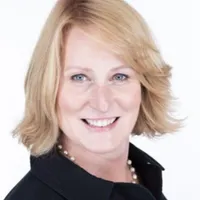
Melissa Leneis
Chief Human Resources Officer, Quaker Houghton
Unlock Peak Performance: Inclusion & Belonging Are Your Business Growth Engines
Episode 347 · October 9, 2025 · 7:35
Unlock Peak Performance: Inclusion & Belonging Are Your Business Growth Engines
Key moments
In Melissa's words
“When people feel a sense of community and can show up as their genuine selves, they do their best work. Inclusion, belonging, and wellbeing came central to how I defined talent investment.”
“Inclusion isn't just about representation. It's about helping people feel safe, valued, and able to contribute fully.”
“When people don't have to spend energy pretending to fit in, they do better work.”
Transcript
Read the transcript1,213 words
HostWelcome to the Built by People Podcast, where we share the stories and insights of the world's top HR leaders. Join us as we dive deep into the minds of HR executives, uncovering their strategies, challenges, and triumphs in shaping today's workforce. I'm excited to welcome Melissa to the Built By People Podcast. Melissa, thank you so much for joining us today. And as a starting question, I always love to ask if you could share a little bit more about your career journey.
GuestWell, it's great to be on the podcast. Thank you for having me. I'm a two-time public company CHRO, and my background spans various industries, including defense, industrial manufacturing, technology, and chemicals, industrial fluids, with experience across public, private, and PE-backed organizations. Going back to the beginning, I was drawn to HR in high school after hearing the head of HR for Walt Disney World describe his role. I was hooked by the idea of combining business, psychology, and people. I started my career in Lockheed Martin's HR Leadership Development Program, moving across the United States and learning what good HR looked like. I then joined a former business unit of Mars that was PE-backed to gain global experience where I helped build entities in China and led supply chain realignments while establishing core leadership fundamentals. Working in a private equity-backed environment was humbling. I had to relearn how to influence and deliver in a very different context. At Tyco, I partnered on enterprise-wide org design as the company shifted from holding to operating. I collaborated with my HR functional peers to design structures that enabled functional excellence. Pre- and post-merger with Johnson Controls, I led day-one integration efforts, choosing to follow the work instead of fearing the unknown. I then joined InterDigital, which is in the technology industry, initially to stand up the HR business partner and talent model, and was promoted to CHRO within a year. I was pregnant with my youngest daughter in the middle of a Workday implementation. Year-end comp planning, and beginning a CEO succession search, all just months before the pandemic. It tested everything. That's where my philosophy solidified. When people feel a sense of community and can show up as their genuine selves, they do their best work. Inclusion, belonging, and wellbeing came central to how I defined talent investment. We transformed HR from transactional to enabling, solving problems before they existed and earning credibility moment by moment. I moved into my second public company CHRO role in the chemical industrial fluids industry at Quaker Houghton, where I partnered closely with the CEO and executive team to realign the operating model, redesign core business processes, and establish a human capital strategy aligned to the company's 2030 growth strategy. In short, I've always followed the work, especially where HR had to be reshaped, where the business was evolving, or where leaders weren't yet ready to think differently. I've had the privilege of working with world-class professionals across the globe, and I believe growth comes from stepping into the unknown with purpose and grit. As a CHRO, staying close to the work has been invaluable. It's helped me recognize what good looks like, and more importantly, how to build towards it while bringing others along on the journey.
HostCan you tell us about a career-defining moment in your HR career, Melissa?
GuestAbsolutely. A defining moment was realizing just how much impact inclusion-based work can have. As CHRO, I researched our workforce demographics, gender, representation, tenure as examples, and listened to what people truly needed in addition to what the data showed me. I became a CHRO at 37 with 3 young children, often the only woman or youngest in the room. I deeply understood the need for community support and flexibility. We introduced global family planning benefits, expanded parental leave, launched a global wellbeing platform, and stood up colleague communities that created space for underrepresented voices. Through events like Mental Health Day, International Women's Day, and Pride, we invited real conversations into the workplace. Inclusion isn't just about representation. It's about helping people feel safe, valued, and able to contribute fully. One other defining moment was getting the chance to ring the closing bell at the New York Stock Exchange. I was the only female on the executive team, and many other women reached out to me afterwards saying how motivating and inspiring it was to see me and say, I know her.
HostAlyssa, can you tell us about how that career-defining moment impacted both the company and its employees?
GuestYes, absolutely. Regarding inclusion-based work, it reshaped how people experienced the organization. Retention and engagement rose. Women especially expressed deep gratitude for feeling supported in their careers and their lives. When people don't have to spend energy pretending to fit in, they do better work. Creating belonging wasn't a nice-to-have. It became a performance driver and a clear differentiator in how the company showed up for its people. I also found that genuine, meaningful conversations and connections multiplied.
HostCan you tell us about a challenge you've faced in your career and how you overcame it?
GuestA consistent challenge is ensuring leaders can lead through transformation. A strategy only works if people can understand it, apply it, and carry it forward. Leadership upskilling is critical. We met people where they were, we built shared understanding, and embedded psychological safety and inclusive leadership into our playbook, not as soft skills, but as business-critical capabilities. There were moments of frustration, but progress came through consistent messaging, coaching, and a focus on practical action. Transformation, I found, happens one conversation at a time.
HostAwesome. What's a legacy you hope to leave as an HR leader and why?
GuestI hope my legacy is that I made both organizations and people better, that I built HR foundations that live on, respected by the business and able to evolve, that people felt heard, welcomed, and given the opportunity to perform at the highest levels, that inclusion wasn't an initiative, it was embedded, and that kindness and results weren't mutually exclusive. They were connected.
HostMelissa, what parting advice would you like to share with our community?
GuestThank you for asking that. I would say lead with purpose, but stay human, stay humble, own a learning mindset always. When you build a human capital strategy, think beyond systems, think about how it feels to the people living inside of it. Build a world-class people function that earns trust. Invest in talent like it's your differentiator and tie everything back to your strategy. Use workforce planning to enable the future so you can solve for problems that you you haven't even faced yet. And above all, invest in inclusion. Finally, don't lose sight of yourself. Reflect on what you need to do your best work, the culture, the CEO, the type of challenge, and align your energy and yourself there. Stay true to your values because when you feel that you belong and when others feel that they belong, they bring their best, and that's the outcome that we're here to enable. Thank you.
HostMelissa, thank you so much for joining us today on the Built by People podcast. It was a pleasure to have you involved.
GuestThank you very much for the opportunity.
More conversations like this