Episode 167 · April 21, 2025 · 10:02
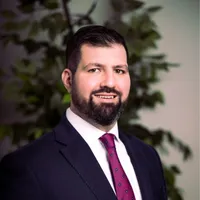
Jemar Ward
Chief People Officer, Public Health Solutions
From Policy Police to People-First: HR's Strategy for Engaging Gen Z.
Episode 167 · April 21, 2025 · 10:02
From Policy Police to People-First: HR's Strategy for Engaging Gen Z.
Key moments
In Jemar's words
“I want supervisors to supervise”
“a performance review should not be a surprise”
“not being what I call askholes, right? And getting feedback and sharing the feedback that we got and what we're doing about the feedback”
Transcript
Read the transcript1,463 words
HostWelcome to the Built by People podcast, where we share the stories and insights of the world's top HR leaders. Join us as we dive deep into the minds of HR executives, uncovering their strategies, challenges, and triumphs in shaping today's workforce. I'm excited to welcome Jamar to the Built By People Podcast. Jamar, thank you so much for joining us. And as a starting question, I always love to ask if you could share a little bit more about your career journey.
GuestThank you, Dave. It is an absolute pleasure to join you and share some thoughts, a little about my journey. I started my career in a field known as workforce development. Which helps people find employment. Usually these folks are from an underserved community. And so I did that for a few years, which kind of led into my HR career, starting off with recruitment. And I've spent over 10 years working in New York City government in various HR roles, starting as a director of recruitment and director of human resources in professional development, and then your senior director. And then from there, I got my fill of city government and went on to the nonprofit sector, starting off at a global nonprofit where I was head of HR there. And now I am at a nonprofit again called Public Health Solutions, which is the largest healthcare nonprofit in New York City. And so that is a big journey, but I'm happy to go deeper.
HostJamar, thanks for that great introduction. I'd love for you to tell us about a time when you successfully coached a supervisor to take more ownership on performance management. What were the challenges and how did you overcome them?
GuestWell, one of my, uh, sayings is I want supervisors to supervise I think there's a heavy need or request for HR to supervise. I have my own joke that I'm everybody's supervisor, and I try to shy away from that. I have my team that I supervise, and part of that is helping to empower supervisors to actually do that. And as it relates to performance management, I coach supervisors to think of performance management as an everyday affair and not something you do once a year. And I spend a lot of time telling supervisors in general that a performance review should not be a surprise, whether it's an excellent review or a poor review, that feedback should have gone along through the entire year. And so You can't adjust if you don't know. And so that's something I regularly communicate to supervisors. If I think of one particular situation in my current role, I've had a manager tell me that they've had a performance issue with a staff member for a year and a half. That's crazy to me. You know, what happened during that time that at this point now you're fed up, right? You had these situations that weren't documented. No coaching conversations, and now you're frustrated and now you want to eliminate this person. And so I said, no, you're gonna have to, you know, go through the discipline process and coach them and provide expectations and measurements. And then at the end of that, if it doesn't work out, then we'll revisit the conversation. And so in this particular situation, that employee left, but it's just really important that for the HR professionals out there that you are coaching your hiring managers, supervisors to not avoid conflict and not avoid reviews. They're important and it may be uncomfortable in that moment, but I, I think people would prefer to be uncomfortable for 10 to 15 minutes than a year and a half.
HostThat's great perspective. Thanks for sharing that. Jamarr, I'd love for you to share a case study where shifting to a culture of continuous feedback led to significant improvements in employee performance and engagement. What are the steps that you took to implement that change?
GuestI can think of a time when we implemented a new online tool and we used a tech box. We wanted to— and I should go back a little bit. They weren't tied to merit, and so there wasn't a real incentive to complete reviews. In order to build a, a culture of continuous feedback, we implemented learning as a tenet of the organization, becoming a learning organization, providing supervisor training. That way we have built accountability and we can say that we expect supervisors to be this, and in order to do that, we need to teach it. Right? We have a leadership dashboard now. In terms of continuous improvement, it's always asking for feedback, employee engagement surveys, exit surveys. So in the process of doing a state survey and really not being what I call askholes, right? And getting feedback and sharing the feedback that we got and what we're doing about the feedback, whether we can do something or not do something about it. I personally feel it's important to be transparent and share that, right? And so that way we're not collecting feedback for feedback's sake, and we're always looking to take that feedback and grow from that feedback. So for example, going back to Performax, staff really wanted the opportunity to, uh, do upward reviews, right? And that was a, a trending theme in feedback surveys that we've done. And we took that and we said, all right, we're gonna implement upward surveys. And so part of the performance review process is now to allow staff to rate their supervisor. Some supervisors are quite anxious about this, but my way of saying, if you're anxious, then you're not doing something right. But again, taking feedback, uh, looking at the trends, seeing what staff need, and then Finding a method to do, and so we implemented a tool that allows us to implement upward reviews, which was very well received. And then now this year we also implemented peer reviews. You want to have the whole picture, 360 review from your supervisor and you getting feedback from your supervisor and from your peers and your colleagues. So really getting the whole picture of you as an employee for your growth and development and not punishment.
HostJamarr, tell me about an experience working with Gen Z employees that challenged your assumptions or approach. How did this experience shape your strategies for engaging with younger employees?
GuestGreat question. I love Gen Z, and I love them because they're clear on what they want. And if it's not, if it doesn't meet their needs, they will leave. And Gen Z, they're tech savvy, they're very values-driven. Sometimes they're overwhelmed by traditional workplace expectations. And so I think engaging them through making sure they see clear paths to promotion, and if it's not there, how are you developing them? We've developed development plans and trainings and pouring into them without an expected output, right? Just genuine. Hey, we know you're early in your career and you may or may not have longevity with us, but we want to leave you better than when we found you. And so that level of care and receiving input and not seeing them as children, if you will, they are adults, but yeah, I think a lot of times Gen Z is children and push them away. And there's a lot of lessons to be learned. I've learned that Gen Z appreciates transparency. They appreciate clarity and they appreciate flexibility. Probably most flexibility, right? Because they will challenge and they expect their workplaces to be inclusive and culturally competent. And so we make sure that we provide those opportunities. We have a team called the Empower Cohort that addresses needs from an inclusive standpoint for the organization. And we have quite a few Gen Z members that have really offered some amazing ideas on how to improve the organization. I think the more that you can involve Gen Z and not alienate them, I think your organization will be much better off for it.
HostJamar, what parting advice would you like to share with our community?
GuestI think people think of HR as like policy or like the police, but it's really about people. It's really about performance and it's really about purpose. And if you're in a leadership role within HR or looking to be a leader within the HR space, take the time to understand your people, learn your programs, learn the call centers, set clear expectations, and model the culture you want to build. That would be my advice for listeners. Stay bold, be courageous. Yeah.
HostThank you so much for joining us on the Built By People podcast. It was a pleasure to have you involved.
GuestThank you. It's my pleasure.
More conversations like this