Episode 41 · January 10, 2025 · 11:44
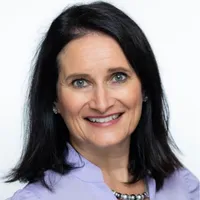
Jeannie Virden
Enterprise CHRO, Central Health
Beyond Skills: Cultivating a Culture of Trust with Visible, Empathetic HR
Episode 41 · January 10, 2025 · 11:44
Beyond Skills: Cultivating a Culture of Trust with Visible, Empathetic HR
Key moments
In Jeannie's words
“Being in healthcare, I wanna make sure that the team members that we're hiring, whether they are gonna be patient-facing or even and support operations like HR, that they have empathy, right? That they see the importance of delivering compassionate care.”
“I think it's so important to recognize everyone, not only for their successes and the wins, but when they try and they don't necessarily succeed, but then they continue and they have the resiliency to try again.”
“No, we're there. We're showing support. We're asking questions. We're helping them navigate through the challenges that they have, whether it's getting them connected with someone in benefits or getting them connected with someone in talent acquisition...”
Transcript
Read the transcript1,938 words
HostWelcome to the Built by People podcast, where we share the stories and insights of the world's top HR leaders. Join us as we dive deep into the minds of HR executives, uncovering their strategies, challenges, and triumphs in shaping today's workforce. I'm excited to welcome Jeanie to the Built By People podcast. Jeanie, thank you so much for joining us. And as a starting question, I always love to ask if you could share a little bit more about your career journey.
GuestYeah, absolutely. Thank you very much for having me here. I've had a very interesting career journey. Keep it short, sweet, and simple. I actually started off in education as a high school business teacher, did that for about 9 years and decided I needed to do something a little bit different. Went and actually started working for a hospital and then did that for about 2 years and then transitioned into a federally qualified health center setting. In the community in which I lived and just fell in love with healthcare. And that was my first opportunity for HR. It was, they just put me right there and said, it is now yours, learn it and go. And I've been in healthcare HR for the last over 15 years and have just really enjoyed every moment of it.
HostExcellent. My first question is around the evaluation of candidates as we're thinking through the topic of talent acquisition. What are some of the key qualities or skills that you tend to prioritize when evaluating candidates to join your workforce?
GuestYeah, absolutely. So one of the things that, you know, I take wholeheartedly and looking at is we can build skills, right? So I'm really looking holistically at the person. Being in healthcare, I wanna make sure that the team members that we're hiring, whether they are gonna be patient-facing or even and support operations like HR, that they have empathy, right? That they see the importance of delivering compassionate care. They understand the role that they play in that, again, whether it's direct or not. So the other thing I think is very important is their adaptability, right? So we are in an ever-changing world, especially as it relates to technology. So they have to really be able to be adaptable. And creative. And then two, really cultural alignment and team fit, if you will. So just ensuring that they're mission-driven, reason for wanting to— they're mission-driven, that's the reason why they want to join us. They connect with the team, they connect with kind of our overall culture, and that they're willing to learn, that they're willing to learn as they move through their career journey with us, learn, grow, and develop. And that's really kind of what I'm looking for in candidates.
HostYou talk about like mission and organizational fit. Curious to get your perspective on how you determine what makes your industry or organization appealing to potential employees.
GuestYeah, so we are in healthcare, but really our patient population is the uninsured and underserved residents of our county. So we are really that safety net provider, and that is our population. And so we, that's really, I think, what makes us attractive is that, you know, first of all, healthcare in and of itself, that is, you know, just a mission-driven organization. But really, we're serving a population that not everyone serves. So you can't, you know, go to a private physician's office and see the patient population that we're doing. So really, the people that are coming and wanting to work with us they have a connection and they want to serve in their communities for those people that need it the most.
HostWhat specific steps do you take to create a supportive environment where employees feel connected and valued?
GuestSo I think there's really several different things around this. There's really, you know, employee feedback channels and how we take and hear their voice, and then communicate back to them that based off of what they're telling us, this is what we're doing, why we're doing it, how we're changing it. Or even if we can't, letting them know why, but what we're gonna be doing, um, in the future to monitor it. I think it's so important to recognize everyone, not only for their successes and the wins, but when they try and they don't necessarily succeed, but then they continue and they have the resiliency to try again. And, and then once they get it right, it's so impactful. So really giving them the space to have that creativity and that latitude to make those mistakes, but then really bring it back and do better. Of course, wellness support resources across the board, not only for our employees, but really looking at their, their needs as far as their families across the board. And I think Really, the other part is making sure that we have inclusive leadership. We're fostering a culture of psychological safety where we, you know, are listening, are allowing them to be their authentic selves, bring their whole selves to work, and we are, you know, recognizing that, accepting it, and then, uh, celebrating and fostering that. Because I think that's when we get the best results from our team members is when they can do that. So that's, are some of the things that we're trying to do to make a connected environment for them.
HostHow do you break down the stigma or fear around HR to foster stronger relationships between the team and HR leaders, particularly in the medical space?
GuestYeah, absolutely. So I think first and foremost, you have to be visible, right? So it's— you have to be visible at all times, and engage with the team members. So you're not there just, oh, HR's here, what's going to happen? Who's getting disciplined? Who's getting fired? You know, what's going on? It's a bad day when HR shows up. No, we're there. We're showing support. We're asking questions. We're helping them navigate through the challenges that they have, whether it's getting them connected with someone in benefits or getting them connected with someone in talent acquisition, you know, giving them all of the information around our learning and development opportunities, and really being a partner for the team members as well as the leaders and helping the leader work through, you know, the solutions that they need in order to lead their teams more inclusively, you know, more with empathy and that type of thing. So I really think that's so key in what we do is, you know, be there, be visible, have proactive engagement, and, you know, transparency and communication as much as possible. And really, I think it's important for HR, but everyone at every level, you know, when you're talking to people and they ask a question, it's so easy for us to, you know, try to, you know, make up something or do something, but it's okay to say, I don't know, let me get back to you, and then follow through on that. And I think when you can show that you don't know everything, But you're going to make sure that you follow up and then you follow through on that. That's going to make connections with those team members and leaders.
HostJeanie, what HR-related investments have proven most effective in building trust and collaboration within your team?
GuestWell, within my team, first and foremost, we actually just went through an implementation of a new human resource information system. And payroll system, that actually launched 5 days ago. So I think that showing them that there's an investment in technology to help them make their work easier and better, and we can get better data, better data analytics out of those systems to be able to help support the work that they do, that has been a huge win for us. So really the technology, you know, for transparency, if you will, The other part is that we also do every quarter, about every 4 months, I guess I should say, I bring my team together and we do team retreats. So we go offsite, we spend almost the whole day, and we're really working collaboratively together, and we're talking about what are the HR strategic initiatives, how do they align with the organization, what are we doing? We take time to highlight everyone's success, you know, some of the larger projects and everything that we're doing. We take time to connect as a team. We have our wellness moments as well. That's very important to us. And then I think, you know, the other thing is we work on projects together through that time so that we really get a sense of being able to collaborate across the team and not just kind of in our individual areas of expertise. So I think that that's really impactful. And last I would say is that I, as a former educator, I am very, very, I'm a very strong proponent of continuous and professional growth, right? So learning and development. And one of the things that I stress to my leaders, and we push it down, is we want to help our team grow the best way possible. And we support them in what that looks like. And learning and growth looks different for everyone. So it's not about just going to get a certification and check that box, but it's like, what do you wanna learn in HR? How can we help support that? I actually had someone in our talent acquisition team who came to me and was like, hey, I really start to like, I would really start to look, like to look into, you know, HR, you know, AI type of field certification, that type of thing. And I told her, yes, let's absolutely do it. It's something that she wants to do. It'll help her learn and grow. And it's going to be, it's going to be beneficial to our entire team. So when we're looking at that, it's not just about what, you what is your job scope and it has to align with that. It's really how is it going to help you professionally grow? How's it gonna help our team? And that type of thing. So I think those are the ones that I, I really focus in with our team.
HostJeanie, any parting advice you'd like to share with our community?
GuestYeah, absolutely. So I think, you know, from my perspective, the way that you can support anyone, whether you are a leader, whether you are a, just an individual contributor and you're working with your peers, is to really be authentic and be yourself and really ensure that we are looking at everyone with empathy. We don't know what everyone's going through. And so, you know, you don't have to be best friends. You don't have to know everything about their life, but we do work together. And so we do need to give everyone space. And grace in order to have, you know, their best days at the office, whatever that looks like. So that would kind of be my advice to everyone is really treat everyone individually the way that you would want to be treated and bring your authentic self to work and let everyone else do that as well.
HostJenny, thank you so much for joining us in the Built by People podcast. It was a pleasure having you involved.
GuestWell, thank you. Thank you very much for having me.
More conversations like this