Episode 318 · September 4, 2025 · 11:09
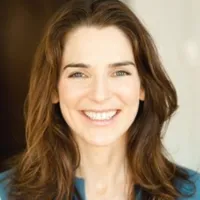
Dr. Amy Campbell
Chief People Officer, Overhaul
Stop chasing revenue: Human psychology fuels lasting business success.
Episode 318 · September 4, 2025 · 11:09
Stop chasing revenue: Human psychology fuels lasting business success.
Key moments
In Dr.'s words
“I built a cultural statement that was really truly rooted in evidence ideas about people and not just business jargon or catchy phrases.”
“Positive psychology and strength-based approaches... really do share a common goal, and it's to foster like wellbeing and resilience by focusing on strengths.”
“I am definitely, I think what I really had to kind of relearn is, of course, I'm the CPO of my company, but I am also the CEO of myself.”
Transcript
Read the transcript1,574 words
IntroWelcome to the Built by People podcast, where we share the stories and insights of the world's top HR leaders. Join us as we dive deep into the minds of HR executives, uncovering their strategies, challenges, and triumphs in shaping today's workforce.
HostAs a starting question, I always love to ask if you could share a little bit more about your career journey.
GuestYeah, thank you so much for having me, Dave. I have a pretty atypical people ops and HR story, I feel like. I am a chief people officer, but my deepest roots are actually in the mental health and education space. I have a PhD in counseling and clinical supervision. And prior to my time in the corporate space, I really held just multiple roles in the mental health world. I was a clinician. I've trained other counselors. I taught graduate courses in mental health and cultural diversity. And I just built a lot of mental health programs from the ground up. So, made a big leap actually into the corporate world, the corporate tech world about 10 years ago, and have had a lot of different learnings and takeaway from the two different worlds.
HostExcellent, Amy. Thank you for that great introduction. I want to jump in by asking about any career-defining moments that you've had. You know, you've spent 10 years where you are now. You've obviously had careers before that career. Curious to understand, you know, some of the needle-moving moments in your career that have shaped who you've become today.
GuestYeah, I feel like this is maybe not the most like juicy or like zesty answer, but I think because psychology and human development are really my core roots, one of the first things that I did in my corporate position is I built a cultural statement that was really truly rooted in evidence ideas about people and not just business jargon or catchy phrases. And I did this because I just know and firmly believe that you can have the best like product and even revenue strategy in the world, but if you do not have people that are gonna be engaged, are aligned and feel truly supported, you won't succeed as a company. So I think in terms of impact, doing this was career-defining because of the thousands of things that happened from that foundation and anchor point across our company. And it really was due to our aligned commitment to those values. And standing that up from the very beginning as a foundation, it definitely has never been just a poster hanging on the wall. It really became the path and kind of like guidelines that we all walk on in the company. So I wasn't just the champion. It became something that everybody was living by in the company.
HostAmy, could you speak in a little more depth about how that moment impacted the company and the employees that were a part of that movement?
GuestYeah, I mean, I think that there were so many initiatives that came out of that, but just everyday choices and decisions that got made. And again, it wasn't just me being a champion of those things. It was everybody in the company. So it's impossible to count, but I think one thing that I did specifically spearhead is we have a commitment according to that code to take a strength-based approach to the way that we structure our teams, to our environment. And basically what I did was I used something called positive psychology and values and actions assessment in a variety of ways to foster this. So positive psychology and strength-based approaches, they really do share a common goal, and it's to foster like wellbeing and resilience by focusing on strengths. It's called positive psychology for a reason. So to focus on strengths and positive attributes in people rather than solely deficits. So positive psychology is the framework while the strength-based approaches offer practical strategies for implementing the framework. And there is a lot of evidence that this really helps people to feel less worried and stressed at work, and so they perform higher. And there's a lot of evidence the companies that take this approach, they're about 20% more profitable than companies that do not. So, and also on top of that, it really, it facilitates teammates understanding each other at a deeper level, and it really sets a tone of we're a company that actually cares about you really are and what motivates you and how you work best. And you're not just a resource for us. So that's one thing. And I think we have some other commitments around like teaching and learning. So we do a Food for Thought series, which is actually led by our employees. They teach different things that they're passionate about. And it's an ongoing learning series. And then we have commitments like wellness, where we have something called BAM time, and it's body and mind movement, where people have it blocked on their calendars and they honor it for each other and themselves every day, where they take time to step away from their computers and do whatever it is that they need to do to recharge their batteries. So those are just a couple of examples of things that have happened across the company around that.
HostAmy, can you talk about a challenge that you faced in your career and how you overcame it?
GuestOh my, so it has been an incredibly rewarding career journey, especially being in the two different spaces and building, helping to build a company from the ground up. So it's been incredibly rewarding, but it's also been incredibly exhausting. So we were a team of 5 people when we started the company and then Over the course of 10 years, we grew exponentially. Like so many other companies, we went through a global pandemic. We had a core team in Ukraine that of course came with its own challenges and issues in supporting that team. We stood up 4 new offices. We went through some complex acquisitions and mergers, and the list goes on and on, right? But also, all of us as leaders, we navigate all of those personal things in our lives, illnesses, losses, moves. And I think for me, I am definitely a mental health professional at heart, as I mentioned earlier, who quote unquote knows all about stress management and burnout. And man, oh man, did I burn myself out and had to really relearn some things. I am definitely, I think what I really had to kind of relearn is, of course, I'm the CTO of my company, but I am also the CEO of myself. And every time I make a withdrawal from myself and I don't make a deposit, I'm actually contributing to being less effective as a leader and being less effective in both of those roles. The CPO role and the CEO role of myself. I also do some executive coaching and mentoring on the side, and this by far is the most common theme that I'm talking about with people. People losing their sense of like agency and self-compassion in the tidal wave of trying to push through all sorts of things to build an amazing business. So I think the challenge was having to relearn all of those things about boundaries, self-care, rest, and stress management.
HostAmy, what's a legacy you hope to leave as an HR leader and why?
GuestYeah, I firmly believe in this people sciences becoming more of the foundation of the corporate world. I would love, love, love to see that happen. There are really so So many different opportunities for the two spaces to learn from each other. But I think that the corporate world could really benefit from being built from that solid foundation of psychology and understanding people and what motivates them, group dynamics, behavior change. So yeah, that solid foundation of psychology and how important that is. I hope that that's one legacy that I leave. And I mean, going back to my earlier comment, I think any company can have the best products and the best revenue strategy in the world, but if you don't have people who are engaged and aligned and they feel supported, you're just not going to succeed.
HostAmy, what parting advice would you like to share with our community?
GuestI think I'll start with a question, and it's, What are the things that you do as a leader to recharge your batteries? And my advice would be prioritize them. And if you don't have any tools, I think prioritize finding them and you can start really small. You can start as small as take a breath before you respond to that Slack message. Pause, take a breath before you respond to that email. Um, yeah, I think really prioritizing the things help you because your own grounding and mental health has obviously a significant impact on you, but it also impacts your leadership ability. It's directly correlated. And I think I would just say the leadership over your own life is the most important leadership responsibility you will ever have in every context.
HostAmy, thank you so much for joining us today on the Built by People podcast. It was a pleasure to have you involved.
GuestThank you so much for having me, Dave. Appreciate it.
More conversations like this