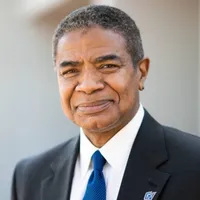
Diane Sanford
Chief People Officer
Unleashed Brands
Trust & Purpose: Architecting High-Performing Cultures for a New Generation
Thesis
“Fostering a foundation of trust and clarity is paramount for creating best-in-class workplace cultures that enable employees, particularly younger generations, to thrive and connect their work to a larger purpose, while strategically leveraging technology to enhance human connection.”
What you'll take away
- 01Establish trust and clarity as non-negotiable foundational elements for a resilient and thriving workplace culture.
- 02Develop personalized career paths, mentorship programs, and stretch goals to meet the high growth and impact expectations of millennials and Gen Z.
- 03Connect employees' daily tasks to the organization's overarching mission to foster an emotional connection, thereby increasing engagement and retention.
- 04Utilize AI to automate administrative HR tasks, freeing up HR professionals to focus more deeply on human connection, culture building, and employee understanding.
- 05Adopt a mentorship approach that prioritizes listening, honest feedback, and empowering individuals to unlock their potential and confidence.
What most organizations get wrong
- Traditional 'work-life balance' is a misnomer; instead, leaders should provide a framework for employees to align their time with their personal priorities.
- AI will not replace humans in HR; rather, it offers the opportunity to create more space for genuine human connection by automating routine tasks.
In Diane's words
“The foundational element in the workplace to me is trust. And so I think that's the piece of the culture where you have to start.”
This quote highlights trust as the absolute prerequisite for building any successful workplace culture.
“Millennials and Gen Z are looking for growth and impact and a sense of belonging. So they're looking to the workplace place to give them things that they historically got from their social groups or their community. And they expect that from day one.”
This defines the unique and demanding expectations younger generations bring to the workplace, impacting retention strategies.
“AI is absolutely reshaping how we work. I don't think it replaces the human being, though. I think the real opportunity for HR or people in my job is to use technology to create more space for connection.”
This offers a forward-thinking, human-centric perspective on integrating AI into HR, emphasizing connection over replacement.
“My belief around mentoring and the role that I play is I'm there to listen, I'm there to give honest feedback, and I'm there to help people find what they're responsible for so that they can reach their potential and be their best selves.”
This provides a clear, actionable philosophy for effective and empowering mentorship.
“Don't wait for someone to hand you the perfect opportunity. Build your skills. Create value where you are and surround yourself with people who challenge and support you. And if you are in a leadership role, I would say use your influence to create space for other people. Help someone else rise.”
This powerful advice encourages proactive career development and highlights the importance of leaders empowering others.
The problems this episode addresses
- Struggling to meet the high expectations of growth, impact, and belonging from millennials and Gen Z, leading to retention challenges.
- Difficulty in shifting from generic training programs to personalized development tracks that truly resonate with individual career aspirations.
- The challenge of integrating new technologies like AI without dehumanizing the employee experience or losing vital human connection.
- Establishing and maintaining foundational trust and clarity across an organization, particularly when leadership communication is perceived as misaligned.
- Developing flexible frameworks for work-life integration that move beyond the traditional, often unrealistic, concept of 'work-life balance'.
In this episode
Intro
As Chief People Officer of Unleashed Brands, you focus on helping employees thrive
Top Executives: The Workplace Experience
Building best-in-class workplace cultures requires trust and clarity
What Makes a Best-in-Class Workplace Culture?
Diane: The pandemic reshaped workplace priorities at Unleashed Brands
Employee Development Programs evolve to meet the demands of Millennials and Gen
With AI and other technological advancements, what challenges do HR leaders face
Human Connectivity in an AI World
Diane, what parting advice would you like to share with our community
A message from Diane Lockhart
Topics covered
Organizations and entities mentioned
Full transcript
Expand transcript (1190 words)
Welcome to the Built by People podcast, where we share the stories and insights of the world's top HR leaders. Join us as we dive deep into the minds of HR executives, uncovering their strategies, challenges, and triumphs in shaping today's workforce. I'm excited to welcome Diane to the Built by People Podcast. Diane, thank you so much for joining us. And as a starting question, I always love to ask if you could share a little bit more about your career journey.
I would love to. Thank you so much for having me on the podcast. I started my journey in employee relations and legal compliance. And over time, I just realized my true passion was in helping people thrive in the workplace and really focusing on the workplace experience. I've had the opportunity over the years to lead almost every HR function that you could think of, from employee relations to recruiting to compensation, you name it. But what's always motivated me is finding out, digging into that sweet spot between where the employee work experience connects with the consumer or the customer or the guest. And I spent a long stretch at Brinker International in the hospitality industry. And now as Chief People Officer of Unleashed Brands, I really get to work with some amazing franchisee partners And here, it's fast-paced. It's quick-moving, high-impact work. And I just really love being a part of this company because of the focus on kids.
Diane, as someone who's passionate about building best-in-class workplace cultures, what key elements do you believe are essential for creating and maintaining such an environment?
For me, when I think about all the things that I could give you as an answer for this. The foundational element in the workplace to me is trust. And so I think that's the piece of the culture where you have to start. And then from there, you build on top of that. If people don't trust leadership, what you're saying, how you're saying it, then everything else becomes misaligned the farther away you get from the basics. After that, it's about clarity. So people need to know what's expected of them, where they fit in the organization, and how the work that they do impacts the overall business. So I think trust and clarity are the two major components.
Dan, in a previous conversation, you mentioned how the pandemic reshaped workplace priorities. How has this influenced your approach to leadership and organizational culture at Unleashed Brands?
For me, having— I think we've all went through the pandemic, it just really humanized the workplace. We got to see our colleagues as people more so than just the work that they did. And at Unleashed Brands, for us, that meant leaning into workplace flexibility, mental wellness, helping people find not traditional work-life balance because I really think that's a misnomer, but we provide a framework to help people put their time where their priorities are. So flexibility, wellness, and we really leaned into figuring out different ways to communicate.
Diane, the workplace relationship has evolved significantly from previous generations. How are you adapting your development programs and retention strategies to meet the needs of today's workplace or workforce, particularly among millennials and Gen Z?
Yeah, that's a great question. It's a super big challenge for people in my role. Millennials and Gen Z are looking for growth and impact and a sense of belonging. So they're looking to the workplace place to give them things that they historically got from their social groups or their community. And they expect that from day one. So we've moved away really from generic training and built more personalized development tracks. We just launched a mentoring program. Everybody has an individual development plan where we focus on stretch goals, and really work with them on an individual basis to outline their individual career path. We also spend a lot of time talking about purpose. A big part of our mission is serving kids and families, and I think when any employer helps their people connect what they do to the bigger picture, you create an emotional connection where people feel that sense of belonging, and then engagement naturally goes up, and as well as retention, which you want as well.
Diane, with AI and other technological advancements impacting how we work, what challenges and opportunities do you see for HR leaders in maintaining human connection while embracing these changes?
AI is absolutely reshaping how we work. I don't think it replaces the human being, though. I think the real opportunity for HR or people in my job is to use technology to create more space for connection. So if we can automate admin work or get help or ideas to frame out a program quickly, and then we edit what it provides to us, I think that's how you figure out where AI fits in your organization to give you as the human time to focus on building culture and understanding and getting to know your employees better. We need to just— the challenge is how do we not dehumanize the experience but leverage the tool to help us connect more broadly and more deeply with the people who we work with.
You've spoken about the importance of mentorship in leadership development. Can you share how mentorship has shaped your career and how you approach mentoring others?
Mentorship has played a huge role in my life and my career. I know I wouldn't be where I'm at if not for other people who took time to teach me something or ask me what I was interested in. I had people believe in me before I really believed in myself. And so I try to pay that forward. It's incredibly important to me to mentor people who want to get ahead, who need just some advice. And my belief around mentoring and the role that I play is I'm there to listen, I'm there to give honest feedback, and I'm there to help people find what they're responsible for so that they can reach their potential and be their best selves. I think mentoring is really a two-way relationship. I think you both get something out of that exchange. The bottom line for me and what it did for me is I think it's about helping people unlock their voice and find their confidence.
Diane, what parting advice would you like to share with our community?
I think this is particularly relevant for today's workforce, young millennials and Gen Z. I would say don't wait for someone to hand you the perfect opportunity. Build your skills. Create value where you are and surround yourself with people who challenge and support you. And if you are in a leadership role, I would say use your influence to create space for other people. Help someone else rise. I think that's the kind of leadership that truly leaves a legacy.
Diane, thanks so much for joining us today on the Built by People podcast. It was a pleasure to have you involved.
You're welcome. Thanks for the opportunity.