Episode 178 · April 30, 2025 · 6:01
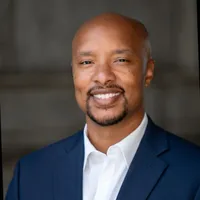
Dee Brown
CHRO, West Bend Insurance Company
Transform HR: From Policy Enforcer to Business Strategy Driver
Episode 178 · April 30, 2025 · 6:01
Transform HR: From Policy Enforcer to Business Strategy Driver
Key moments
In Dee's words
“HR builds credibility and influence in knowing the business. If you just know HR stuff, people are less likely to listen. But when you can know and talk the business strategy, and you can connect the talent and the people strategy people listen because they're like, okay, you know your stuff.”
“I think the strategies that are most effective is when you bring everyone along with you and have input from your leadership teams into your strategies... letting them have buy-in and input into whatever you're creating.”
“I have found that using data and knowing who to use data with and knowing who to use my gut with, is very key. So I say emotional intelligence and understanding who your business leaders are, your executive leaders, is extremely important.”
Transcript
Read the transcript893 words
HostWelcome to the Built by People podcast, where we share the stories and insights of the world's top HR leaders. Join us as we dive deep into the minds of HR executives, uncovering their strategies, challenges, and triumphs in shaping today's workforce. I'm excited to welcome Dee to the Built by People podcast. Dee, thank you so much for joining us. And as a starting question, I always love to ask if you could share a little bit more about your career journey.
GuestYeah, thank you. Glad to be here. My career journey started over 20 years— I can't believe I'm saying that— in the insurance industry in HR. With some— you may know the Good Hands folks— spent about 20 years there in COEs, but mainly in HR business partner roles, and went on to continue. Knew I needed to see and experience a different culture, still in insurance. So I stayed insurance, but I left for a couple of years, and then did a complete industry change and went into senior living and senior housing and leading the HR transformation right out of COVID With a senior living organization when they were really trying to change their employee experience and really do an enhancement to their employee experience. But I always knew in my heart of hearts I would go back into insurance, and I'm currently with West Bend Insurance in West Bend, Wisconsin.
HostDee, I want to jump in with my first question, and it's around how HR builds credibility and influence without being the policy police, as some may know it as?
GuestYeah, I think that's a— it's an awesome question. And what I believe is that HR builds credibility and influence in knowing the business. If you just know HR stuff, people are less likely to listen. But when you can know and talk the business strategy, and you can connect the talent and the people strategy people listen because they're like, okay, you know your stuff. And I think that brings a level of credibility to HR where you don't have to necessarily be the HR police.
HostDee, what strategies have you found most effective for building a strong company culture?
GuestI think the strategies that are most effective is when you bring everyone along with you and have input from your leadership teams into your strategies, whether it be looking at from a culture standpoint, how do we enhance the culture? How do we enhance the employee or associate experience? In our case, it's really making sure that you're hearing from all levels up and down around what does that mean and letting them have buy-in and input into whatever you're creating. I would say if you're just HR creating stuff, we're just creating HR stuff. But when people feel like they have buy-in and they can have helped create it, I think you get a lot— go much further in your strategies.
HostDee, building on that thread, how can HR leaders gain executive buy-in for culture and people initiatives?
GuestTalk to your peers. Make sure— don't roll out something that's fully baked, right? Give them something to look at and something to react to. Bring in some data. That's another element I think that is critical of having data. Making sure you're bringing in the business lens, but look for and seek, actively seek their feedback and thinking through what are the implications, what are the risks, what are the consequences, how will this impact their business, but bringing them and actually getting their buy-in along in those conversations. But I have found that using data and knowing who to use data with and knowing who to use my gut with, is very key. So I say emotional intelligence and understanding who your business leaders are, your executive leaders, is extremely important.
HostDee, what are some common challenges HR faces in establishing influence, and how can they overcome them?
GuestIt depends on where the organization is and what the organization has historically seen HR's role as. Because if the organization has typically seen HR in a very operational type role, there's going to be challenges to get to see HR as that strategic partner. Creating clear and small short-term and long-term wins will be important in that space. So how can I help you achieve your, your business, your talent, your business strategy through talent strategies? And those small wins make a big difference. The other piece that I would say is extremely important that I think sometimes we forget about in HR is communication, telling our story. And, you know, that people sometimes don't even know what we're doing, and we're doing some great stuff in HR. And so that helps to overcome challenges with influence when you're telling your story, you're using data, and you're bringing people along with you.
HostDee, what parting advice would you like to share with our audience?
GuestOrganizations are transforming. And my parting advice is HR, step outside the box of HR and see yourselves having that influence into your business strategies in a powerful way. But understanding what the business strategies are is absolutely key and use data to do it.
HostDee, thank you so much for joining us on the Built by People podcast. It was a pleasure to have you involved.
GuestThank you so much.
More conversations like this