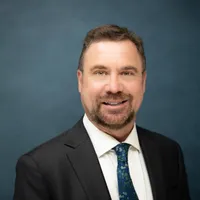
David Gaspin
Head of Human Resources
CodeGreen
Don't just scale processes: Intentional culture drives lasting company growth.
Thesis
“Successfully navigating company growth requires HR leaders to intentionally blend operational scaling with cultural initiatives, fostering meaningful connections and clear communication to preserve organizational identity and enhance employee engagement.”
What you'll take away
- 01View resistance to change as a data point stemming from fear, misalignment, or lack of trust, and address the underlying cause strategically.
- 02Recognize that culture and operations are inseparable; investing in intentional cultural initiatives is as crucial as improving processes for scaling success.
- 03Simple, human-centric programs, like random coffee chats, can significantly boost employee engagement and cross-functional collaboration more effectively than traditional communication methods.
- 04When introducing new frameworks (e.g., OKRs), prioritize communicating the 'why' to employees, reframing the initiative to create a shared language and alignment rather than perceived control.
- 05Don't wait for formal permission to lead; identify what's missing or broken, speak up, build alliances, and take initiative to drive impactful change.

What most organizations get wrong
- The issue during growth isn't necessarily the quantity of communication (more meetings/newsletters), but the quality of 'meaningful connection.'
- Often, the most powerful solutions for cultural impact are simple, consistent humanizing efforts rather than huge, revolutionary 'future of work' initiatives.
In David's words
“What I came to understand, and I'm glad I came to understand this pretty early on in my startup life, was that most of the tension isn't about what people are doing, but it's about what they're saying and what they're not saying.”
This highlights that communication, not just tasks, is often the root cause of scaling challenges.
“Culture and operations are not two distinct things. The way people feel at work and the way that work gets done are two sides of the same coin.”
This quote succinctly articulates the inseparable nature of organizational culture and practical execution.
“I used to take that personally, but I've learned to stop doing that and really instead look at resistance as a data point because usually it comes from one of three things. It's fear, it's misalignment about goals or outcomes, or it's a lack of trust.”
This provides a valuable framework for leaders to understand and address resistance constructively.
“This wasn't about control. It was about creating a shared language that we could use to describe what we're all working toward.”
This reframe for OKRs demonstrates how to overcome skepticism by focusing on shared purpose over perceived bureaucracy.
“But sometimes in my experience, the most powerful solutions are the simple ones that still find a way to have impact on culture in kind of a profound way.”
This emphasizes the effectiveness of small, consistent humanizing efforts over large-scale, complex initiatives.
“Don't wait for permission to start leading. Maybe that's more specific. Just pay more attention.”
This serves as a powerful call to action for individuals to proactively drive impact regardless of their formal role.
The problems this episode addresses
- Scaling companies struggle to maintain 'startup magic' and organic collaboration as they grow, facing tension in operational processes and cultural cohesion.
- Employee engagement suffers in rapidly growing companies due to feelings of being 'out of touch,' especially across teams, where traditional communication methods fall short.
- Implementing new frameworks or initiatives (like OKRs) faces significant resistance from leadership (fear of bureaucracy) and employees (perceived administrative burden or micromanagement).
- Leadership teams in growing companies experience anxiety from decreased direct visibility into day-to-day work, requiring new methods for alignment without resorting to command-and-control tactics.
- Cross-functional project velocity and collaboration are hindered by a lack of meaningful connection and understanding between employees in different departments.
In this episode
Built by People podcast features insights from world's top HR leaders
Built by People
You've spent 15 years building and scaling HR functions for growth stage companies
How Did You Start Your Career?
David: Growth stage companies face a common challenge: scaling operations without culture
Culture vs. Operations: The Challenge
David, how did you approach building a team or a project that encountered resistance
How to Build a Team With Skepticism or Resistance
David Miller: One company was struggling with employee engagement as it grew rapidly
What's Innovation at Work?
David Miller shares a story about a mentor who significantly impacted his professional development
What's A Mentor?
David, what parting advice would you like to share with our community
David Rockefeller on Built by People
Topics covered
Organizations and entities mentioned
Full transcript
Expand transcript (0 words)
Transcript is not available yet.