Episode 71 · January 30, 2025 · 12:06
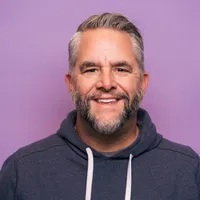
Bryan Power
Chief People Officer, Nextdoor
Modern CHROs: Master Business Acumen to Unlock Peak Employee Performance
Episode 71 · January 30, 2025 · 12:06
Modern CHROs: Master Business Acumen to Unlock Peak Employee Performance
Key moments
In Bryan's words
“I personally feel like the COVID-19 pandemic was a real inflection point for this role in particular.”
“Chief people officers can't get constrained to being the answer on people questions and then quiet on questions that are not people-related.”
“The pandemic mainstreamed mental health as a challenge because so many people were dealing with stress at a level that they'd never dealt with before. So I think it really helped normalize a lot of the conversations around this.”
Transcript
Read the transcript2,348 words
HostWelcome to the Built by People podcast, where we share the stories and insights of the world's top HR leaders. Join us as we dive deep into the minds of HR executives, uncovering their strategies, challenges, and triumphs in shaping today's workforce. I'm excited to welcome Brian to the Built By People podcast. Brian, thank you so much for joining us. And as a starting question, I always love to ask if you could share a little bit more about your career journey.
GuestSure thing. So I've lived in the Bay Area for about 25 years. My career exclusively in technology actually came out here in the late '90s as part of the dot-com boom. And, you know, spent the 2000s— number one, I started in executive search and spent— around 2005, I joined Google just after it went public. It was about 3,000 employees at the time. I left 7 years later when it was close to 80,000 employees at Google. I was primarily in recruiting roles, recruiting leadership roles. Early 2010s was a really vibrant period for startup companies that kind of came out of the Great Recession of the economic crisis of 2008, 2009. This company is like Uber and Airbnb and Dropbox and Pinterest and Square were all 100, 150 people organizations. And I was really drawn into that. So I joined Square. There were about 150 people as a startup. I stayed there for about 3 years just before they went public. And I was recruited by Marissa Mayer at the time, was the CEO of Yahoo, to be her CHRO. That turnaround of Yahoo was a really compelling story in Silicon Valley at that time. The company was ultimately sold to Verizon, its core business, and I took some time off. The end of 2018, I joined Nextdoor as its first chief people officer. Similar story was about 150 people at the time. The incoming CEO, Sarah Friar, was really bringing in a new leadership team. And it's been a wild ride. You know, during my time at Nextdoor, we experienced COVID, we raised money and then took the company public. We've grown to over 100 million users. I became a dad, like all sorts of stuff have happened. Sometimes I have to think for a second to remember what I did before I joined Nextdoor. But yeah, I'm in year 7 and it's going great.
HostBrian, how has the CHRO role evolved in recent years and what new responsibilities are now expected of HR leaders?
GuestYeah, I mean, I think this is a conversation that's gone on for a long time, but I personally feel like the COVID-19 pandemic was a real inflection point for this role in particular. Generally, people like to talk about how the role has moved from a kind of back office administrative service function where you keep processes running really well to being more strategic. And I've certainly seen the role grow over time into that space. But, you know, COVID-19 kind of centered the chief people officer at two things. Number one, the way people work, specifically remote, working from home plus in-office, was just totally disrupted. You know, it's not that people didn't work remotely before COVID but it was a minority. You know, the only companies that did it were small, you know, a couple hundred people or less, really below 100 was the most common., and people who work remotely had this core group they could latch onto that was together all the time, 4 or 5 days a week. And so the nature of this problem was just so unprecedented and so systemic. I think everyone kind of turned to the chief people officer like, what are we gonna do? And it was not a problem that you could say, oh, what I did at my last company, or, or this company's doing. It really was this chaotic creative space to figure out what happened. And I think that that elevated the role to be thinking about problems in different ways. I think that that's really continued even as hybrid remains, you know, major, major topic today. I just find that the expectations of this leader now is one to solve different types of problems than simply keeping the trains running on time with core HR processes.
HostBrian, what skills and competencies do you believe will be essential for CHROs in the future to meet organizational demands?
GuestSo a common answer, but I think is really clear now, is you chief people officers can't get constrained to being the answer on people questions and then quiet on questions that are not people-related. So what that means is just more general business acumen in solving the types of challenge that the business is grappling with that isn't just like recruiting or retention, things like that. I find this is a big challenge for many chief people officers where any HR questions come up and the whole room turns to them for their expertise. And then the topic changes and everyone just watches that person fade to the background until they're called upon again. So again, I think COVID-19 was a big change for me in this regard. I think being really comfortable working on product challenges or revenue generating opportunities, like really learning the language of the other aspects of the other functions, is becoming an essential aspect of what a CEO would consider a strategic CHRO.
HostRyan, I want to talk to you about something that I know you're really passionate about, and that's mental health. How is your organization addressing mental health challenges in the workplace, and what role does HR play in promoting mental well-being?
GuestYeah, there's so many things I would say about this. I think the story I'd like to start with is before Nextdoor, I was taking some time off in 2018, and Watson, who's the founder of Modern Health, was actually at Y Combinator, and she kind of cold emailed me on LinkedIn and the company was like 3 people at the time, 5 people at the time, just to get my thoughts on what she was launching. And I met with her because I had time on my hands. I wasn't working at the time. I was so impressed with how she was putting together what Modern Health was going to become. It became one of the fastest unicorns ever. It's a massive platform that companies rely on. I was so impressed. I was like, I need to get a job so I can bring Modern Health into the company as benefit. We've had a really successful, longstanding partnership now. It's entering its 7th year. I think back then, though, before COVID it was much more of a stigmatized niche topic, really. You know, you didn't hear about it a lot. The pandemic mainstreamed mental health as a challenge because so many people were dealing with stress at a level that they'd never dealt with before. So I think it really helped normalize a lot of the conversations around this. I guess the two other things I would say is the modern workforce, it's really mental health injuries that are created by knowledge work. We use our brains to do our job. When you take on a lot more than you're capable of, the damage you do leads to things like stress, anxiety, depression, which can lead to a whole other set of problems. But the modern healthcare system is really built, particularly in the workplace, for physical injuries, right? It's based on a century of workman's compensation. That's because someone fell off a ladder and broke their leg, and the company needs to kind of COVID for that. But really hasn't evolved to what people in professional environments are dealing with, which is the pressures on the mind, which is why I think companies really need to think differently about this. I think more recent in this theme is I find that it's become a little too dominated by the, that work does bad things to you. You know, like work is hard and you have to kind of insulate yourself from the damage it's gonna do. Those challenges are very real, but I also think like, You know, adversity is what leads you to do greater things. I really look at priming your mental health so that you can do your best work. You know, I don't totally agree with the idea that we should reduce our aspirations to do great things because it's hard and it's hard on you. It's— but it's really about managing your mental health at the company level and the individual level will put you in a position to do your best. And I think what I'd like to see more normal is how people embrace those practices. So they can outperform. Again, sports is a great thing to borrow from. You look at it in modern athletics, the way rest and recovery has become so essential to the training of professional athletes, that, that was a foreign concept 20, 30 years ago. It's easy to draw from that when you think about the professional workplace. You know, we all know when you have high quality energy and a full tank, you do your best work. And that's really, to me, one of the most important aspects of thinking about why mental health is really important.
HostBrian, what initiatives have you implemented to reduce stigma around mental health and create a supportive environment for employees?
GuestTwo things come to mind at Nextdoor. You know, first is I think it's really critical that leaders talk about it. And I mean, not just the topic, but their own challenges. You know, sometimes leaders feel like they need to show up as superhuman and unfailing as a way to inspire confidence. But I've found sharing that you deal with this stuff as well actually makes a stronger connection because everybody's dealing with these things. We all get stressed, we all get anxious, we all worry about things, we all deal with the consequences of having too much on our plate at different times. When you talk about it and create space for other people to talk about it, you know, these are, these are really easy, easy things to do. And again, I think leaders sometimes underestimate if they're just not talking about it, people feel like they better not bring it up. You want to at least put the problems or the opportunities on the table as you think through it. Second, we, like many companies, rely on an ERG system as a way to create communities around different types of identities. The organization, it could be gender or ethnicity or parenting or caregiving. And we have a pretty robust group that focuses on mental health. What this group does is they, you know, it's everything from asynchronously as Slack. They just kind of check in with each other, share practices, how we, you know, just deal with these different things. And so it's kind of creating this learning capability for someone can turn to if they're just looking for support or ideas or just want to get better in this area. I found having a program around this topic lets the people who are interested or need help or are just curious engage in the collective wisdom of the employees of the company.
HostBrian, how do you see the CHRO's role in mental health initiatives evolving to meet future workforce needs?
GuestWell, I certainly think the generation entering the workforce right now has way different expectations and standards on this topic than people like me, you know, who have been in the workplace 2, 3 decades at this point. You see much more greater acceptance of and practice with therapy. You know, so I think people look at modern healthcare. Young people tend to be healthy. They tend to not worry about needing to go to the doctor all the time. Half of them don't go to the doctor, but they all want to go to therapy. It's one of the top things that young candidates and young employees ask us about. So again, I think as you think about what types of benefits and service you're going to offer, that's certainly an angle to look at. And I also think that the questions for people coming in is they want to know what's your point of view on this? Like I, It would be jarring to me, I think, if someone says, yeah, we just don't think about mental health, we don't really care about it, you're kind of on your own with that. That would just turn away an entire generation of employees because this is a really significant topic, particularly for the generation entering the workforce today.
HostBrian, any parting advice you'd like to share with our community?
GuestYeah, I mean, I think this is a group, particularly people in leadership roles on people, it has been a hard last few years. I mean, so many of these challenges were unprecedented with no answers, and people had to just rely on each other, their own creativity, their networks to navigate this. And so, you know, I was really inspired in the early 2020s the way the community of people leaders, you know, you see podcasts like this, communities like this, like just looking to share learning and how you're dealing with the things at a level that like I don't remember earlier in my career. You know, people, HR was kind of like this secret sauce. You might read about it in a book, that a CEO shared. But this community, this community of people leaders in general has become really activated on learning and helping one another. And I think that's something to be admired about our group.
HostBrian, thank you so much for joining us on the Built by People podcast. It was a pleasure to have you involved.
GuestThanks for having me.
More conversations like this