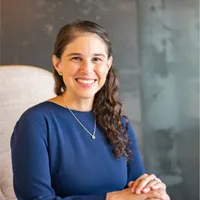
Adam McCoy
Principal
The HR Navigator
Mentorship Matters: Why Your HR Needs Executive Buy-in to Thrive
Thesis
“Effective HR mentorship programs, whether formal or informal, are crucial for employee retention, career development, and honing leadership skills, provided they have executive buy-in and allow for organic mentor-mentee relationships without over-engineering.”
What you'll take away
- 01Secure executive buy-in as the critical first step for any mentorship program to ensure its success and organizational support.
- 02Be prepared for potential mismatches in mentor-mentee relationships; have backup mentors and a respectful process for making changes.
- 03Clearly define the scope of mentorship, distinguishing it from coaching or therapy, to manage expectations and ensure effective guidance.
- 04Avoid over-engineering mentorship relationships; allow for an organic, flexible approach that caters to individual needs and fosters genuine connections.
- 05Mentorship offers significant rewards for both mentees (career growth, navigation) and mentors (honing leadership skills, giving back).


What most organizations get wrong
- Do not 'over-engineer the relationship' in mentorship programs, as the organic nature is what makes them special, rather than strictly adhering to textbook models.
- Consider informal, 'speed dating' style matching events for mentors and mentees to foster more relaxed and organic connections, moving away from purely formal assignments.
In Adam's words
“I got my start actually in HR shortly after I graduated college with United Airlines as an Really developed a love of working with frontline folks in that role.”
Highlights the guest's early career influences and the importance of working with diverse employee groups.
“if we don't have executive buy-in, that can be a failure point.”
Emphasizes a critical success factor for implementing HR programs.
“Some of those relationships still exist even to this day, and that's 15 years on.”
Illustrates the long-term, impactful nature of successful mentorship connections.
“it's important for anyone trying to organize a mentorship program to understand the difference between mentorship, coaching, therapy.”
Provides crucial guidance for program organizers to set appropriate boundaries and expectations.
“When you see someone actually being successful right in front of your eyes and knowing you played some part in it, I think that is certainly something that's so rewarding.”
Captures the profound personal reward mentors experience from contributing to others' growth.
“The organic nature of that relationship is what makes it special.”
Advocates for flexibility and natural development in mentorship, opposing over-structured approaches.
The problems this episode addresses
- New hires or high-potential employees often lack clear career direction and understanding of corporate navigation.
- Organizations struggle with employee retention when they fail to demonstrate investment in individual career growth.
- Mentorship programs face challenges with personality clashes or mismatches between mentors and mentees, requiring robust contingency plans.
- Program organizers and participants may confuse mentorship with coaching or therapy, leading to misaligned expectations and ineffective guidance.
- Professionals at various career stages seek structured, professional guidance beyond their immediate managers or personal networks.
In this episode
Built by People podcast features insights from world's top HR leaders
Built by People
United had a structured mentorship program to help new employees succeed
Mentorship in the Workplace
Adam: First step is to get executive buy-in for mentorship program
The Process of Developing a Mentorship Program
Adam, could you share any significant obstacles you encountered during forming the mentorship program
The Process of Establishing a Mentorship Program
Adam, talk to us about some of the outcomes you've seen from mentorship programs
Mentorship Programs at Work
Adam says key lessons can be learned from implementing mentorship programs
The Process of Implementing a Mentorship Program
Adam, what parting advice would you like to share with our community
Adam Levine on Finding a Mentor
Topics covered
Organizations and entities mentioned
Full transcript
Expand transcript (0 words)
Transcript is not available yet.