Episode 140 · March 27, 2025 · 11:40
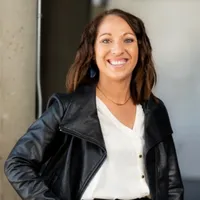
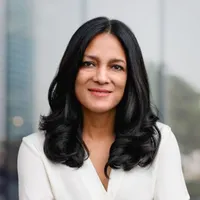
Natasha Valani
SVP, Human Resources, Tubi
TRANSFORM EPISODE: Natasha Valani, SVP, Human Resources at Tubi
Episode 140 · March 27, 2025 · 11:40
TRANSFORM EPISODE: Natasha Valani, SVP, Human Resources at Tubi
Key moments
In Natasha's words
“My life has been shaped by a ton of change and just constant movement... my upbringing gave me those experiences of just deep appreciation for human connection and belonging.”
“We took a hard look at our own experience and partnered closely with the business... to design a replacement program that would solve for a lot of the roadblocks and add value to the business.”
“A lot of people can't take a step back and do a 3-month internship experience for like low pay or something. So this is 18 months, it's full-time, you get, you get benefits, there's a little bit more stability.”
Transcript
Read the transcript1,966 words
HostWelcome to the Built by People podcast, where we share the stories and insights of the world's top HR leaders. Join us as we dive deep into the minds of HR executives, uncovering their strategies, challenges, and triumphs in shaping today's workforce. I'm excited to welcome Natasha to the Built By People podcast. Natasha, thank you so much for joining us. And as a starting question, I always love to ask if you could share a little bit more about your career journey.
GuestYeah, happy to. And Saba, thank you so much for having me. I always find it weird talking about myself and I always get a little geeked out when people want to tap into my background. Hopefully you'll find it as untraditional as I do. So I guess a little bit about me and how I got to where I'm at today. I'm a daughter of a refugee. I've moved around a lot. I have been to 26 different schools. My life has been shaped by a ton of change and just constant movement. And so there were times where I felt like I was the most popular kid, and there were times where I felt isolated. And I do believe that my upbringing gave me those experiences of just deep appreciation for human connection and belonging. And I do value that, and it's been part of my ethos and my DNA growing up, and it's what drew me to the people space. I think there's a part 2 to this because I've I've also experienced many different workplaces, and I think what kind of drew me to media in particular is the art of storytelling. And I do believe that at the heart of every great company and culture is just that, it's powerful storytelling. And so being able to merge my passion for people and then finding a sense of belonging through storytelling somehow just adds more magic to what I do.
HostNatasha, thank you for that great introduction. At Tubi, you've implemented an innovative rotation program to replace traditional internships. Can you explain why you made this shift and how the 18-month program better serves both the company and emerging talent?
GuestThis was a fun project. So like many companies, one of the things that we faced was that we had, and we've had for a while, very traditional sort of internship programs in place. Early career talent would come in for 2 to 3 months to get a bit of on-the-job learning, and then they eventually go. And then a few reasons why we felt it didn't work for us was it didn't really allow us to engage with talent in such a short period of time or truly assess their capabilities. We ran into, this is not new to us, but we ran into conversion issues in terms of not being able to hire so many of them right after. And then part 3 to that, many interns focused on tasks, work versus truly digging into some of the more meaningful skill building. So we took a hard look at our own experience and partnered closely with the business, particularly tech in this case, to design a replacement program that would solve for a lot of the roadblocks and add value to the business. And so the trade-off we ended up making was to replace the 3-month internship experience at Tuvi with an 18-month tech rotation program. So we call it the 2B Builders Program. It's brand new. It just kicked off. We're still in beta. We're still getting applicants in place and reviewing them, but essentially the Builders Program, the full experience is that we hire about 19 early career talent across 3 functions. So engineering, product, and machine learning. Given right now, that's where we see a ton of opportunity. And every hire will be at a competitive pay. They rotate between the 3 functions. So every 6 months, they're going to go through performance reviews and coaching and mentoring and having like true on-the-job learning experiences. They get to work on hard problems across tech and, and get feedback along the way for that too. At the end of the 18-month experience, we do hire the best from each of those cohorts. And this approach, we feel, does a few things. So, it allows us to engage with early career talent much longer. So, think allowing for deeper skill development, more hands-on experience in real projects, rather than just observing or assisting. It allows us to develop well-rounded future leaders who can move into key roles with, like, deeper institutional knowledge. And I think that this is probably my favorite part and ties back to some of the belonging pieces. It's more inclusive and accessible. A lot of people can't take a step back and do a 3-month internship experience for like low pay or something. So this is 18 months, it's full-time, you get, you get benefits, there's a little bit more stability. And interns or early career people who come into this program, they get a robust, substantial sort of job, right, on their resume to say, hey, I worked on this hard stuff for Chewy. I was part of this sort of immersive program for 18 months and take that to your next thing or stay with us.
HostNatasha, you've mentioned Tubi runs very lean with just over 700 employees. How do you approach talent redeployment and resource optimization to maintain efficiency while delivering on big projects?
GuestYeah, it's, I always find it funny because every time the Super Bowl was massive and every time people ask, and so how did you do it? You must have 10,000 employees working on this thing. And I said, no, Tubi's 700, and to be fair, we are part of a larger, great, phenomenal company in Fox. We have the best partnerships across Fox that have leaned in and helped us, but the reality is when you look under our cover, we are tiny and mighty in so many ways, and it's really part of our ethos to be firm on talent density, and we always do our best to assess where we need to pause on initiatives that no longer add value. So that we can redeploy talent wherever we need to. And I've seen, and many of us have seen, that a lot of companies, what they tend to do is they might overhire for a project or a short-term initiative without looking at their existing pool of talent. And what it ends up doing is it could hurt people's careers shortly after, right, through job displacement and so forth. What we do well at Tuvi and what we continue to redefine is balancing those hard decisions with prioritization. And that's not always easy. Our teams take the time to observe everything that needs to be turned off for a little bit so we can do things like focus on big swings like the Super Bowl without causing any impact to the business.
HostNatasha, as someone speaking at Transform about creating a future for Gen Z, what do you see as the biggest challenges and opportunities for this generation entering the workforce?
GuestYeah, I like to stay optimistic about this stuff, and I'm extremely bullish on Gen Z talent. I've mentored a few, some of them are my mentors. I obviously work with quite a few Gen Zs. I find them refreshingly honest. They're not scared of a healthy debate. They're confident to speak up when they see misalignment. I've seen a Gen Z push back on our own CEO in such a healthy and fun way, and I'm like, yes. Bring it, bring that energy and that like spirit to our company. And from a challenge perspective, I think there are things that are very real. We have economic uncertainties, but that has always been the case. Like every year the job market fluctuates. Again, you see that happen often. I think the biggest opportunity from my perspective is that Gen Zs have this, this is going back to my earlier point, they have this like audacious entrepreneurial spirit about them. That I've seen many business leaders really enjoy leaning into that. So I would say keep dialing that up wherever you go, just keep leaning into that. And then the way they embrace tech literacy and they're driving adoption of new technology to help find streamlines for different processes or automate redundant tasks. The fact that they adopt these tools so quickly, I think serves them well, and my advice is just when you're coming into new organizations, just keep dialing that up, keep bringing that energy, keep pushing back, poke holes in our policies where I think policy should absolutely be poked a little bit more. I genuinely think that's probably their biggest asset.
HostNatasha, what unique perspectives has working in the media and streaming tech space given you about the future of work and talent development?
GuestYeah, I love this question because it, I think it goes back a little bit to the top line of my journey and passionate about storytelling. I think of this in sort of two ways. So I do think just like streaming platforms like Tubi, it's streaming and the way we consume media has transformed how people just review and download and digest content. So consumers want more on demand, they want more personalization, they want choice. And I think it's such an interesting combination in the talent pipeline of, of everything, of a workforce is starting to feel like it's shifting to almost a content stream, streaming-based model too. So when employees come in, Gen Zs, millennials, whoever, they do expect flexibility, right? They want autonomy. They want the ability to curate their careers. And to me, that goes back to how you even curate and customize content for consumers as well. So I think as HR practitioners and leaders, we need to embrace that level of flexibility and meet employees and high-performing talent where they are and just offer the choices, the menu of everything they can do. And I think the second thing I would add is that I go back to storytelling on this again. Words are the most powerful tools. That's it, point blank. And great storytelling can captivate your audience, right? I do think as work becomes more decentralized and fast-paced and you have the introduction of AI, you've got so many things that are just changing how we work, how we show up, how we show up for our loved ones, how we spend our time at work. And I think leaders, they need to communicate vision and rally teams and inspire action through compelling narratives. And the best workplaces, I think, will truly be those who understand how to craft and communicate a strong, authentic story.
HostNatasha, what parting advice would you like to share with our community?
GuestI, I'm such a big podcast listener, and I remember I listened to one recently and there were 3 points that stood out to me. These are 3 that now I'm just living by. The 3 were, they were pretty short. It was show up, do your homework, and have a perspective. I love that because actually, if I've seen leaders who have excelled in their career, whether they were young or wherever they are in terms of their life, those leaders have adopted all three in such a, like, healthy, elegant way, and I think it sets you up for a better glide path in your career.
HostNatasha, thank you so much for joining us on the Built by People podcast. It was a pleasure to have you involved.
GuestThanks, David. I appreciate you having me.
More conversations like this