Episode 301 · August 4, 2025 · 13:57
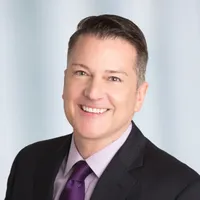
Quentin Misenheimer
Chief People Officer, Garlock Flexibles
Veterans: The Overlooked Talent Pool Your Company Needs Now
Episode 301 · August 4, 2025 · 13:57
Veterans: The Overlooked Talent Pool Your Company Needs Now
Key moments
In Quentin's words
“The challenge is only 5% of Americans have served in the military. So if you translate that, probably 95% of hiring managers out there haven't served in the military and they're not sure how to evaluate talent.”
“There are about 600,000 veterans that transition out of service into the private world every year. So there's a constant flow of talent that's available. You just have to know how to tap into it.”
“What I have seen workers Buddy programs. So trying to partner up a veteran new hire with an existing employee who's a veteran as a kind of peer mentor and advisor to help them... That tends to work really well.”
Transcript
Read the transcript2,176 words
HostWelcome to the Built by People podcast, where we share the stories and insights of the world's top HR leaders. Join us as we dive deep into the minds of HR executives, uncovering their strategies, challenges, and triumphs in shaping today's workforce. I'm excited to welcome Quinton to the Built by People podcast. Quinton, thank you so much for joining us today. And as a starting question, I always like to ask if you could share a little bit more about your career journey.
GuestSure, absolutely. First of all, thanks for having me. I'm glad to be here. I grew up in Indiana and after high school attended the United States Military Academy at West Point. I was a French and German major there, but ended up being a military Intelligence Officer in the Army for 5 years, serving as a platoon leader in Desert Shield, Desert Storm. And that was a very formative time for me as I was developing my own leadership style and approach. I got out in 1994, didn't handle my transition out of the military very well. Wasn't exactly sure where I would fit in. I knew I had skills and abilities, but I wasn't sure how they would translate out of the military. And I tried a couple of sales roles, quickly figured out that probably wasn't for me. And then I landed in an operations leadership role because the one thing I knew I could do was lead a team of people. And that ultimately translated into an HR role at that company. And I've been building and leading high-performing HR teams now for 27-plus years. Worked in several different industries, consumer packaged goods, privately owned defense contracting, payments industry, in financial services, professional services, and now I'm the head head of HR for a private equity-owned flexible packaging manufacturer.
HostQuinta, can you share a specific story from your own transition out of the military where you faced a major challenge in translating your skills to the civilian job market?
GuestSure, absolutely. So I mentioned earlier that I struggled, even though I went to West Point, even though I had good leadership experience, I really wasn't sure how that experience would translate. Outside of the Army. My biggest mistake though was confining myself geographically. I lived in Central Texas at the time and really didn't want to leave Central Texas, had family roots there and some other reasons why I wanted to stay. I always tell transitioning veterans, you need to be as open-minded as possible to moving to where the opportunities are. And I didn't do that. And there weren't a ton of opportunities really where I was living in a mid-sized town in Central Texas. I was fortunate that I had a friend of mine who had gotten out before me, who had landed in a manufacturing company as an engineer and was getting promoted to be a production manager. And they were expanding capacity in his manufacturing facility outside of Austin, which was about 60 miles from where I lived. And he reached out to me and said, hey man, I need some help. I need a third shift supervisor, which is 11 o'clock at night to 7 o'clock in the morning. Would you come interview? And I interviewed and didn't know anything about manufacturing, but I knew I could lead a team of people and I was fortunate enough to get an opportunity to get started. So I think first of all, be open-minded to go where the opportunities are, and then also be open-minded in what kind of roles you want. Too many times people are locked in, I've gotta do course A, and if I don't do Course A, it's not going to work. And part of transitioning as a veteran is you just got to figure out where you can land and get an opportunity, and then that'll translate into other opportunities later.
HostQuentin, can you describe a time when you worked with a company that struggled to recognize the value of veteran talent?
GuestI spent some time at a financial services company in the payments industry called Bank of America Merchant Services. I was there 2 years, and it was a joint venture between Bank of America and First Data Corporation. First Data owned the payments technology and infrastructure and sold it through the bank alliances. Bank of America was its largest. That was really a sales and customer service organization and had some military talent, but wasn't sure exactly where those folks would fit in. We hired a retired Air Force colonel into a kind of a regional sales role., and that sales role was okay for the colonel, but it probably wasn't exactly the right fit. But the company wanted to hire more veterans. And so I built a business case to have a veteran programs manager on my team. And then I made a play for this colonel to join my team. And the company actually supported the business case, supported that move. So that colonel came and retired colonel, and he came and worked for me. He and I put together a plan to leverage his 30 years in the service to get access to military installations around the country that lined up with where our facilities were. He also built a training program to start educating hiring managers on the value that veteran talent can bring. The challenge is only 5% of Americans have served in the military. So if you translate that, probably 95% of hiring managers out there haven't served in the military and they're not sure how to evaluate talent. So it creates a gap. The veteran's not sure where they fit in and the hiring managers aren't sure how to evaluate veterans. So what that retired colonel did for us is he put a training program in place for hiring managers, and then he also knew how to open doors to career fairs and military transition services so that we could start getting access to what's a recurring talent pool. There are about 600,000 veterans that transition out of service into the private world every year. So there's a constant flow of talent that's available. You just have to know how to tap into it.
HostBrendan, can you tell us about a case where a veteran you mentored faced significant setbacks during their job search? What steps did you take together to overcome those obstacles, and what did you both learn from that experience?
GuestYeah, I think I've attended on behalf of companies quite a few veteran-specific career fairs. And one of the things that I've enjoyed doing is sitting on a panel of folks that, like me, that have already done a transition. And the most common challenges that I've seen are where to start. Folks that are transitioning out, they're just not sure where to start. And so the advice I give them is pretty simple. First of all, network. Talk to everybody. Talk to folks you went to school with. Talk to folks you served with that transitioned out ahead of you. Talk to your family and friends that are out in the private world and get your name out there. Build a professional profile and resume. So LinkedIn obviously is a great resource and you want to have your LinkedIn profile mirror your resume. One of the challenges for service members is how do you take your experience in the service and translate that in a way on a resume that people can understand? But there are a lot of resources to help with that. And then I think the last thing that I've encouraged transitioning I try to encourage veterans in particular to do is be open-minded geographically. The more open-minded somebody can be, the more opportunities they're gonna put themselves in position for. And so those are the 3 things that I've really tried to help people with. Network, translate your experiences into a, a good resume and a LinkedIn profile, be open-minded geographically. And the folks that I've been able to help that have done that, have been able to create opportunities for themselves much better, more effectively than the folks that have not networked effectively or been very close-minded geographically or things like that.
HostQuinton, reflecting on your experience educating organizations about hiring veterans, what are the most effective strategies you've seen for integrating veteran talent? Common mistakes should companies avoid?
GuestYeah. I think, first of all, I would encourage companies to look at their existing talent and identify who their veterans are and what roles they're in. And then, second of all, I would encourage companies to leverage that talent because those people are already working for the company. They know the company, they know the jobs in the company. They also know the value the skills and experiences that service members can bring into the company. And so I would leverage those folks, put a panel together, or pick one who can serve as a de facto leader and really go through and identify the roles in the organization that line up really well with transitioning military veteran talent. Just off the top of my head, first-level leadership roles, are great roles depending on your company. Very technical roles can be great roles as well. For example, the military has a lot of mechanics. So if you have a business that requires mechanics or maintenance, those are great roles. Entry-level sales roles can be good too. The military has to meet recruiting quotas each year. So there are people that serve in recruiter roles, which are really sales roles. So recruiting roles, sales roles, those are good. Roles for transitioning veterans. And then I think you just develop a plan on how you're gonna get in front of that transitioning talent. So there are transition assistance programs called TAP programs in the military. Most major installations are holding career fairs regularly. So how do you get your company in the pipeline of companies to attend those career fairs? There are organizations like Recruit Military that host career fairs all around the country every year. That's a great resource for partnership. And then the last thing I would encourage companies to do is to develop an onboarding plan because you want to, if you're going to invest in that talent, you want to make sure that talent makes it through onboarding, becomes fully productive, and stays in your company. What I have seen workers Buddy programs. So trying to partner up a veteran new hire with an existing employee who's a veteran as a kind of peer mentor and advisor to help them, even if they don't work in the same area, somebody that can touch base with them every week and see how they're doing, answer questions, be a resource. That tends to work really well. You asked what companies sometimes miss or don't do correctly, I think they prejudge sometimes the military talent. They sometimes prejudge somebody if they didn't have a college degree. I'll tell you, some of the most successful veterans I've seen in the workforce are noncommissioned officers or senior noncommissioned officers. E7s, E8s, E9s that are senior noncommissioned officers or E5s, E6s, those folks know how to lead teams. They're highly organized. They know how to train. They know how to get things done, but they don't— they're typically not college-degreed. And so they're prejudged. And so I would say, don't prejudge. Get educated on what the rank infrastructure is and what skills and abilities veterans can bring to the organization. And don't assume that the new hire is just going to be okay. Give them some support and some resources. And if you do that, then they're probably going to be okay. But too many times we hire somebody and we just tell them, hey man, welcome to the company. Good luck. Go get them. Don't do that.
HostSpencer, what parting advice would you like to share with our community?
GuestI would just encourage everybody to be very open-minded to military veteran talent. As I mentioned earlier, there are 600,000 service members, men and women that are transitioning away from serving our great country and into the private world, looking for their next career opportunity every year. They bring valuable skills and experiences into a company. They've been through rigorous training, rigorous screening. Many of them have leadership skills training. They know how to get things done because you have to accomplish a mission in the military., and they bring a level of discipline and respect into the workforce. So I just encourage you to be open to that talent and figure out a way to try to tap into it. Be open-minded and give folks opportunities. And I think what you'll find is it's a gold mine that a lot of companies really haven't taken advantage of.
HostQuentin, thanks so much for joining us today on the Built By People podcast.
GuestThank you so much.
More conversations like this