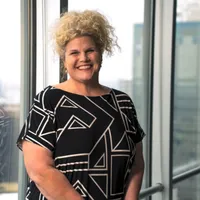
Terry Chace
Director of Total Rewards: Benefits
Vail Resorts
The new benefits playbook: Data, flexibility, and mental health for diverse teams.
Thesis
“Designing effective total rewards and benefits, especially for diverse and transient workforces, requires a data-driven approach, flexibility beyond traditional offerings, and a deep understanding of unique employee needs and location-specific challenges.”
What you'll take away
- 01Benefit programs for diverse populations should avoid a 'one-size-fits-all' approach, tailoring offerings to different employee categories and locations.
- 02For transient or seasonal workforces, benefits should extend beyond traditional offerings to include perks, discounts, and adjusted plan years to incentivize returns.
- 03Providing robust mental health coverage, including free sessions and expanded access to household members, can be a competitive advantage and a critical employee support.
- 04Gathering feedback from a varied and geographically dispersed workforce relies heavily on on-the-ground business partners who understand regional and specific employee needs.
- 05Embracing new and uncomfortable opportunities by saying 'yes' is crucial for career growth, even when initially uncertain.


What most organizations get wrong
- One size does not fit all for benefit programs; offerings should be differentiated by employee category and location.
- Benefits for transient workforces must go 'beyond the traditional' to include perks and discounts to be effective.
- Mental health support should extend beyond immediate family to all household members, regardless of relationship.
In Terry's words
“I am one of those people that fell into HR. Never in a million years would I have thought that my career would have taken a turn toward human resources.”
Highlights an unexpected entry into HR, a common path for many professionals.
“I think it really is about using the data to drive your decision-making, determining really what employees need and what the specific challenges are, and then putting your thinking cap on and trying to design what's best.”
Emphasizes a strategic, data-driven approach to benefits design for diverse populations.
“Being able to offer benefits that go beyond the traditional benefits, such as perks and discounts, et cetera, things like that is definitely something we lean into and need to lean into more.”
Stresses the importance of a holistic total rewards approach, moving beyond standard benefit packages.
“We've enabled a mechanism where all of our employees actually get free mental health sessions... We've actually expanded that access to not only employees, but their immediate family, as well as people that possibly live with them.”
Details an innovative and inclusive approach to mental health support for a broad employee ecosystem.
“saying yes to an opportunity is what sparked my career in HR and people space, and definitely something that I would give advice to. It's easy for us to stay in our comfort zone or to just say, no, no, I don't know anything about that.”
Offers a personal philosophy on career development, advocating for embracing uncomfortable challenges.
The problems this episode addresses
- Employees' number one concern is covering monthly expenses, indicating a need for financial wellness solutions (Previ's offering).
- Difficulty in administering complex HR laws like FMLA without prior experience or clear guidelines.
- Challenges in designing total reward and benefit programs that effectively meet the diverse needs of employees across various demographics, job types, and geographical locations.
- Ensuring consistency and incentivizing returns for a transient, seasonal workforce while balancing the needs of long-term employees.
- Gathering effective feedback from a geographically dispersed workforce (e.g., mountain resorts) where access to care and local needs vary significantly.
- Addressing the widespread issue of mental health among employees, regardless of job role or tenure, and providing accessible support.
In this episode
Built by People podcast features insights from world's top HR leaders
Built by People
Your career took a turn toward human resources early on in your career
Analyst and Human Resources Professional
How do you design reward and benefit programs that meet diverse needs of employees
Employee Benefits: Season-to-Season, Long-Term
Tara says gathering and incorporating feedback from transient workforce helps improve benefit offerings
The Guide to Resort Benefit Changes
Vail is offering free mental health sessions to all employees
Vail Resorts' Mental Health Initiative
Terry says saying yes to opportunities is what sparked his career in HR
Terry on Saying Yes to Opportunities
Topics covered
Organizations and entities mentioned
Full transcript
Expand transcript (0 words)
Transcript is not available yet.