Episode 206 · May 21, 2025 · 12:31
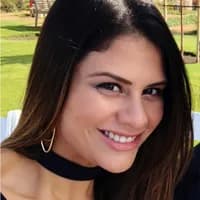
Michelle Sutter
Vice President, Culture & Organizational Development, Fanatics
Cultivating Care: The Unseen Force Driving Top Employee Performance
Episode 206 · May 21, 2025 · 12:31
Cultivating Care: The Unseen Force Driving Top Employee Performance
Key moments
In Michelle's words
“Culture isn't a one-and-done thing. It's a long-term commitment and plan that has to remain sustainable and scalable.”
“The success of the program hinges on the mentor's engagement and commitment to the program.”
“Some mentees might have a perception that mentorship is like a quick backdoor to a promotion. Which is not the intent of the mentorship program. It's about learning and developing.”
Transcript
Read the transcript1,836 words
HostWelcome to the Built by People podcast, where we share the stories and insights of the world's top HR leaders. Join us as we dive deep into the minds of HR executives, uncovering their strategies, challenges, and triumphs in shaping today's workforce. I'm excited to welcome Michelle to the Built by People Podcast. Michelle, thank you so much for joining us. And as a starting question, I always love to ask if you could share a little bit more about your career journey.
GuestThank you for having me. Yes, so I started my professional career working on ships, actually. I was working on board ships for 3 years, traveling the world with people from 65 different countries. And honestly, it was the best experience from a professional standpoint as it relates to thinking about different cultures and working with such a diverse group of people. Working, living, and living side by side with people from 65 different countries was such an amazing education that you can't where I couldn't find anywhere else. And from there, it led and evolved into me joining the organization shoreside working in sales. And I started my career in sales for the cruise line and then evolved into sales leadership. And during my time as a leader in the cruise industry, I was really passionate around culture. And so I initiated a number of culture-building initiatives within the organization. Which ended up drawing a lot of positive attention within the corporation and evolved into me actually transitioning from sales into HR, where I am now leading culture and organizational development at Fanatics.
HostCan you tell us about how your background in sales leadership influenced the way you approach building and sustaining a strong organizational culture? What are some of the lessons from sales carried over into your culture work?
GuestI think most importantly with sales is about building relationships and thinking about the long-term relationship versus the short-term gain. And so, I look at that through the same lens as culture, right? Culture isn't a one-and-done thing. It's a long-term commitment and plan that has to remain sustainable and scalable. And so, with sales, it's about consistency and active listening and thinking about how you're going to be in service to your customer. And with culture, I think of that through the same lens is how are we going to be in service to our team members, to our employees, and how are we going to listen to them to ensure that we're fostering an environment where they can thrive and bring their whole selves to work?
HostCan you share a story of how you designed and scaled a mentorship program that had a lasting impact? What are some of the practical steps you took to make it sustainable?
GuestSo early in my leadership career, I was really craving a mentor. And within the organization, we didn't have a structured mentorship program. And I was in a sales leadership position at that time and actually designed a mentorship program and pitched it to our president and launched the program within the organization as it really at that point, it was a grassroots initiative. And what I had focused on was, is what can I do to ensure that this will be sustainable and scalable? And in that context, the key components to think about, which I've now built structured mentorship programs within organizations, is firstly, is ensuring that the mentors who are part of the program are there because they want to be. And what I mean by that is that they volunteer to be there and that they're not pressured to be there because the success of the program hinges on the mentor's engagement and commitment to the program. And we did a number of promotional informational sessions leading up to the mentorship program launch to ensure that expectations were very clear before to mentors in terms of their time commitment, what it would entail, and what we were hoping that they could provide to their mentees. And setting expectations upfront was very key so that there were no surprises and shifts and commitments, and then providing informational briefing training sessions for mentees to ensure that they were clear on expectations and that they were coming prepared to sessions. So, we'd host training sessions for the mentors and mentees separately, aligning on expectations, and then provide them with resources throughout the mentorship partnerships so that if they had challenges or roadblocks, that they would have those resources to support the mentorship partnership. So that's how I built the first one, which was more of a grassroots effort to actually build a mentorship community within the organization. Since then, I've been able to build programs that have scaled across enterprises and across the globe within Fanatics, where I currently, um, work, and we're using the same approach. How can it be high impact, scalable, and sustainable? And setting expectations upfront, providing the appropriate training so that everyone is clear on what the mentorship program entails and what the expectations are. For example, some mentees might have a perception that mentorship is like a quick backdoor to a promotion. Which is not the intent of the mentorship program. It's about learning and developing. So we're really clear in terms of what mentorship is and what mentorship is not as well. Also about what's the confidentiality of a mentorship partnership and how you show up as a mentor for your mentee when they're not in the room and setting all those guidelines so that everyone is very clear. And then using storytelling after each cohort to share the success stories, learnings, and wins from mentorship partnerships to inspire others to join the program. And so we've seen every cohort, the number of mentors and mentees grow based on using our testimonials from previous cohorts. Yes, it's been a success and something I'm really passionate about. I'm actually going to be launching a nonprofit organization in a few months that's focused on mentorship program pairing female professionals with university graduates from Kenya and using the same frameworks that I've used in corporate America to build this nonprofit mentorship program.
HostI love that. And what is the nonprofit called?
GuestOpening Doors Foundation.
HostAwesome. Well, I want to encourage everyone to look into that. It sounds like a very noble initiative. And congratulations on all that you're doing. Michelle, I want to switch gears to the next question. Tell me about a time when you successfully maintained consistency in culture initiatives across remote teams or geographically dispersed locations. I'm assuming your experience with cruise ships would be a good example of that. I'd love for you to tell us what strategies worked and what advice you would give to others trying to do the same thing.
GuestSure. I have always— led remote teams being in sales since our sales teams have always been geographically dispersed. So when we all had to manage through COVID, many teams that weren't accustomed to being remote went remote. But what it allowed me to do in terms of really focus on culture during that period of time is to build a very strong focus on culture since that was what was, I felt, most important in that time in history, which was very challenging for all of us, aside from being remote, but being isolated. And so how I did that was we had what I called the culture commitments. And these were, if you will, like principles in which we as a team and an organization were all buying into. And what I mean by that is that what recognition meant and how we shared gratitude as an example. We'd have at the beginning of each team call a gratitude circle whereby everyone would go around the virtual room and share something that we were grateful for that another team member had done. We would have a 30-minute standing meeting a week that we called the Culture Connection Time. And that time was designated to connect with our colleagues And the only kind of guideline for this culture connection time was that we couldn't talk about work. And it was to build that connection with our team members. Every time we had a new hire, we did a 4-week, or I should say a 4-module, 4-week module commitment, culture commitment session with them to talk about what the culture of our team entailed and what that meant and what you were buying into when you were joining our team in terms of how we manage crucial conversations, how we manage failures. We had what we referred to as our fail-forward culture commitment. And what that was is that if individuals found themselves in a situation where they had failed, right, how we manage that is we'd have a quick 15-minute fail-forward meeting and said individual would share with the group what this failure, mistake was, and it would become a group discussion in terms of how can we collaborate and discuss what we could have done differently to avoid said mistake in the future. We even had this little fail forward trophy, and every time someone made a mistake, we'd put their name on it, and that was in recognition of our team members being grateful for them sharing their failures so that they could avoid having the same failures. So, it was about a number of these culture-building initiatives that we did remotely, but consistently, and that everyone was committed to. Even in the interview process, we would share those culture commitments to ensure that any new team members knew that if they were joining our team, this was something they would be part of and have to commit to.
HostMichelle, what advice would you like to share with our community?
GuestIn organizations, I think sometimes our leaders underestimate the power of culture and care. And my parting advice is that people will walk through fire for you if they believe you genuinely care and that you show up in key moments. And so what I mean by key moments is that it's easy to show up and to show care when times are great. But it's really important in times of crisis or in conflict to also show up and think about how you can be in service to your team members. That, in my opinion, has been the number one influential factor that drives performance. It's the only factor that we have 100% control over as leaders is the culture that we foster. Everything else is variable. And so really focusing on building a culture of care where people feel like they are cared for and that they are valued and appreciated will drive performance. So show up in those key moments as a purpose-driven leader who cares.
HostMichelle, thank you so much for joining us today on the Built by People podcast. It was a pleasure to have you involved.
GuestThank you for having me.
More conversations like this