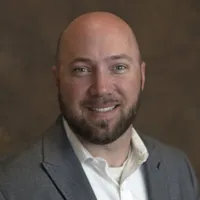
Linda Chapin
EVP & Chief Human Resources Officer
UL Solutions
From Private to Public: HR's Blueprint for Building an Ownership Culture
Thesis
“The transition from private to public company, especially for a long-standing organization, requires a highly structured and people-centric change management strategy, focusing on leadership, comprehensive communication, and fostering an ownership culture.”
What you'll take away
- 01When facing a major company transition like an IPO, HR's role is to own the change management program, focusing on leadership, tools, processes, and culture beyond finance and legal aspects.
- 02Effective communication during transitions requires segmenting stakeholders (employees, leaders, shareholders, customers) and tailoring messaging to each group's specific impact and needs.
- 03Fostering an ownership culture can be significantly boosted by programs like Employee Stock Purchase Plans (ESPPs), but requires thorough, multi-channel education and engagement to ensure employees make informed personal decisions.
- 04Leaders must clearly define goals and surround themselves with expert teams, recognizing that no single person has all the answers, especially when navigating unprecedented or complex organizational changes.


What most organizations get wrong
- Linda notes that UL Solutions' IPO experience was unique because it was a 'long-storied private company' of over 130 years, rather than the 'typical startup that goes public,' implicitly challenging the common narrative that IPOs are primarily for new ventures.
In Linda's words
“And being a leader first is defining reality, right? That's our role. And so what is really going to change from being a 130-plus-year-old company, private, to a new public company?”
Highlights a leader's foundational role in grounding the organization during significant change by understanding and communicating the fundamental shifts.
“What I quickly realized, it was about managing through this time of transition, which is change management, ensuring that we have the right change management program in place, the right leadership team in place, the right tools and processes in place. And most importantly to me was to ensure that we remain committed to our mission and build even a stronger culture as a result of this change.”
Emphasizes HR's critical, comprehensive role beyond legal and finance in successful IPO transitions, prioritizing culture and mission.
“But we put together a good project team. And we had our really strong corporate communications team that was there by our side from a communication standpoint. Talent, ensuring that we had the right leaders in place to be able to manage and lead at a public company level.”
Illustrates the multi-faceted, cross-functional effort required for a major organizational change, with HR playing a central role in talent and communication.
“To potentially have the opportunity to participate in a stock purchase program really made it real for our employees, at least to have the option to consider. So we undertook a really good, a strong communication program and engagement education program about a month before people could enroll.”
Shows how tangible benefits like ESPPs, supported by robust education, can significantly enhance employee buy-in and a sense of ownership during a company's public transition.
“Well, my parting advice would always be to surround yourself with great experts and to surround yourself with teams that are committed to your mission and that you're all aligned in a connected way around where you're going.”
A concise summary of effective leadership, stressing the importance of collaboration, shared vision, and expert counsel for navigating complex challenges.
The problems this episode addresses
- Transitioning a historic, private company (130+ years) to a public entity presents unique change management challenges distinct from typical startup IPOs.
- Effectively communicating the complex meaning and implications of an IPO across a global organization to diverse stakeholders (employees, leaders, investors, customers).
- Ensuring employees feel informed, supported, and engaged during significant, potentially disruptive, corporate transitions.
- Building and integrating new HR capabilities and roles (e.g., investor relations, equity administration) required to meet public company demands.
- Educating employees about new financial opportunities like Employee Stock Purchase Programs (ESPPs) in a clear, unbiased manner to facilitate informed personal decisions.
In this episode
Intro
You transitioned from a private company to a public company ahead of an IPO
The Process of Transition From Private to Public Company
Communicating the meaning and importance of an IPO can be pretty complex
Corporate Communications Team on Going Public
UL Solutions introduced employee stock purchase program as it went public
UL Solutions' Employee Stock Purchase Program
What parting advice would you like to share with our community
A Legendary Leader's Last Words
Topics covered
Organizations and entities mentioned
Full transcript
Expand transcript (1691 words)
Welcome to the Built by People podcast, where we share the stories and insights of the world's top HR leaders. Join us as we dive deep into the minds of HR executives, uncovering their strategies, challenges, and triumphs in shaping today's workforce. I'm excited to welcome Linda to the Built By People Podcast. Linda, thank you so much for joining us. And as a starting question, I always love to ask if you could share a little bit more about your career journey.
Hi, David, and really, thanks a lot. I really appreciate you having me here on the podcast. I'm excited to be here. By way of introduction, I'm the executive vice president and CHRO at UL Solutions, and we're based here in Chicago. And as CHRO, I lead the global HR team for about 15,000 employees all around the world. And our mission here at UL Solutions is working for a safer world.
Linda, I know you've transitioned from a private to a public company, and that's a major milestone. Can you walk us through how you approached building the change and learning plan in preparation for an IPO. What strategies helped employees feel informed and supported during that transition?
Thanks for that question. And that's really what I was excited to talk about with you today is the transition from taking a really historic company of over 130 years to— that's private company— to a public company. And in the course of my career, that's been my journey. I've taken a lot of companies through times of transition, whether it's through acquisitions or mergers or integrations or big cultural changes. But when I faced a company going through an IPO, this was something new. And it was an exciting time to learn my way through this. I had never done this before. So how I first approached it, and I took a step back. Was to try to learn as much as I could about what it meant to move from being a private company to a public company. And being a leader first is defining reality, right? That's our role. And so what is really going to change from being a 130-plus-year-old company, private, to a new public company? And frankly, we're not the typical company that goes public, right? We're a long-storied private company. And so we're not that typical startup that you think about. So I took a step back, and I thought about that. And I thought about what is going to change for us. And in doing that, I researched. And I thought, I'm going to reach out to people I trust, trusted advisors. And I read a lot. And we had the benefit of having some really strong advisors around us, either our bankers or our external counsel. Our board was fantastic, lots of experience on the board. And I read a lot. And when I read about it, I got lots of books, like how to take a company public, but it was really all from the finance and the legal perspective. And so, David, when you think about that as a CHRO, I thought, what is it that I own in this process and that I'm going to do to help ensure that this is a successful IPO for us? And so what I quickly realized, it was about managing through this time of transition, which is change management, ensuring that we have the right change management program in place, the right leadership team in place, the right tools and processes in place. And most importantly to me was to ensure that we remain committed to our mission and build even a stronger culture as a result of this change. So I took a step back and I thought about that from an HR perspective about what is my role in making this IPO successful? Since all the legal team and the finance team had everything under control, this was my space and the space that we had to focus in. So that's what I looked at, the change program.
Linda, communicating the meaning and importance of an IPO to employees can be pretty complex. Can you share a specific story or example of how you made that messaging resonate across the organization?
Yeah, it absolutely is complicated. You said it right. And there's a lot of different layers to it because when you approach your change program, you're thinking of all your different key stakeholders. And that's where we took a step back first to say, who are they? It's everything from all of our employees all around the world. It's also our leaders who are going to be even more impacted by this, having to lead through this change. It's our potential shareholders. It's our potential investors. It's just our customers. So I thought of all the— all of our stakeholders in terms of how are they going to be impacted by this change. That was part of the starting point of our change program. But we put together a good project team. And we had our really strong corporate communications team that was there by our side from a communication standpoint. Talent, ensuring that we had the right leaders in place to be able to manage and lead at a public company level. And that meant all of our current leaders to help them understand the changes that were coming. But also there were some roles in our company that we didn't have that we needed to have, like investor relations or like equity, right? We didn't have stock equity administration. So we needed to really build some of that and invest in that capability. So that was leadership. And talent. And then we had training and development. So we literally had to train on certain protocols and certain governance and compliance requirements that were going to happen as a result of going public. And then there was culture all around our values, our mission, our ways of working that potentially would— how would those be reflecting our new status as a public company? So we had our project team that came together and we met all the time and we talked about and we deployed a really effective project to implement either before we became public as part of preparation. The actual event itself, in and of itself, was a huge event that we didn't want to have loss on anybody. And then I would even say, David, after we went public, it still continues. And it's been April 12th, a year ago, is when we went public. And so we're still on that journey of continuing to now find our way through this new world as a public company.
Well, Linda, fostering an ownership culture is powerful, especially during big transitions. How did you introduce the employee stock purchase program? And what approaches helped employees feel like true owners?
And that's a really good question because this is one of the benefits that we felt would be powerful for our employees as we went public, as a public company. And we looked at this as an opportunity, and it is an opportunity for employees to have the option. It's totally their choice. This was certainly— that was provided as an option to employees. And it was all explained. In terms of what it actually meant. Because as you said, it's right to have this ownership culture, but it's also an employee's personal decision whether they wanted to participate. It was our responsibility to ensure that employees had the right information and that they were well prepared to make a decision on this. But I do have to say that this was something that employees were really excited about. So it really did Going public, it had a huge impact on certainly senior leadership in terms of the management and the governance of the company and for our leadership. But to potentially have the opportunity to participate in a stock purchase program really made it real for our employees, at least to have the option to consider. So we undertook a really good, a strong communication program and engagement education program about a month before people could enroll. We had videos out there that introduced the opportunity for employees to be their own shareholder in UL Solutions, can be an owner of their own company. 2 weeks before enrollment, we sent out educational content to employees via emails, videos, brochures. We would answer questions. And then we had employee webinars for employees who were interested and wanted to have a direct engagement and really ask their own questions so that they were educated. That was the most important thing. Make your own choice. And then we had a one-stop hub that we called that had all the information for employees to have easy access to this. And it was really positively received. Our employees really gave us positive feedback that they felt engaged, they felt well-educated, they felt well-informed, and most importantly, they could make the decision that was right for them. It's been a really nice program to be able to offer to our employees who had the desire to participate.
What parting advice would you like to share with our community?
Well, my parting advice would always be to surround yourself with great experts and to surround yourself with teams that are committed to your mission and that you're all aligned in a connected way around where you're going. And the job of a leader is to define what that is, right? Define what your goal is. Perfectly clear about it, and then help your teams achieve that by staying connected and close together. And ensure that you have the right coaching and the right experts with you along the way. Because no one person has all the answers, right? Nobody does. It's always a team effort. Always.
Linda, thank you so much for joining us today on the Built by People podcast. It was a pleasure to have you involved.
Oh, I so appreciate it. All the best to you and stay safe.