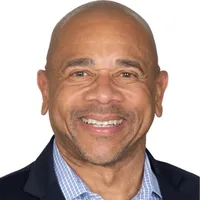
Laura Harmon
Chief People Officer
One Workplace
Burnout is not inevitable: Make wellness your core people strategy.
Thesis
“Workplace wellness, particularly mental health and burnout prevention, is not a perk but a fundamental people strategy that must be embedded into an organization's DNA, requiring intentional change management and deep business understanding from HR leaders.”
What you'll take away
- 01Proactively integrate wellness as a core people strategy, looking for early signs of burnout rather than waiting for exit interviews.
- 02Improve wellness by first listening, then identifying essential tasks, and explicitly deciding what work to stop doing.
- 03Address ingrained 'grind culture' by actively giving employees permission to rest, take breaks, and establish clear boundaries.
- 04For HR leaders to be truly strategic, they must immerse themselves in the business, especially by understanding financial operations.
- 05Cultivate a team environment where open communication about well-being is normal, and mutual encouragement for time off and boundary setting is practiced.


What most organizations get wrong
- Don't wait for exit interviews to look for burnout; proactive observation and intervention are crucial.
- Wellness is a people strategy, not merely a perk or a nice-to-have, and should be integral to an organization's future navigation.
- HR professionals should prioritize 'making besties with your finance people' as a foundational step to understanding the business and effectively supporting teams.
In Laura's words
“I noticed that lots of burnout, lots of people just going along to get along, folks not, and especially during the pandemic, not utilizing their PTO because Where am I going? Everything's shut down. And then if I am going somewhere, I'm probably still working.”
This quote highlights the specific manifestations of burnout and under-utilized PTO during the pandemic, illustrating a critical problem for employees.
“I think the biggest challenge, not just for my team, but what we learned in the organization is change is hard, especially when folks are used to being scrappy. They're used to rolling up their sleeves. They're used to just like grind culture and hustle culture.”
This quote identifies the deep-seated cultural resistance to wellness initiatives, emphasizing the difficulty of shifting established work norms.
“I think the biggest outcome has been watching people shift from hustle and scrappiness to wellness at the center of what they do and really taking care of not just themselves, but each other.”
This quote clearly articulates the desired and achieved cultural shift towards a supportive, well-being-focused environment.
“I think first and foremost is make besties with your finance people because if you don't understand how you make money, it's really difficult to support the team because where the money goes, the energy flows.”
This quote provides a highly practical and impactful piece of advice for HR leaders to gain true business acumen and strategic influence.
“I would say don't wait for exit interviews to look for burnout... wellness is a people strategy, not a perk or a nice to have.”
This quote concisely summarizes her core contrarian take and thesis, emphasizing the proactive and strategic integration of wellness.
The problems this episode addresses
- Widespread employee burnout, disengagement, and under-utilization of PTO, leading to mental health issues, isolation, and loneliness.
- HR professionals experiencing significant burnout and 'utter chaos' from increased demands, requiring internal support.
- Resistance to cultural change within organizations due to deeply ingrained 'grind culture' and 'hustle culture' norms.
- Organizations often taking a reactive approach to burnout by addressing it through exit interviews instead of proactive wellness strategies.
- HR leaders lacking a clear understanding of the company's financial mechanics, hindering their ability to strategically support business teams.
In this episode
Built by People podcast features insights from world's top HR leaders
Built by People
You started out as an orthodontist before becoming an HR practitioner
How to Get Out of Your Career Trap
One Workplace recognized workplace wellness was lacking in its organization
The Fight for Wellbeing at One Workplace
Laura Brown says her organization has taken steps to improve employee wellness
The Process of Wellbeing at Work
Reflecting on that experience, What were the most important outcomes, key lessons learned
In the Elevator With the Team
Immersing yourself in the business side beyond traditional HR has made a tangible difference
Beyond HR: Wellbeing in the Business
Laura, thank you so much for joining us on the Built by People podcast
Laura From The Built by People Podcast
Topics covered
Organizations and entities mentioned
Full transcript
Expand transcript (0 words)
Transcript is not available yet.