Episode 128 · March 21, 2025 · 12:40
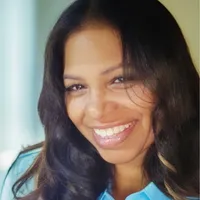
Hannah Yardley
Chief People and Culture Officer, Achievers
Behind the Scenes: HR's Delicate Dance in a CEO Leadership Change
Episode 128 · March 21, 2025 · 12:40
Behind the Scenes: HR's Delicate Dance in a CEO Leadership Change
Key moments
In Hannah's words
“There's this balance between listening and sharing because they're going to need to absorb all of the things that you're sharing, which is a ton. But if you don't stop and listen, really overtly ask for the things that they need, then you're going to be missing all of the cues and clues about the things that they want to change in the business.”
“In our own words, we called this maintaining the best parts of our culture. So we actually had as part of our transition plan and part of our talent strategy this year, maintaining the best parts of our culture. So putting a lot of purpose around the things that we want to keep.”
“I love those words, they didn't choose you and you didn't choose them. They just resonate so clearly, and I've had this conversation a lot with my colleagues over the last 6 months or so. To actually call that out.”
Transcript
Read the transcript2,320 words
HostWelcome to the Built by People podcast, where we share the stories and insights of the world's top HR leaders. Join us as we dive deep into the minds of HR executives, uncovering their strategies, challenges, and triumphs in shaping today's workforce. I'm excited to welcome Hannah to the Built By People podcast. Hannah, thank you so much for joining us. And as a starting question, I always love to ask if you could share a little bit more about your career journey.
GuestSure. So, I, I don't have a typical HR background. I've worked in sales, in marketing, and customer success. I spent a big chunk of my career consulting to Fortune 500 companies in the space of transformational change and employee development and business strategy. And then I found this world of tech and SaaS, and I found my next career shift, and I love working in the SaaS space. And so, that's how I got into the job I'm in. In particular, right now, I found a business that sells into my category, which is HR, and I knew that I'd found the right home here at Achievers because each day I not only get to engage with our own people, but I also get to talk to our customers and end users who are having an even better work life because of technology that we've create it because it helps them feel more engaged, recognized, and valued in their work.
HostAnd as someone who's recently gone through onboarding a new CEO, what are the most critical first steps HR should take to ensure a successful transition?
GuestIf you are the lucky one that gets to do succession planning, then that's obviously the number one choice here. If you can spend any time before onboarding the CEO to create the right landing ground for them, then that's absolutely awesome., but if you're probably in the likely boat that you didn't get to be prepared for something like this, you need a backup plan and really quick backup plan. And so I recommend a couple of things. I think you need to listen, but also share. And there's this balance between listening and sharing because they're going to need to absorb all of the things that you're sharing, which is a ton. But if you don't stop and listen, really overtly ask for the things that they need, then you're going to be missing all of the cues and clues about the things that they want to change in the business. So, definitely listen and share. I would talk about like really amping up frequent communication, and it's probably going to feel a lot of repetition, like you're saying the same things over and over again, but they've got a million things going on inside of their head. And so, really prioritize the ones that you want to bring up, uh, or the ones that are really important to reiterate. And you'll, you'll, there's a feedback system here, so you'll learn really quickly if they start asking you about that same project or that program or that initiative, then they're also prioritizing it. And this is one that I definitely got wrong during my most recent CEO transition. There were so many things that I wanted to share. I was like a can of bubbly just waiting to explode that I wanted to get moving on, and it was totally overwhelming for the CEO. And in the end, I wasn't getting good coaching from them on the things that I needed to, in order to move my programs and my activities forward, because I wasn't focusing on the few things that were really important to chat through with them. And the overcommunication, but the hyperfocus on the things that you really need to change, I think are also really critical. And then I think the last thing that I would share is don't forget that you have a day job. There's lots of people that are out there in your business, in your organization who needs support on what they're doing day to day, and you've got a day job that's really critical to, to be able to support them through.
HostHannah, you've mentioned the delicate balance between maintaining existing culture and accommodating a new CEO's vision. How do you navigate this balance while ensuring organizational stability?
GuestYeah, so recently when we went through this change, I try to break it out into two really super simple categories, things that they need to touch and things that they shouldn't touch. And so, when I think about first the things that they do need to touch, this is time to make a change. There are things that have probably been on your list from a long time ago that you're like, oh man, I can't wait to get this person to like really be my champion for change. And so, think about areas of your employee value proposition that need to change. Maybe this CEO is more into learning than the last one, or maybe they have a different definition of what great performance means. If you shifted an entire value proposition, you are likely in for a massive shift for employees and questioning whether this is a place that they want to work, but there's definitely parts that need to be readdressed or looked at. And then there's the other category, which is things that they shouldn't touch. And in our own words, we called this maintaining the best parts of our culture. So we actually had as part of our transition plan and part of our talent strategy this year, maintaining the best parts of our culture. So putting a lot of purpose around the things that we want to keep. And you probably already know what those things are in our organization at Achievers is all about the community feel, the fact that everyone is there to support each other. And if our CEO had come in and just created an environment of hitting people against each other, that, you individual success outweighed collective success, it just wouldn't have been achievers anymore. And I think it's really important to like really be purposeful about what you're suggesting that they don't touch along the way. Don't make sure that they're the sacred cows that are in your organization and that those are things that might actually need to change along the way. And great part about the things that you're sharing can or can't touch is if you've got any kind of decent employee survey in place is that you now will know pretty quick if the CEO's messing around with the things that people really valued in their culture, in their experience.
HostHannah, the dynamic between an HR leader and a new CEO is unique since they didn't choose you and you didn't choose them. How do you approach building this critical relationship from scratch?
GuestI love those words, they didn't choose you and you didn't choose them. They just resonate so clearly, and I've had this conversation a lot with my colleagues over the last 6 months or so. To actually call that out. I think it's important to elevate those words and actually share them and talk about them, that it's not some dirty thing that you're talking about, but it's something that's really real on both sides of the equation. Um, I, I think for some people, this is actually probably a reset that they were looking for. Um, and in that case, like, kudos, good for you, congratulations, you know, have this like awesome opportunity to redefine your own talent brand. And then there's the other camp, which may not have been seeking this change. And my advice to them is to not judge so critically on first impressions or, or what they're seeing at the start. We're likely to have had at least a couple bosses in our lifetime, and I'm going to guess that each of those bosses were very different from each other. There are things you appreciate, there's things that you don't appreciate, and if you focus on, hey, this is not how things were done before, you're going to get caught up into this spiral of negativity. And so you need to focus on the things that are going to make it successful. I think that goes back to a lot of what I was talking about around, around day one, when you're onboarding a CEO, those things still hold true is that you need to get professional and personal. You need to find the boundary between the things that you're talking about, but also listening. You need to communicate frequently. You need to be consistent around that, which also includes, by the way, setting boundaries, setting boundaries early around the things that you actually are not immovable for you or that you don't want to change. And then the last thing that I think I mentioned about day one is all about making sure you're balancing what you're doing for them, what you're doing for you without missing out on what you still need to do for the team and organization.
HostIn your experience, what are the most common pitfalls to avoid when helping a new CEO integrate into an established company culture?
GuestWell, okay, sure. I think there's a couple things. I'm gonna say that you definitely have to identify their working style. That was probably the biggest shock and difference for me. Someone looks different, right? They come in and they sound different, they use different words, but it's this working style that, is it because they're new? Is it, is this actually how they're operating? So, figure— not figuring that out, I think could be really detrimental in trying to help a new CEO onboard, or at least yourself onboard with a new CEO. And it's simple things like, do they like short, frequent meetings? Are they more inclined to longer, deeper meetings, but are more infrequent? Are they into email? Are they into Teams? When do they want to have conversations that are face-to-face? All of that stuff are all about the working style that I think if you don't identify early on, is going to catch you up along the way and really help to struggle with that integration. And I think this one might be a little controversial, but I'll say that if you don't help them do their job, then it's going to be really tough for them to integrate. So, your boss probably has goals that they've set out for themselves. They probably actually have goals that came from the board when they were onboarding or other governing bodies, or they've got goals for the business, and I think If you really want to integrate them, you've got to focus on helping them do their job too along the way. And so I think a lot of the time we focus on trying to get the business along, but they've got a job. And if you aren't helping them do their job, then you're falling into a pitfall in really helping them get integrated and being successful.
HostHannah, from a cultural perspective, how do you help the broader organization navigate the uncertainty that comes with executive
Guestleadership? Yeah, I just talked about helping the CEO. So certainly the role of the CHRO is to help coach the CEO, adapt to this new environment. Also, I think this sometimes gets missed, is coach the organization to what it means to lean into the new CEO. The only way that you can actually coach the CEO is if you're on board yourself, right? It's doing no good if you are cashing out your thoughts about the impact the CEO is having in a public forum. So you got to be on board first before you step into that coaching role. But I think that idea that you're coaching up and coaching down on how to like, how to live with what the CEO is doing is really important. So there's going to be some things that are like really clear in people changes or processes, or, you know, we're now not meeting quarterly, we're meeting monthly for our town halls. You're going to highlight why those things are really important. This is the classic iceberg. What at the top is really clear, but it's such a small part of the overall change. And so I think it's really important to call out the symbols, the things that are behavioral that might not be so apparent to people. There's going to be symbols of change all throughout the organization. So to talk about them is, I think, really critical. For us at Achievers, we talk a lot about this shift from good to great with the onboarding of the new CEO. And at first, people were really concerned about how this change would look like and what does this mean? But the, the CEO was really clear about how great could be achieved and how reward and recognition is like an example of using our own platform could help us to really point us in the right direction of where we needed to go. And those were great symbols using reward and recognition of the change that he was trying to make.
HostHannah, what parting advice would you like to share with our community?
GuestUnder the context of changing CEOs, I would say a couple things. I'd say, Be yourself and be authentic, but remember, if you're not willing to embrace the change, remember that someone is probably there who will.
HostHannah, thank you so much for joining us on the Built by People podcast. It was a pleasure to have you involved.
GuestThanks so much for inviting me. It was, uh, it was great having a chat with you today.
More conversations like this