Episode 44 · January 14, 2025 · 9:16
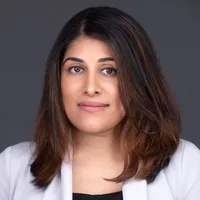
Elise Stribos
Chief People Officer, Jungle Scout
Remote Work's Missing Link: How Authentic Connection Fuels Productivity & Engagement
Episode 44 · January 14, 2025 · 9:16
Remote Work's Missing Link: How Authentic Connection Fuels Productivity & Engagement
Key moments
In Elise's words
“I think our profession is a really important one with really important things to do, particularly in the world of AI. And the more experience I can bring to whatever company I'm in at that moment or that point in time, the better.”
“you won't get productivity without relationships and connection. You just won't. It's absolutely fundamental to it. It's critical to it. And everybody has to believe that.”
“leaders need to again, set aside and set the tone that it's okay to make this trade by being involved.”
Transcript
Read the transcript1,688 words
HostWelcome to the Built by People podcast, where we share the stories and insights of the world's top HR leaders. Join us as we dive deep into the minds of HR executives, uncovering their strategies, challenges, and triumphs in shaping today's workforce. I'm excited to welcome Elise to the Built By People podcast. Elise, thank you so much for joining us. And as a starting question, I always love to ask if you could tell us a little bit more about your career journey.
GuestSure. So I started my career in Australia, in Sydney actually, and have always been involved in HR. I think the approach to my career has always been expose myself to as much as possible and learn from as many people or circumstances as I can, which means I've been involved in quite a lot of industries. I'm definitely not as scared to approach like a startup or high growth environment or something that's going to push me a little bit out of my comfort zone. Because then I know I'm going to meet new people and experience new things that allow me to be better at my job. And I really think our profession is a really important one with really important things to do, particularly in the world of AI. And the more experience I can bring to whatever company I'm in at that moment or that point in time, the better. So yeah, I was like always in generalist HR. Since I've been in the US, I worked in electric vehicles for a really high-growth startup really early there. I worked in fitness and wellness, so for F45 Training, which is really cool and an Australian-based company as well. And now I work for a company called Jungle Scout that is a SaaS platform that helps people kind of make sense of Amazon and improve their brands on Amazon. So really diverse.
HostElise, what strategies are you using to foster a sense of community and connection among remote teams?
GuestYeah, this is extremely important to us. Our company is fully remote and it has been from the beginning, which means we're good at it. And we have been practicing these things with intention since way before COVID And so we've also been able to iterate and improve. So the, I guess there's sort of two components. There's sort of the fun, how do we get connection and collaboration and build relationships in a remote environment, which we tackle one way. And then there's the sort of shared sense of purpose, alignment, communication, transparency piece of it as well. And we think about them in very different ways. But the key to both of those is really they have to be across a lot of different platforms so they're accessible. They have to be very intentional and thought through. They have to align with our values and we have to make sure that leadership is setting the tone from the top with all of these things. Otherwise, participation isn't there. It's really easy to hide remotely. And if you don't get participation or permission or highlight the importance of these things, it just becomes lost.
HostThat brings me to my next question, uh, being how do you balance the need for productivity with creating opportunities for employees to build personal connection in these virtual environments?
GuestYeah, I would say firstly, you won't get productivity without relationships and connection. You just won't. It's absolutely fundamental to it. It's critical to it. And everybody has to believe that. So, If you don't, people get lost, they get lonely, they disengage from the business and you lose any sort of productivity you may have. But because you're in a remote environment, it sort of does look like a loss of productivity when you jam something on someone's calendar or you craft an event, um, on face value. And so that comes with a perceived opportunity cost of dropping the work that you would do in that time. So there's like a lot you have to get right. Firstly, things have to be really valuable, but again, it just has to be an expectation that this is facilitating productivity, not getting in the way of it. Finally, like you probably shouldn't organize over a board meeting or like a town hall or something because then you're really not going to get the attendance, but it's something we think about all the time.
HostWhat role does leadership play in setting the tone for both connection and collaboration in a remote-first culture?
GuestYeah, they own it 100%. Of course, everybody else has to feel ownership, but they have to have a philosophy or stance on it from the beginning. They need to align on it. It needs to have very clear tenets and it needs to be communicated to the business. An example could be what we believe about participation or what everybody's responsibility is to connect with others one-on-one as part of their onboarding. Examples like that are really important. Then leaders need to walk the talk. They need to be committed. They need to be present and they need to give their teams permission to attend. So, where there does get that moment in time, everyone's really busy and they see this like thing pop up on their calendar. Leaders need to again, set aside and set the tone that it's okay to make this trade by being involved. And so in a remote business, the critical moments your team members experience are in those meetings. And if they sit there and they see a leader of the business in front of them, staring back at them, getting involved, they're recognizing the value of connection and collaboration in a remote team, and they're going to continue to prioritize that for much longer than that single event.
HostAnd how do you measure the success of your efforts to build community and connection among remote employees?
GuestWell, in my mind, I definitely correlate it to engagement. So if I correlate it to engagement, look at a very wide range of factors on our dashboard monthly, um, leading indicators, lagging indicators. We regularly interview team members, we pulse check the organization, and we really closely assess like exit metrics and reasons. So that looks at it quite a bigger picture. Are we doing a good job? Um, where the lagging indicator is, a good example for us is Glassdoor. So Jungle Scout's rating is 4.5 stars, which is really high. The average is 3.7. And if I, and we watch it closely and the content relates a lot back to our culture connection, the people. So I got to believe we're doing a good job. So the individual events, we also look at like micro events and how well they're performing. So we have a cross-functional culture committee we get feedback from. We do like little surveys after every town hall to see if it's like hitting the mark or not. And then we assess participation trends and engagement in these things as well, so that we validate the, how valuable each of these kind of little micro sessions are and then constantly iterate on them.
HostWhat creative initiatives have worked best for engaging remote employees and reinforcing a shared sense of purpose?
GuestOkay, I'm going to actually tackle that in two because I think the most creative ones aren't necessarily the best for driving a sense of purpose., but they also are probably the best for driving engagement. So more fun ones, the most recent example, and I don't have his name, but we did this magic show that we've done 3 years in a row. And it's a remote magic show where this guy comes on and he really gets everybody involved in it. And he does magic over the screen. So it's super, super interactive. It's funny. It's very human, very self-deprecating humor. And people really love it. They can bring their kids and their pets and their family. And so it becomes a lot more kind of a personal experience. We follow that up by breaking everyone into breakout rooms and giving them sort of starter questions so they can get over that first hurdle. They've participated in the show and it really creates a rich conversation. So that's like a good creative example. In terms of driving a sense of purpose, definitely our town halls are the most important. We create very intentionally, we share a topic and ask for questions in advance. We run it via Zoom, we record it. We make sure people can attend. We put it at a time most people can attend. And then we address questions openly at the end of it to bring this humanization to the recording or the event. I think it's easy to be really robotic or cold in an all-hands or over a digital forum. So we really focus a lot on transparency, getting like corporate vernacular out of the business as much as possible and encouraging people to share personal stories, both in these connection events on Slack, wherever they can. And that breaks down barriers and it connects people. And then it makes people, to your point, I guess, more productive, but also makes Jungle Scout a really like fun place to work, even though it's remote.
HostElise, any parting advice you'd like to share with our
Guestcommunity? Humanization is the most important thing as we go into like more of an AI world, whatever. I guess the HR community can do to reinforce the idea that personal stories, like being real as a human in your interactions, like addressing things that are good and bad and transparency, that's going to be the difference for us, particularly in culture and connection. Otherwise, I think like these businesses can become a really lonely place. So whatever you can do to prioritize that.
HostElise, thank you so much for joining us on the Built by People podcast. It was a pleasure having you on.
GuestThank you so much. I enjoyed talking with you.
More conversations like this