Episode 183 · May 5, 2025 · 13:58
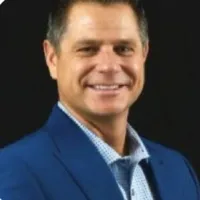
Lisseth Zouhbi
Chief Human Resources Officer, Child Care Resource Center
HR Leaders: Thrive in Constant Change with AI-Driven Adaptability & Strategic Vision.
Episode 183 · May 5, 2025 · 13:58
HR Leaders: Thrive in Constant Change with AI-Driven Adaptability & Strategic Vision.
Key moments
In Lisseth's words
“Change is constant, and I think we live in that type of world nowadays.”
“The big success was that everybody got paid. That was the most important.”
“Aligning the people and the business strategy. You know, this is one of the areas that I'm the most passionate about.”
Transcript
Read the transcript2,105 words
IntroWelcome to the Built by People podcast, where we share the stories and insights of the world's top HR leaders. Join us as we dive deep into the minds of HR executives, uncovering their strategies, challenges, and triumphs in shaping today's workforce.
HostI'm excited to welcome Liseth to the Built by People podcast. Thank you so much for joining us. And as a starting question, I always love to ask if you could share a little bit more about your career journey.
GuestThank you. Well, I appreciate being on the podcast and sharing a little bit about me. I've been in human resources for almost 25 years. My career actually started in hospitality. I worked in hospitality for over 2 decades, started in operations, did finance, and actually got into human resources by accident. Was mentored by a great leader and worked my way up from a coordinator to CHRO. I've worked with great organizations, Starwood Hotels, Fairmont, Langham, Rosewood Hotel Group, Oakwood Hospitality, and then 3 years ago, I pivoted to nonprofit industry, and I'm currently the Chief Human Resources Officer for Child Care Resource Center here in LA.
HostCan you share a story of a time when you helped a team navigate a major organizational change? What specific tools, frameworks, or approaches did you use to keep them engaged and productive, and how can HR leaders apply those today?
GuestChange is constant, and I think we live in that type of world nowadays. One of the biggest changes most recently has been the implementation of Workday. We implemented Workday here at CCRC, and we went live December of 2023. We used the ADKAR model. A lot of it was really a lot of preparation for the conversion. It was a new technology system for us to use across Human Resources and Finance. We had to build the awareness for the change and why we were doing this change, and that was really critical, explaining the why, especially because we had been using multiple systems for a long time, bringing that knowledge and understanding of how things were going to change, building a communication strategy, building our key stakeholders and those change agents that were going to help us drive those changes. We went through different phases with the implementation. We would have monthly recaps with the team on understanding where we were, what the challenges were, building a communication plan tailored to the audience, whether you were end user, administrative user, or from the employee experience, looking at that lens, how can we improve the employee experience using technology? When we went live, We were also very mindful in terms of the timing because it was right around the holidays. And taking that into consideration, we had to break the training. We had several one-on-one sessions. We had check-ins with individuals and groups and understanding the troubleshooting, what was working well, what didn't work. Obviously, the big success was that everybody got paid. That was the most important. We've been able to modify as we've gone live with Workday. And that has been based on the feedback that we're getting from the team, from the users, how our processes are changing, how the organization has changed. So that has been one of the major org changes that I've been a part of, and being able to really use those change management tools to navigate through such a big conversion that lasted for a period about almost 15 months. So it was quite a transformation for us.
HostTell us about a learning and development initiative that you've led that transformed both individual skills and team dynamics. What technologies or methods stood out and how can others replicate that success?
GuestThat was another big initiative here at CCRC. There was a need for us to develop individually and for our leaders And so before I navigated to any type of plan or strategy, doing an analysis was important. So we did a learning needs, a training needs analysis to understand, get the feedback directly from those stakeholders, from the leaders. What were some of those training initiatives that was important for our workforce? So after we did the training needs analysis, we did an analysis in terms of the internal trainings that we already had. A lot of it was compliance and we realized that we needed to develop and focus more on leadership and soft skills. So one of the tools that we started to use, some AI tools as a matter of fact, Scribe and Articulate 360, to reformat some of the trainings that we already had in place, but use it in a more interactive content and more bite-sized learning, microlearnings as we call them. And this was also very helpful with the implementation of Workday and some new processes that we were rolling out. So we used those tools. In addition, we wanted to incorporate some classroom training because there is a lot of value in sort of those in-person trainings. And so we took a step back and identified where can we incorporate some microlearnings followed by classroom setting trainings. And then followed by any additional follow-ups or takeaways or action plan. As a result, we also developed two leadership training tracks. As I mentioned to you earlier, leadership training was really important for us. And the L&D team created a program for senior leaders based on feedback that includes strategic thinking, change management, having difficult conversations. And so it's a series of 10 different classes that we're facilitating. Some of them incorporate pre-training or some assessments. And then when we meet during our monthly leadership meetings, we facilitate this training and it creates that opportunity to build individual skills, but also collaboration amongst the leaders and work through some of the opportunities that we may be experiencing and how we're adapting those training key learnings into the real world of what we are experiencing. The second piece is a manager track for middle managers, taking the same concept of having 10 different modules with monthly trainings that incorporate some individual microlearnings and also classroom setting. And then the last piece we're just— that literally we just launched this week was the LinkedIn Learning. So we partner with LinkedIn to also engage with them and giving them another additional tool that they can use on their own to supplement the training plan that we're launching for all the leadership groups across the organization.
HostCan you walk us through a real example where you aligned a company's business strategy with its people strategy? What were some of the practical steps or tools you used to bridge that gap, and how did it impact employee buy-in and business results?
GuestYou know, this is one of the areas that I'm the most passionate about is aligning the people and the business strategy. We have a great partnership with McLane Company. They have a great tool that I've used. It's— they call it the HR Governance Survey, and it's a two-part survey. First, I did an internal survey with the HR team, and it broke it down by all the different areas of responsibility within our team. But I wanted to get feedback from them. What was working well? What needed improvement? Where do we have gaps? What are some of the priorities that they see? And then I also did a similar survey, also using the McLane Diagnostics for the senior leadership team. But the outcome for me was to understand what the perspective was from the HR team and what was a perspective from the senior leadership team to come together with some common strategies. From there, I developed 3 key strategic pillars for HR, which we call people and culture. And this also was a great tool for me to align both what we were developing, strategies, programs from the people side with what the business needs. And so this is a tool that I want to use annually to see also how things are evolving, where things are changing.. And it gives me a good perspective of where is that alignment and where we need to improve on building and those gaps within the teams across the organization.
HostResistance to change is common. Can you recount a situation where you turned skeptics into advocates? What specific emotional intelligence techniques or change management models did you lean on, and what were some of the actionable takeaways that listeners
Guestcan use? Staying with the theme of change in the organization, there's been a lot of reorganizational structure changes because the business has changed and evolved. And it's been a combination of strategies to build in that support and advocacy for those changes. One of them, basic tool, using the SWOT analysis, right? Doing that analysis across the board within the organization and within the departments to understand, again, sort of where the similarities, those gaps are. Doing a gap analysis to determine the current state of the organization and what is the desired future state. On top of that, identifying the key stakeholders that are going to be able to help us drive those initiatives. Having a communication plan is critical because the more communication that we have on updates in terms of What is changing? Why it's changing? Understanding the why is really important. What's in it for me to be able to adapt to these changes? Developing an execution plan with a timeline and looking at things holistically, especially because not only are there reorganizational changes, but there's program changes, there's policy changes. And so looking at a big picture of how how all these elements are interconnected is really critical. Part of the execution piece is doing those check-ins, right? Identifying what went well, what didn't go well, what are some of the lessons learned that we can continue to improve on. And we've had to adjust this as we've progressed through executing some of these changes because of things that have been out of our control. And this is where being able to pivot is important, but being able to have that direct communication with, with the team individually, understanding where the concerns are, explaining the reasons as to why, getting the team engaged and on board. And it's a transformation, right? And it takes everybody to be part of this to be able to be successful.
HostLuceth, can you share a compelling case study of a company that nailed integrating change management with L&D to boost personal growth and hit business goals. What technologies, frameworks, or strategies like OKRs or agile development made it click, and how can our audience adapt those lessons?
GuestOne of the ones, as I was doing some research, it was the one example, Microsoft, when the new CEO in 2014 took over. That time, Microsoft was having stagnant internal culture as based on the research. They were successful. Innovation was a little bit slow. And so when the CLT took over, one of the things that was important was understanding that change mindset, that resilience and opportunities for growth. They focused a lot on change management and L&D tools to drive that change, to build that culture and that culture of innovation to be able to continue to thrive in this very competitive market.
HostWhat parting advice would you like to share with our community?
GuestChange is constant, and we have to be adaptable and resilient to change. Focus on the things that we can control and stay curious about what you can't. And this is where also learning knowledge is powerful. We never stop learning. And the more that you stay curious and want to learn more, It gives us the flexibility to be able to pivot and adapt when change comes. We need to be able to recognize what are the concerns that we have about what's changing, but also be cognizant of where can we adapt and what is the impact that this change is going to have so that we can be able to pivot. And the more that we are able to pivot and manage through change, I think it's going to help us in this world. Especially with how quickly things are changing with technology. And I know everybody's talking about AI. We shouldn't be afraid of it. We should be curious about it, learn about it, and pivot because that's the only way that we can succeed in the world nowadays.
HostThanks so much for joining us on the Built By People podcast today. It was a pleasure to have you involved.
GuestThank you. Likewise.
More conversations like this