Episode 250 · June 20, 2025 · 9:09
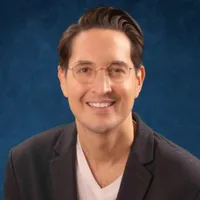
Jennifer C. Roth
Adjunct Professor, MSHRM at UConn School of Business and Leadership Coach, UConn School of Business
Transforming HR: Lifelong Learning Powers Strategic Business Partnership
Episode 250 · June 20, 2025 · 9:09
Transforming HR: Lifelong Learning Powers Strategic Business Partnership
Key moments
In Jennifer's words
“So my career has really been shaped by a deep belief in the power of lifelong learning. It's not only been a personal value, but it's really been a strategic imperative for HR leaders.”
“So based on what I learned, I advised business leaders what skills are most critical, and then in turn, where we should prioritize our talent searches. So through that, I demonstrated how to be proactive, business-driven, and a trusted partner.”
“So one of my leadership tenets is that everybody should feel seen and heard. So by asking questions and truly listening, people will feel that way.”
Transcript
Read the transcript1,432 words
IntroWelcome to the Built by People podcast, where we share the stories and insights of the world's top HR leaders. Join us as we dive deep into the minds of HR executives, uncovering their strategies, challenges, and triumphs in shaping today's workforce.
HostI'm excited to welcome Jennifer to the Built by People Podcast. Jennifer, thank you so much for joining us today. And as a starting question, I always love to ask if you could share a little bit more about your career journey.
GuestAbsolutely. And thank you for having me. So my career has really been shaped by a deep belief in the power of lifelong learning. It's not only been a personal value, but it's really been a strategic imperative for HR leaders. So my bachelor's degree and my master's are both in education. Bachelor's was in education and counseling. And while I was in my first HR role as an associate generalist in a global technology firm, I went to school part-time in the evenings and completed my master's of education and instructional design. Even back then, I was passionate about helping people grow at work, and that passion has only deepened over time. I then made the move to the Big Apple to work for Ambac, a Wall Street firm, as an AVP HR generalist. Early on, I was given significant responsibility and autonomy, which really accelerated my learning and growth. In addition to learning on the job, I always made sure I was learning outside. So I also completed a certificate in career development and executive education programs. I became a people manager early on in my career, and I really welcomed the opportunity to support my team's growth. My own growth was equally as important as the growth of my team. I eventually became the head of HR at Ambac, and after 11 years, I joined the Federal Reserve Bank of New York. A colleague and I were hired to build their first-ever strategic HR business partner model. The model was highly successful, and I eventually became the head of the people experience partners. Which brings us to today. So over the years throughout my career, I've led initiatives in leadership development, culture transformation, talent strategy, all centered on the idea that organizations thrive when their people do. So today I get to live that value in a variety of ways. I teach in a master's program in human resources management. It keeps me engaged with the next generation of HR professionals, and it exposes me to a lot of fresh ideas. I'm also a leadership coach, and that allows me to support leaders on their own growth journeys. So for me, when I look at my HR career, being an HR leader means being a lifelong learner, staying curious, adapting to change, and helping others do the same. It's what energizes me, and it's why I'm drawn to roles where I can really contribute to build cultures that prioritize development, equity, and continuous learning.
HostJennifer, can you tell us about a time when you successfully transformed from being just an HR professional to becoming a trusted business advisor? What specific approaches did you use, and how did you measure that transformation?
GuestYeah, absolutely. I still remember this moment. So while I was at Ambac, we had been gearing up for a high-growth period. Recruiting became a priority, and I had to learn new businesses. More importantly, I also had to demonstrate that I understood these businesses so I could source the top talent. So I joined business leaders' client calls, got to attend credit committee meetings, and spoke with industry colleagues. So based on what I learned, I advised business leaders what skills are most critical, and then in turn, where we should prioritize our talent searches. So through that, I demonstrated how to be proactive, business-driven, and a trusted partner. That then gave us a lot of repeat clients, and word got around, and other senior leaders came to HR in advance of when they needed us. So that was really the beginning of strategic partnership. We measured this transformation through ongoing feedback loops, hiring and retention data, and then we had client experience surveys. So the data was great in helping us celebrate, how far we had come, and then also identify what else we needed to do to continue to grow as trusted partners.
HostJennifer, you've mentioned investing in your own development as something that's crucial and something I certainly believe in as well. Can you tell us about how your recent coaching program and experience teaching has shaped your leadership approach and what that journey taught you about continuous learning in HR?
GuestYes. So the coaching program reinforced two main things for me. One, the power of asking courageous questions and then active listening. So one of my leadership tenets is that everybody should feel seen and heard. So by asking questions and truly listening, people will feel that way. I also learned a tremendous amount from my professors and fellow classmates. We developed a strong bond. We are still close today, and I expect we will be close for the future, and it allowed us to be, I'd say, more vulnerable in terms of sharing like our own experiences, our own fears, what challenges we had. And we've learned so much from each other. We still learn from each other today. For teaching, it was a good reminder to me that people learn in different ways, and they also bring different life experiences to the classroom. So my cohort of students range from early career professionals to senior leaders. They also came from a variety of industries, including financial services, private and public education, and even the military. They were also at different points in their master's program. Some, it was one of their first classes, and for others, it was their last class. So I really appreciated too how they supported each other's learning and were very respectful in terms of each other's experiences. So I think between the two, they've really taught me that learning keeps you engaged. It also helps you be more open to change and to be more open to others' views, perspectives, and life experiences. And lastly, it's something that can't be taken away from you, whether it's learning a skill, learning some new information, or in a more formal sense, like earning a degree. That learning can never be taken away from you.
HostJennifer, could you share with us a specific example of how you've helped people managers navigate the complex challenges faced since the pandemic? What strategies have proved to be most effective?
GuestYes, so I helped managers increase, I'd say, 4 key skills: agility and resilience, and then trust and transparency. So to help them build agility and resilience, I worked with them in developing, or for some it was enhancing, a growth mindset. So by having a growth mindset, the managers can navigate the roller coaster of ups and downs daily, or even long-term, with greater ease. And then they also are modeling positive behaviors for their team. We ask a lot of our people managers, and that has only increased since the pandemic. So we need to make sure that we're also supporting them. And that's where HR serves as that trusted advisor to the businesses. And then together with that partnership, it's really critical for everybody's success. I also help them enhance trust and transparency. So that— what it looked like was helping them with their messaging, making sure that the talk aligned with the walk, words aligning with their actions. I also encourage them to overcommunicate. Even if they had no new information. Especially in challenging times, people managers need to remain engaged and accessible to their teams. Employees look to their manager for their main source of information, and they expect to be trusting what they are told.
HostJennifer, what parting advice would you like to share with our community?
GuestSure. So I'd say be curious, push yourself outside of your comfort zone, Raise your hand to do new and different things. And to cap it all off, in terms of learning, like, learning is a lifelong journey, and every day you have a chance to grow and learn. So if you make learning a daily priority, you build what I call a life of purpose, power, and possibility.
HostJennifer, thank you so much for joining us today on the Built by People podcast. It was a pleasure to have you involved.
GuestThank you very much.
More conversations like this