Episode 54 · January 20, 2025 · 6:51
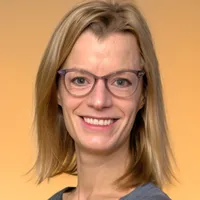
Elizabeth Lages
Chief People and Culture Officer, Flexera
Unlock people power: Operational HR and scorecards transform organizational success
Episode 54 · January 20, 2025 · 6:51
Unlock people power: Operational HR and scorecards transform organizational success
Key moments
In Elizabeth's words
“My career journey did not start in HR or people and culture. My career journey started in sales. It took me into operations through leading channel, and then I've been focused on people and culture or effectiveness in some way, shape, or form for a little shy of a decade now.”
“what we do here at Flexera is we look at things, we keep score, which is a core value of ours. So what a lot of things that we'll do, we create scorecards.”
“our managers and our leaders are so critical and key, right? They're the tip of the spear. And so the best way that we can support them is really ensuring that they have the tools to be successful.”
Transcript
Read the transcript1,087 words
HostWelcome to the Built by People podcast, where we share the stories and insights of the world's top HR leaders. Join us as we dive deep into the minds of HR executives, uncovering their strategies, challenges, and triumphs in shaping today's workforce. I'm excited to welcome Elle to the Built By People podcast. Elle, thank you so much for joining us. And as a starting question, I always love to ask if you could share a little bit more about your career journey.
GuestSure. Thanks so much for having me. So my career journey did not start in HR or people and culture. My career journey started in sales. It took me into operations through leading channel, and then I've been focused on people and culture or effectiveness in some way, shape, or form for a little shy of a decade now.
HostExcellent, Ellen. First question I want to ask is, how can HR leaders effectively apply operational disciplines to the people and culture function? To align closely with business goals?
GuestYeah. So one of the— I think because of my background, especially coming from an operational role, when I stepped into the people and culture lens, I did have an operational viewpoint to it, and I also had very much a business lens. And so what we did and what we do here at Flexera is we look at things, we keep score, which is a core value of ours. So what a lot of things that we'll do, we create scorecards. So, for instance, even for our hiring process, we'll create very specific role scorecards that identify the key critical skills we need for a candidate. And so it's also an unbiased and objective way that we look at candidates. Similarly, we do that with performance. We look at our performance, we talk about ratings and evaluation, we do calibration to make sure that we're fairly, again, recognizing So in much of everything that we do, there's an element of keeping score or a way to have visibility into that. And we also do employee surveys. And so the employees tell us how we're doing, whether we're red, amber, green, where we have those hotspots, and then that gives us an opportunity to take action.
HostEl, what are the key expectations for both leaders and managers in terms of talent management, and how should HR support them in meeting these goals?
GuestYeah, so our managers and our leaders are so critical and key, right? They're the tip of the spear. And so the best way that we can support them is really ensuring that they have the tools to be successful. So we do, we call them Flex Talks. We also do leadership sessions where oftentimes we'll bring in external subject matter experts to talk about coaching or delegation or areas that we think are relevant to help our managers and our leaders be more impactful and also giving them the opportunity for that professional development. We have concepts. We work with a woman who we bring in regularly, this idea of shadow of the leader and how we show up every day and bringing the weather as leaders. And so we try to implement specific, very useful opportunities for our managers and leaders. They become, right, the critical point for all of our team members on the front line. One of the things that we also expect for all of us, we do weekly one-on-ones, we call them O3s. So every week, every manager is expected to spend 30 minutes with every member of their team. And part of that dialogue is also meant to be about career development opportunity. And that has fared really well for us.
HostWhat scorekeeping methods do you use to ensure accountability and measure success in HR initiatives?
GuestYeah, so similar to what I mentioned earlier, we do goal setting as part of our performance, and then we will score and keep track of how we're doing against the goals that we set out. We try to ensure that the goals that we set, even at an individual or team level, align to the corporate level. And corporately, we keep score, right? Not just from a financial perspective. We look at regular indicators on employee satisfaction, intent to stay, do they plan to be at Flexera, how they feel about their manager impact. And so we use all of those metrics as a report card, if you will, to help us determine where do we need to spend time and focus for the better of the team members and the better of the business.
HostEl, how do you ensure alignment between HR's activities and the CEO's vision for the organization?
GuestI think The partnership and the relationship between the CEO and the people leader is critical. And in order for real success, I think, to be accomplished from an employee-first perspective, you need that alignment between the two. And so for me, I'm very fortunate. Our CEO, Jim Ryan, I am very closely aligned to what his not only corporate strategy is, but what his company vision is and what he wants and aspires from an employee perspective, a customer perspective, and a partner perspective. And so I think being aligned on that and communicating as a unified team and even as a broader senior leadership team, we're all aligned and walking in the same direction in terms of what that corporate vision and strategy is, and then ensuring that all of the team members, their goals, their areas of focus, all aligned to that as well.
HostEl, any parting advice you'd like to share with our audience?
GuestI think the key is thinking about moments that matter for your employees, recognizing the small things in addition to the big things. I'm looking for subject matter experts in any particular area. I use Gartner a lot from a people and culture perspective to help us fill in gaps where we may need more advice. And I think it's working closely with the broader business so that you're in tune and aligned with every function and ensuring that your business partners are a part of the business, that they're just not behind the scenes HR, that they're actively working in all parts and being represented as a partner to the business.
HostEl, thank you so much for joining us on the Built by People podcast. It was a pleasure having you involved.
GuestThank you for your time. I appreciate it.
More conversations like this