
Guest · with Kimball · 24:34
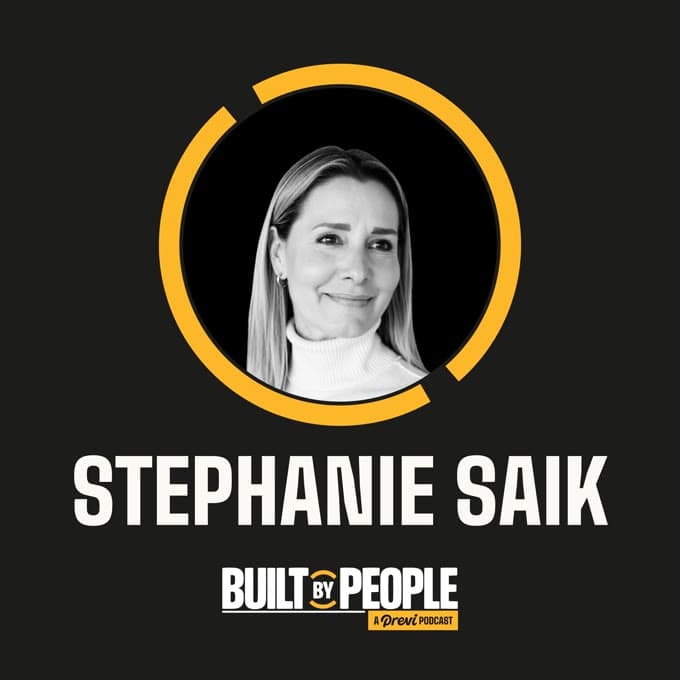
Stephanie Saik
Head of People & Culture, Ash Hotels
We're Definitely Not the Enemy
Key moments
Share Stephanie's words
In Stephanie's words
“We have to be knowledgeable about compliance, but we shouldn't lead with it. Go spend a day at the front desk, sit down in the break room and eat lunch with people. It seems very basic, but those things create trust.”
“We have to address it, but we can address it in a way that's like, okay, how can we help you? There's ways to hold people accountable in a kind and fair way.”
“A termination for cause or for performance should never be a surprise. If we're having that conversation, it should not be the first time this employee is hearing it.”
About this conversation
Stephanie Saik is Head of People & Culture at Ash Hotels, a boutique hotel group, and has spent over 20 years in hospitality. She started as a hostess, worked her way up to general manager of a barbecue restaurant, and moved into hotels and then HR. She and Kimball talk about building the People side of Ash from scratch, how she prepares for hard conversations, why HR isn't the enemy, and why hiring is the biggest piece of the guest experience.
Transcript
Read the transcript4,389 words
IntroI hate it when people say, well, HR isn't your friend. Well, I mean, we're not, we're definitely not the enemy. And most HR people have the employee's best interest in mind.
HostAll right. Welcome to the Built by People podcast, Stephanie. We're super excited to have you on. I'm going to read— yeah, we're going to read something real quick, just a little bio, and then we'll jump into the questions. But Stephanie has spent over 20 years in hospitality, moving from operations into people roles across a handful of hotel groups. Most recently, she was Regional Director of People and Culture at Loehr Group. And since 2024, she's been head of people, hotels at— of, yeah, head of people of Hotels at Ash, where she's been opening new properties. So yeah, it seems like it's been a really busy year for you and your role. Tell me a little bit more about the growth and how that affects your job more than anything.
GuestYeah, it's been such an exciting year, but you know, I— it'll My 3-year anniversary with Ash is coming up in February, and it has been a really exciting and action-packed and never a dull moment 3 years. So I can't even say just this last year has been busy. They, you know, prior to 2024, we had 4 wonderful, well-operated running hotels, but they were kind of siloed. There was really nothing bringing Ash together as a brand and as a company. We were very lucky to have amazing hotel general managers who did a really great job of, you know, kind of living and breathing the brand every day. But when our founders were really gearing up for growth, they were like, you know, we need to bring an actual hotel operating executive team on board to help us through this process. So I was one of the first hires for that. The— my boss, the president of the hotel division, came on and brought me on shortly afterwards. And we built a hotel exec team. We kind of formed this brand and, you know, started from scratch putting all the foundations in place that weren't there to take things from being good to being great. So, I mean, I was, I've been doing everything from building handbooks to, you know, launching a 401 for the first time to consolidating everybody under a single benefit plan. We had no training manuals. We had no guidelines for hiring for, you know, for what it meant to work at Ash. We have always been a very design-driven company and a lot of attention into what our hotels look like and feel like for the guests. But there was never really a focus on what does it feel like to work here? So that's where we all came in and that's what we've been building for the last 3 years. And We— I'm very proud of everything we've done. We've still got some work to do, but we've laid a really great foundation. And now that we are growing rapidly this past year, we're passing on all the things that we've learned and put into place into bringing new team members on board.
HostYeah, I love that. And so every time you open up a new hotel, I can imagine that's hundreds of people that you have to hire. like, talk to me about how do you get organized before the chaos happens and, and how, what do you prioritize
GuestI mean, luckily our hotels are all small. Our largest hotel has 116 rooms, so we're not— our largest hotel has 80 employees, so we're not talking of people, luckily. Um, yes, that would be a whole other level, but You know, I think the most important thing is starting at the top with leadership. And, you know, part of my role and with working with Corey, who's our president, is making sure that we put GMs and senior leadership in each hotel that really understand what we're doing and where we are as a company. And they understand the brand, they understand the people side because that, that seat in a property is the most important. And it really, that culture and everything that hotel is going to be is driven by that person. So has to be alignment there. So that's where we start getting a really fantastic GM in there who's going to run the day-to-day for us and then helping that GM build their team, you know, getting their director of sales in who's going to bring in the revenue and the operators. And just, it's really important to make sure everybody is aligned because Because if you have one person that you bring in, you know, for whatever reason that we're not 100% sure about, they can derail the entire operation. So that's the priority, getting good senior leadership in there, supporting them as they build their teams. Yeah, there's a lot more to it than that, but on my side, that's a priority.
HostNo, I love it. And I, I love kind of going back to your origin story of being a people leader. So before all of that, you ran a, you ran a restaurant as general manager before, before you ever worked at a hotel. How did you end up from there to the people side of the business?
GuestYeah, just, you know what, a lot of luck, I think, and a lot of good connections and a lot of saying yes to things. I, you know, I started working in restaurants. My first job was as a hostess in a restaurant and then all throughout school. When I was 18, they let me be a server, and then when I was 21, they let me be a bartender, and I always worked in restaurants. And then, you know, at one point I wasn't sure what I wanted to do, where I wanted to go, and the restaurant where I had been working offered me a management position. I was like, sure, I'll do it, you know, and I fully intending it to be, you know, short-term. I had studied communications, but I had no idea what I wanted to do. So, but I fell in love with it and I, you know, and I was very good at it. So I kind of stayed, and this was not a fancy restaurant. This was a barbecue restaurant in, you know, in a college town. And I was, you know, throwing pork shoulders in the smoker and, you know, making potato salad and, you know, but I had a team of, so I kind of raised through the ranks and my last few years I was there, I was the GM. And all, we didn't have HR on property, obviously, as a small business. So all of the people stuff fell on me. So I did all the hiring, all the training, all the, you know, all the tough conversations. So later when I got the opportunity to switch over to a hotel environment, kind of the same thing happened. Small company, no HR on property, a lot of those things fell on me and it was just a, a part that I loved. And when I was actually with Modus Hotels, two jobs later from the restaurant, the VP of HR, who to this day is my mentor, I adore her. I owe everything to her, I always say. She saw something in me 'cause I was still kind of in an operations role, but we didn't have HR on property, we didn't have accounting on property, we didn't have sales on property. So I was the person that was sort of the catchall for those positions to take it to the corporate level. And she got the opportunity to actually build a people team and asked me if I wanted to be on it. And I was like, I know nothing about HR. I can't, like, I'm not ready. I, you know, but she was like, look, you're doing 75% of it. All the legal stuff, all the details, we can teach you. We can put you in some classes. We can get you certified. Like, That's why I'm here. And, you know, so that was the start and that was probably about 13, 14 years ago. and I kind of grew in that role and when I left there, I was overseeing 4 properties and, yeah, just sort of kept going.
HostYeah. I love that. What, looking back at 13 years ago, what, what advice would you give Stephanie then, uh, from the knowledge that you've gained today?
GuestWow. Just to, just to trust myself. You know, I think everybody struggles with a little bit of imposter syndrome, but especially coming into a role like this without a formal HR education and background, which now I know that probably 70% of us don't have that. We all just kind of fall into HR somehow, or many of us, you know, to really, to trust myself. Like I always, I've always been very much a say yes person and take on more responsibility person and, and learn. I'm a continuous learner. I'm always listening to podcasts. I'm always taking random, you know, LinkedIn courses that pop up. I'm always, you know, so I would tell, and I tell my daughter this now, I'm like, say yes to things, take on more responsibilities, and continually try. To learn new
HostYeah, I love that. I want to go back. You'd mentioned you have a very unique business where a lot of people have some remote workers, and I know COVID kind a lot of that as well. But you mentioned you want that culture to be kind of unified across all the locations you have. How have you done that and what's worked and what hasn't worked?
GuestYeah, that's been tough, especially since all of our hotel corporate opco team, we're all remote. So we live all up and down, you know, the East and West Coast. And we're, you know, the closest property to me here is in Baltimore. So I try to get up there as often as I can, but it's really making a concerted effort for all of us on a corporate level while we're rarely in the same room to make sure that we're communicating, we're all on the same page, we're building things together. And then we go to the properties as often as we can because we don't want to be the type of leadership team that, you know, and I've seen it happen all the time where, you know, a hotel is in a panic mode because their corporate team is coming and everything has to be perfect and they're, and we're scary and all of this stuff. We go and, you know, really ingrain ourselves in the operation. We talk to the team members, we, We really live our values and what we believe in, and that is probably the most important thing. I think all of our hotel GMs know that they can pick up the phone and call me anytime to talk through a scenario or a situation. The employees, I get calls every day from employees who want to talk through stuff. So I think it's being approachable, being accessible, knowing the business. You know, there's nothing worse than in a hotel company to have a CEO who's never worked a front desk or never worked in a restaurant. So, and all of us have, we have that knowledge and experience. So, you know, being able to relate to what's going on on property, I think
HostWhat, what am I? Yeah. One of my favorite questions I love to ask is how can More employees partner better with
GuestYeah, you know, I think something that I really instill, like, it has to start from the HR team. We can't, we know HR gets a bad rap sometimes. We know HR gets a bad reputation as being, you know, the scary person that shows up when it's time for somebody to be fired. You know, and in a lot of ways, that's, it happens. I've seen it over and over again. And, you know, I think Unfortunately, there's been, there's been some things that have put us in a bad light, but I think, you know, as an industry and as an occupation, there is an active movement to sort of change the dynamic around HR and people. So, I'm excited to see that. So, I instill in my team, you know, yes, we have to be well-versed on compliance. Yes, we have to make sure all the paperwork is done. Like, yes, you know, all the tasks of the job need to get done. They need to get done well. We have to be knowledgeable about that, but we shouldn't lead with those things. You know, take the time to make, to form relationships with the team members. Go spend a day at the front desk, like sit down in the break room and eat lunch with people. You know, it's very, it seems very basic, but those things create trust. And I think, and again, it ties back to what I said earlier about having really good general managers and department heads in the company. Like, everybody is aligned with wanting to make it a great employee experience. So, you know, I think sometimes it takes time, and we just have to prove that we're there to help and support. But also, you know, we do have a business to protect. And when we do have the hard conversations, you know, I, we can be honest with people and transparent and be like, okay, well, you have been late 15 times in the last 20 days. Like, that's a problem. Like, we have to address it, but we can address it in a way that's like, okay, how can we help you? Like, how can we figure out a way to make this work? So, you know, I think there's ways to hold people accountable in a kind and fair way. My mentor, she used to always say iron fist, velvet glove to set Set standards in place, but let people know that we're, that we're there for them and we're humans too. And, you know, it's, it's worked.
HostI love that. Um, and I want to double-click, and this might get a little granular and that's okay, but how do you prepare for hard conversations? Is there a process or is there a routine that you do? What, what's How, how could you help someone else that has to go through that hard conversation?
GuestI know, it never, you know, it never gets easy. Tough conversations are tough, even after having hundreds of them over the years. I just, I try to really instill in our managers and my people leaders, like, we need to make sure that we're doing everything we possibly can do up to this hard conversation to make sure we've done our part. Because oftentimes, you know, a manager will be frustrated about something, and then an employee will come in. And we'll find out that the manager never told them these policies. They never set the expectations. They never— and there's always a back and forth, and that just, that doesn't help anybody. So, you know, I try to make sure that we have all the facts in place. We know, you know, we know everything that happened. We hear both sides of the story. We do really good investigations. We talk to people, and we don't jump to conclusions. And there's always side A, there's side B. The truth is always somewhere in the middle. and we just try to, try to be human and try to be honest and transparent. And I, you know, I don't like to sugarcoat things, but I also have learned how to say something in a way that, that is respectful and, you know, doesn't put people on the defense. And, you know, it's not always what you're saying, it's how you're saying it. So does that make sense?
HostYeah, no, totally. And I think a lot of times what's helped me is just setting the tone early in that conversation. Like if you bring someone in and you're like, hey, how's the family? By the way, we're letting you go. Like that doesn't go well. So instead it's like, hey, this isn't going to be a fun conversation. We're here for this reason. Let's talk through the why now. So I think you hit the nail on the head there. It's, you have to come ready with data as well. I think that always
GuestAnd I know, you know, yeah. And I tell people, you know, a termination for cause, for performance, anything that should never be a surprise. It's like, you know, if we're having that conversation, this should not be the first time that this employee is hearing that, you know, they're, they're doing something wrong or they're not performing up to standards. so, so you're right. It's if we do everything leading up to that conversation to where, look, we've tried everything we possibly can to make this. A successful partnership and it's just not working and here are the reasons, you know, then I feel better about it than, you know, than not.
HostYeah, yeah, no, definitely have to be prepared. All right, switching up to more positive. Um, what, what does the world What does most of the world misunderstand about your job and, and what advice would you give someone who's, who wants to maybe potentially seek a career in, in people management?
GuestYeah, I mean, I think a lot of people, gosh, I feel like there are a lot of misconceptions. I think, I think HR gets the brunt of a lot of, you know, we have to deliver a lot of messages that aren't always positive and they're not always our, it's not always our opinion. It's not always the outcome that we wanted or the outcome that we fought for. But here we are in a situation where we, you know, this was a company decision and, and we have to relay that message. And, and that's really hard. And I think HR often gets blamed for these decisions and how HR fired me. It's like, no, we didn't. Like, we shouldn't. HR should never be the one to decide unless it's something crazy and egregious, which happens often. But if it's, you You know, if it's a company decision. So I think that's a big thing. And, you know, I hate it when people say, well, HR isn't your friend. Well, I mean, we're not, we're definitely not the enemy. And most HR people have the employee's best interest in mind. And, you know, to an extent, your manager isn't really your friend either, and neither is the CEO, but somehow HR gets the brunt of that, you know, kind of bad guy persona. And I don't really know why. So yeah, those are probably the biggest misconceptions I would say.
HostSure. If we sat down 12 months from now, what would you have hoped has changed the most in your org?
GuestI would hope that just everything is because it's been such a whirlwind of growth in such a short time. I mean, we, you know, 3 hotels opening from September through December this year in and of itself. I just, I hope that next year is a year of stabilization and kind of continuing to build on that foundation and, you know, getting the word out there about who we are. We still, if you are, you know, if you're in the design industry or boutique hotel industry, you know, people are starting to know who we are as a company, but I really want to get us out there and you know, be an employer of choice. I want to go to all of the college career fairs. I want to go and promote the company at all of the incredible hospitality schools, whether abroad or here in the US. I want, I want people to know who Ash is and to recognize that we're changing the narrative about what it means to work in a hotel. Because like HR, sometimes hotels get a bad rap. You know, the hotel business is not known for its work-life balance. It's not known for, you know, generous time away. It's not known, for easy schedules. So we're really trying to change that because post-COVID, during COVID a lot of people left the industry and a lot never came back. So, you know, we're trying to build up that pipeline of people who are excited about what a career in hospitality could be. So.
HostYeah, that, that's amazing. So talking about benefits and then career growth, like, and then you're right too, in a hospitality business, mainly anyone that is in that, you, they want to leave reviews that are negative. So what are you doing to help your end customer and how do you feel like HR affects that?
GuestRight. Um, like from the guest side.
HostThe guest side, how
GuestGosh, it's so important. I think we're the gatekeepers, you know, while we allow not allow, while we encourage our department heads to build their own teams and do their own hiring, you know, on property, our HR person always is part of the interview process. We really have to protect that, our culture and just hospitality in general. There's a lot of people that apply and get hired and don't like people and don't want to deal with the conflict. And, you know, And we, so yeah, we have to be really, really careful about who we bring on board because that directly affects the guest experience. You know, we've all walked into somewhere, whether it's a restaurant, a hotel, or a store, and you've either been completely ignored or they're on their phone, they're rolling their eyes at you if you ask a question, they can't answer a question, you know, and that, no, that doesn't feel good no matter what business you're in. So really the best thing we can do to drive our guest satisfaction is putting the right people in these roles, making sure they're trained, making sure they are completely set up for success, making sure all of our teams are working well together. Communication is vital because no matter what the size of the hotel is, you know, if a front— if a guest has something going on in their room and, you know, the front desk is the point of contact and they have to communicate with the engineering and maintenance teams, then they have to connect with housekeeping. So, you know, people that really care about making sure that the problem is solved from start to finish and following up on it afterwards is vital because people will come back if you've solved a problem in a good way.
HostTotally. And, and then word of mouth as well, like that, you have no idea how much that impacts. And it all starts with with people.
GuestAnd we want people to have fun. I mean, our hotels are fun like that. We, this is not a boring you know, hotel that looks the same no matter what city you're in. You know, each of our hotels are so individual. Our employees are individual. We love that personality to come out. We don't have rigid scripts or, you know, things like we want people to be, to be real. Because when you go check into a hotel, you know, if somebody is just reading their script that they have to read or if they really care about why you're here and how we can help your stay be better and be representatives for the cities that we're in because we're in some really cool cities. So yeah, it's that, that hiring is the biggest piece.
HostYep. Okay. Last question I had for you. If you could leave one piece of advice for our community, something you wish you would known earlier, and I know we kind of hit on that too, but what advice would you give our community?
GuestNetworking is so important, especially, you know, especially the people who are newer in their careers. It's, you have to, You have to talk to people. You have to get out of your comfort zone. You have to, I mean, I was at a conference 2 weeks ago and I didn't know anybody who was attending, and I was nervous to walk into a room and socialize when I didn't know a single soul in there, you know, but you have to do it. And I walked away with a lot of really incredible contacts. But throughout my entire career, I have been offered roles and positions through people that I've worked with previously, you know, and it matters. So being able to manage up, being able to manage down, you know, somebody who used to be a server at the restaurant with me, you know, now he's a CEO. Like, you know, you never know who, where people are going to go and how you're going to, where you're going to find them again, especially in hospitality. Everybody knows everybody. so yes, so network, meet people, get your name out there, always leave on a high note, whether it's your decision to leave or their decision for you to leave, that, that your last moments in any job, could really make or break any contacts you have in the future. So go out with your head high.
HostYeah, I love it. Well, thank you again, Stephanie, and I really can't wait for this to get out so everyone can give it a listen, but it's been a fun conversation. I appreciate it. And you are a professional in all things HR, so thank you for for all of your wisdom you shared with us.
GuestYou so much for having me. This was fun.