Episode 186 · May 7, 2025 · 10:32
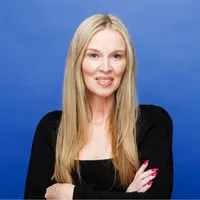
Samantha Howland
Chief People Officer, Gannett
Stop Hiring, Start Engineering: How CPOs Build Unstoppable Organizations
Episode 186 · May 7, 2025 · 10:32
Stop Hiring, Start Engineering: How CPOs Build Unstoppable Organizations
Key moments
In Samantha's words
“My career journey has been, as I describe it, a bit unorthodox. I spent a good part of my early career, a few different rounds working for founders, helping them scale how to scale a concept, a product, an idea, a service into a growing organization.”
“I think the role of chief HR officer, chief people officer is all about that. There's not one playbook. Obviously, there's functional areas of expertise, but I think the role is truly about understanding where your business is going for the future and making sure that you can deliver on the cultural aspirations and the functional aspirations of how people are hired and operate and rewarded.”
“My HR team is punching way above its weight. We deliver value with fewer people than you might expect ratio-wise to our workforce, but really scaling our services and our experiences for people.”
Transcript
Read the transcript1,680 words
HostWelcome to the Built by People podcast, where we share the stories and insights of the world's top HR leaders. Join us as we dive deep into the minds of HR executives, uncovering their strategies, challenges, and triumphs in shaping today's workforce. I'm excited to welcome Samantha to the Built by People Podcast. Samantha, thank you so much for joining us. And as a starting question, I always love to ask if you could share a little bit more about your career journey.
GuestMy career journey has been, as I describe it, a bit unorthodox. I spent a good part of my early career, a few different rounds working for founders, helping them scale how to scale a concept, a product, an idea, a service into a growing organization. So learned on the job, if you will, what it takes to build an organizational system that's sustainable. I am mostly technology-based businesses. And then I spent about 10 years in a strategy firm building a leadership development arm, helping organizations build strategic thinking and adaptation capability into their teams and organizations. And then the further end of the career has been in chief people officer roles, leading the HR function for bigger and bigger companies. And I've been— this is my 8th year in the largest company I've worked for in a pretty broad seat of all the HR responsibilities.
HostThanks for that great introduction, Sam. Can you share a specific example of a time when you successfully aligned HR culture and values with the company's strategic goals? What were the challenges and how did you overcome them?
GuestI think the role of chief HR officer, chief people officer is all about that. There's not one playbook. Obviously, there's functional areas of expertise, but I think the role is truly about understanding where your business is going for the future and making sure that you can deliver on the cultural aspirations and the functional aspirations of how people are hired and operate and rewarded. And supported in growth based on where the company's going, based on what your workforce needs. So I've done that over and over again. In recent years, we've been adapting this media organization for a changing landscape, for changing customer patterns, for the shift in what it means to be delivering local community-based news. The effort has been around making sure people can be connected to each other across a pretty distributed ecosystem of places, make sure people can feel connected to each other and can continue to learn. About 75% of our managers manage distributed teams. So as an example, we have put in significant learning and development assets and resources and programs and tools much of which is self-service driven. And people need to be thoughtful about what their goals are, where they want to go, and stay connected to where the company's going. Our goals have been cascaded, but we're really inviting people to be thoughtful about their own goals, coach managers, and how to enable those conversations and facilitate direction, and then ask people to lean in and to lean into their growth journey using the tools that we have. So I guess that example is really about achieving reach and guidance without a large team. So my HR team is punching way above its weight. We deliver value with fewer people than you might expect ratio-wise to our workforce, but really scaling our services and our experiences for people. And that requires teaching people how to think about their own career and their own direction without all the guidance that you might have expected in prior times.
HostSam, tell me about a case where you had to scale HR operations to meet growing business demands. What strategies did you implement to ensure HR added value during this growth phase?
GuestYeah, I did that pretty early in my career, which was really helpful learning. I was in an IT services business in a time where the competitive landscape was quite intense. I like to describe the business I was in as a bit of an underdog. We were competing for talent. Against bigger brands and national and global companies, and I was in a regional business. So I had to work with our marketing team, our leadership team, and facilitate a very thoughtful approach to what was the employee value proposition for joining our organization. And once we defined that, we had to promote that, of course, through our talent acquisition process. We also had to live it. So one of the things I did was invest significantly in that early stage onboarding, connection building, orientation, a leadership development program that actually ended up being award-winning, where people could get certainly connected to each other and the company's goals, get oriented into their jobs, and get deployed quickly to help us in a growing growth situation. And we did a lot around referral bonuses and bringing colleagues that people had worked with elsewhere, and then building stickiness through other leadership development experiences. So while the work was intense and we were growing quickly and we expected a lot of people, they felt like they were part of something. They were connected from the earliest days to senior leadership, being deployed into roles where they felt prepared. We continued to grow and change, and then they could bring people in. And it really did help us scale quickly in a situation where we may not have paid the most, we weren't certainly the most recognized, but we were going places and people could feel part of that. So I learned early that you have to use the tools that you have, make sure your messages are aligned and the value proposition to the employees is authentic to who you are.
HostReflecting on your experiences, what are the key success factors in aligning the employee experience with the company's evolving needs?
GuestFirst and foremost, it's understanding where the business is and where it's going. It's being part of the business strategy dialogue, being connected to commercial leaders and all the aspects of the operation so you can truly understand not only where the business stands today, but the aspirations, the path to get there, the goals. First and foremost, it's a strategy job and then being thoughtful, using HR expertise and the components of what the people function is to consider all of the opportunities from the entire employee lifecycle, from who you need to attract, how you need to manage people, what the development opportunities are, what good performance looks like, what the measures are, what the guidance is for performance and growth, the cultural experiences you want to enable, and when and how you manage people who have fulfilled that cycle and maybe are choosing to go elsewhere. So thinking of it as a cycle and then really understanding where the lever points are for value creation and risk management. It's both things in HR. And then refining into a set of goals, a set of priorities. And strategy's about trade-offs. It's about the things you choose to do and the things you choose not to do. So every year, my leadership team and then our department, we have no more than 4 major goals, focus areas. And then we define goals in each of our departments, whether you're in a comp group or a learning group, or you're an HR partner, or you are in our employee relations area. All of your goals have to align to those themes. And then we also have posture. How do we want to show up this year? How, depending on what business phase we're in, what's the role that we play on a daily basis as we support people, as we work with leaders on change, as we help the company adapt? So we do both things every year, and it's a North Star, it's a guiding light, and it ladders up to where the company's going. So people feel that they're part of making a— we're a service function serving the whole business, but they feel part of the journey and they can connect the work they do on a daily, weekly, monthly basis to where we're going. We also have built an agile project capability where the change efforts, whether it's infrastructure change or developing new programs, any type of evolution and value creation for the HR function is in a set of projects and we pull team members from all aspects of our function, and they can be in learning mode, and we can show how our development projects prioritized directly to where the company's headed.
HostAnd what parting advice would you like to share with our audience?
GuestI continue to believe that people, the HR function, is core to an organization's success. In many ways, we're the engineers of an organizational system. That can thrive and grow and change as companies change, which we all know is a constant. I would say there's two aspects of what it'll take to be successful in the years ahead, and they're not that different than maybe they have been in the past, but I think there's a nuance. One is huge data focus, technology expertise, really leveraging systems, platforms, and data insights to help understand where the workforce needs are, where the business needs are, and applying your resources, your skills, your expertise in the right places. So there's that technical data-based focus. And the second I would say is relationships. All of that decision-making is key, but there's nuance always to knowing people, to knowing what makes them tick, to understanding what the needs are on a daily and an individual basis. So It's a balance. Spend time getting to know people across the business and certainly spend time understanding what the data is telling you and balance those things as you lead the function going forward.
HostSamantha, thanks so much for joining us on the Built by People podcast. It was a pleasure to have you involved.
GuestThank you so much.
More conversations like this